Plate Nº 18 · recorded September 29, 2026
Health & Medicine ResearchReported finding
Exercise May Protect Aging Joints Through microRNA-29
Moderate exercise changes the molecular cargo of blood-borne vesicles, and microRNA-29 emerged as a key signal that rejuvenated aged cartilage cells and reduced joint degeneration in lab studies.
By Priya Raman4 min read727 words
In brief
- Researchers at Mass General Brigham found that moderate-intensity exercise alters circulating extracellular vesicles in ways that promote cartilage health and tissue resilience.
- MicroRNA-29, enriched in vesicles after exercise, restored youthful characteristics in aged cartilage cells and reduced signs of joint degeneration when delivered to osteoarthritic joints.
- The study appears in Nature Aging (2026), with human results based on blood samples from older adults taken before and after a three-month aerobic exercise program.
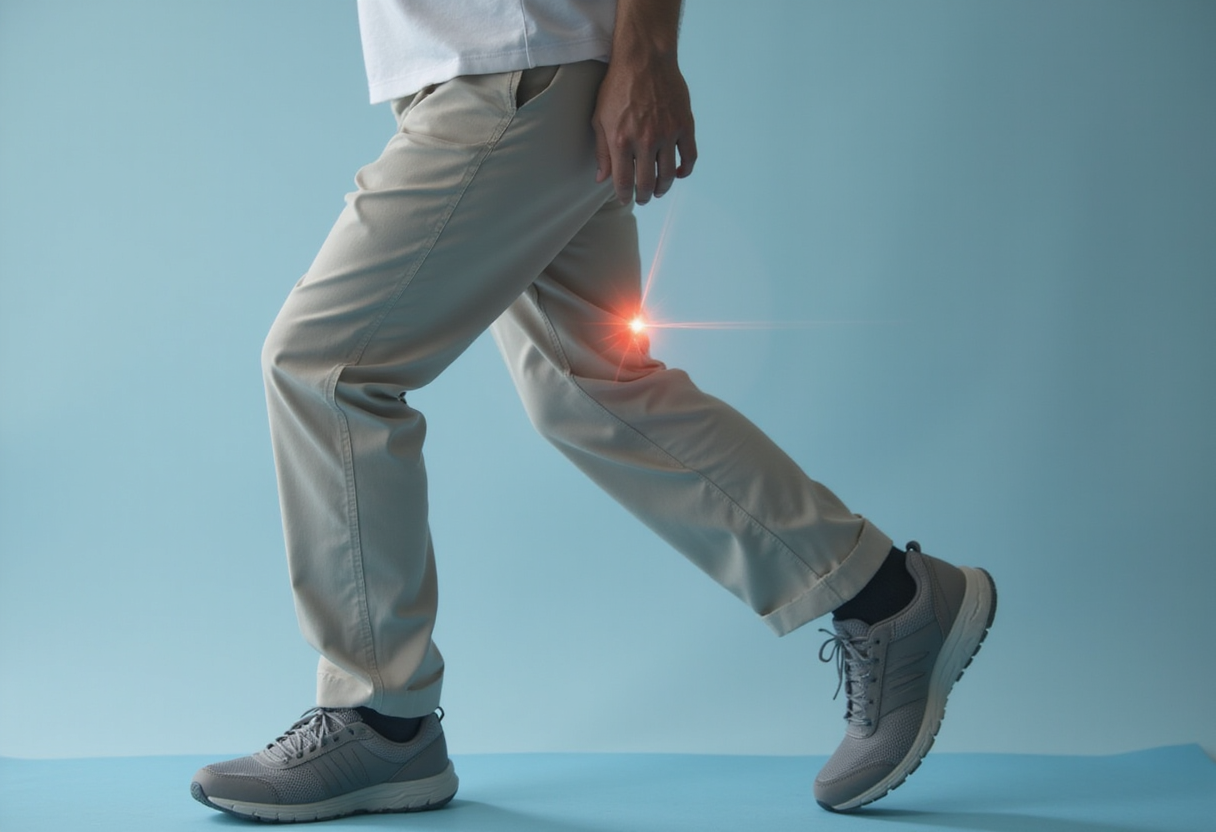
Researchers at Mass General Brigham have identified a biological mechanism that may explain why exercise protects joints in age-related osteoarthritis. Moderate-intensity exercise, they found, changes the molecular cargo of tiny particles released into the bloodstream — and one molecule in particular, called microRNA-29, improved the condition of aged cartilage cells and reduced signs of joint degeneration.
The study, published in Nature Aging on work led by Hirotaka Iijima, Ph.D., PT, and senior author Fabrisia Ambrosio, Ph.D., MPT, of the Discovery Center for Musculoskeletal Recovery within the Department of Physical Medicine and Rehabilitation at Mass General Brigham, could eventually inform new treatments that reproduce exercise's beneficial effects for patients who cannot exercise enough.
Why the mechanism matters
Osteoarthritis is one of the leading causes of pain, disability and loss of mobility among older adults worldwide. Doctors strongly recommend regular exercise for people with the condition, and studies show physical activity protects joint tissue. But until now, the biological explanation for that protection has remained incomplete.
Understanding it matters practically. Many patients face barriers to regular exercise because of pain, disability or other health limitations. If researchers can pinpoint the molecules that carry exercise's benefits, they may be able to develop therapies that deliver those benefits directly.
The research team focused on circulating extracellular vesicles, or EVs — nanoparticles that cells release into the bloodstream. These vesicles act as molecular couriers, carrying cargo such as genetic material between cells. The researchers asked two questions: does exercise change the cargo inside EVs, and can those changes directly improve cartilage health in aging and osteoarthritic joints?
How the study worked
The investigation combined several approaches: analyses of extracellular vesicles, cell culture experiments, mouse studies of aging-associated osteoarthritis, and a human exercise intervention.
In the human part of the study, older adults completed a structured aerobic exercise program. The researchers collected blood samples before the program began and again after three months of training. From these samples, they analyzed how aerobic exercise altered the molecular contents of circulating EVs, then tested the biological effects of these exercise-derived vesicles on cartilage cells and joint tissues in the laboratory. The team also identified and tested specific molecules that became enriched inside EVs after training.
Exercise reshapes the cargo
The results showed that moderate-intensity exercise significantly changed the molecular cargo of circulating EVs in ways that promoted cartilage health and tissue resilience. When researchers applied EVs collected after exercise to knee joint tissue in the lab, the vesicles improved the health of cells and cartilage tissue.
Among the molecular signals that increased after exercise, one stood out: microRNA-29. MicroRNAs are short stretches of genetic material that help regulate how genes are expressed inside cells. When the researchers delivered microRNA-29 directly to aged, osteoarthritic joints, the treatment restored more youthful characteristics in cartilage cells and reduced features associated with joint degeneration.
That result suggests microRNA-29 acts as a key mediator of exercise's protective effects on cartilage.
What comes next
The findings remain preliminary in several respects. The researchers demonstrated the effects in cell cultures, in mice, and in blood samples from older adults following a three-month exercise program — not yet in a clinical treatment tested on patients. How a therapy based on EVs or microRNA-29 would work in practice, at what dose, and for whom remains to be established.
Still, the discovery opens a path toward new osteoarthritis treatments, including therapies that use EVs or their molecular cargo directly. The researchers say such strategies could be especially valuable for people who cannot get sufficient physical activity because of pain, disability or other health limitations. The work also illustrates how regenerative medicine can be paired with traditional rehabilitation principles.
The team anticipates that this research will help guide the design of clinical programs aimed at maximizing the biological responses associated with joint protection and tissue health.
As physical therapists, Iijima and Ambrosio are driven by a simple but important question: why, and how, does exercise work? Much remains to be learned about why exercise ranks among the most effective treatments for a wide range of musculoskeletal conditions. This study represents one step forward in that effort.
Publication details: Hirotaka Iijima et al, "Exercise enhances aged chondrocyte health through microRNA-29-enriched extracellular vesicles," Nature Aging (2026). DOI: 10.1038/s43587-026-01225-9
via Medical Xpress (Source)
More from Priya Raman
Show full bio
Senior reporter covering industry trends and analytics at SciBeat.
57 articles
Nearby plates
- Long Spaceflights Tied to Higher Hip Fracture Rates in Astronauts
- Exercise Program Boosts Attention and May Slow Aging in Breast Cancer Survivors
- Where You Live May Speed Up How Fast Your Body Ages
- Scientists Find the Stem Cell That Builds Tendons and Ligaments
- Drug That Flips Cell 'Energy Saver' Switch Extends Animal Lifespans