Plate Nº 47 · recorded October 10, 2026
Biology & EvolutionReported finding
California rodenticide rules cut exposure in young owls by more than half
California's rodenticide restrictions cut anticoagulant exposure in young barred owls from roughly 50% to 20% in five years. But the largest study of its kind also flags cholecalciferol, a substitute toxin found in 18.5% of birds.
By Marcus Bennett4 min read810 words
In brief
- Liver tissue from 1,003 barred owls collected in northwestern California between 2019 and 2025 forms the largest rodenticide biomonitoring dataset for a single North American wildlife species.
- Exposure to second-generation anticoagulant rodenticides in young owls fell from about 50% in 2019 to about 20% in 2024, tracking the 2020 AB 1788 and 2024 AB 2552 restrictions.
- Cholecalciferol (vitamin D3) rodenticide appeared in 18.5% of sampled owls, with detections rising as anticoagulant exposure fell, suggesting product substitution.
- Overall, 46% of the sampled owls carried at least one rodenticide compound, with females and older adults showing the highest burdens.
- Published in Environmental Pollution, 2026; DOI: 10.1016/j.envpol.2026.129205.
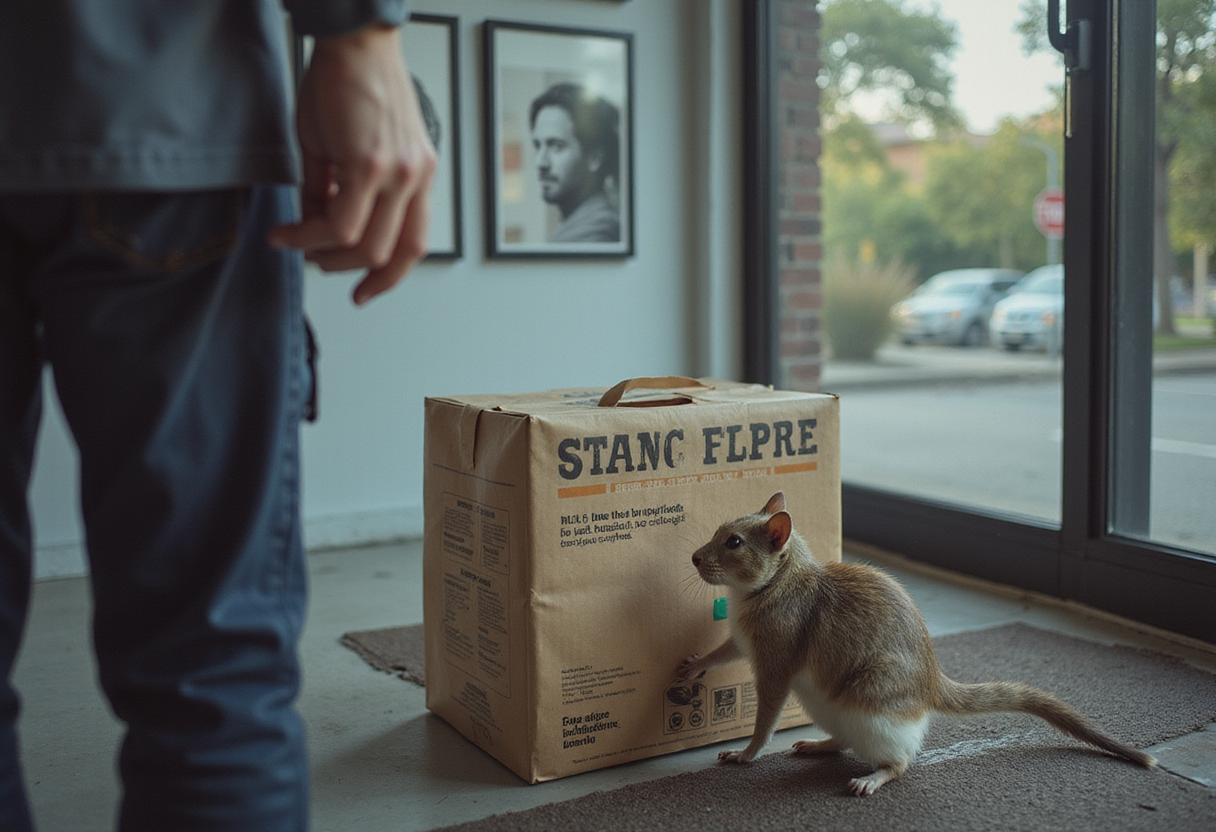
Among young barred owls in northwestern California, exposure to the deadliest class of rat poisons has fallen from roughly 50% of birds in 2019 to about 20% in 2024, according to the largest rodenticide biomonitoring dataset ever assembled for a single wildlife species in North America.
The findings, published in the journal Environmental Pollution, draw on liver tissue from 1,003 barred owls collected between 2019 and 2025 across the region's old-growth forests. Researchers at the Integral Ecology Research Center (IERC) say the data offer some of the clearest real-world evidence yet that California's rodenticide restrictions are working, while raising a fresh warning about a substitute toxin now spreading in the same woods.
How did researchers measure exposure?
Most rodenticide surveys analyze animals found dead or visibly sick, which skews results toward the worst cases. The IERC team instead sampled birds collected under a regional conservation program that removes barred owls from northern spotted owl habitat. Because the owls appeared healthy at capture, their livers reflect what is circulating in a typical wild population.
"Nearly all rodenticide surveys rely on animals that turned up sick or dead, so they tend to capture the worst cases," said Dr. Vitek Jirinec, lead author and a research scientist at IERC. "Our owls were apparently healthy birds going about their lives. That gives us a much truer picture of what's circulating in the population, and more confidence that the trends we see are real."
What is driving the decline?
Second-generation anticoagulant rodenticides stop blood from clotting. The compounds are highly toxic to owls and other predators that eat poisoned rodents. California moved to restrict them through the California Ecosystems Protection Act (AB 1788) in 2020, and in 2024 expanded those rules to older first-generation products under AB 2552.
The fall in young owls' exposure lines up with that policy timeline, suggesting the laws are reaching the field within just a few years. IERC has supplied much of the underlying science behind those regulations, then documented the payoff.
Dr. Greta M. Wengert, co-founder and co-director of IERC and the study's principal investigator, has tracked rodenticide contamination in the region for more than a decade. "We've watched illegal use and unregulated products drive rodenticide exposure in these forests for more than a decade," she said. "Seeing anticoagulant exposure actually decline within a few years of California's regulations taking effect is proof that policy, when it's grounded in good data from effective biomonitoring efforts, can improve outcomes for wildlife."
What is the new concern?
Alongside anticoagulants, the team screened for the first time in this species for cholecalciferol, the chemical name for vitamin D3, used at high doses as a rodenticide. It showed up in 18.5% of owls, and detections rose over the same years anticoagulant exposure was falling. The pattern points to product substitution: as regulated compounds become harder to buy, users appear to shift to other poisons.
Counting every rodenticide tested, 46% of the sampled owls carried at least one of these compounds in their bodies.
Which owls carry the heaviest loads?
- Female barred owls, who are the breeding-age adults a population depends on to sustain itself.
- Older birds of both sexes, where lifetime accumulation raises body burdens.
These groups showed the highest concentrations and the widest mix of compounds. Northern spotted owls, a closely related and federally threatened species, eat a higher proportion of rodents than barred owls do, so the same food-web contamination may carry an even heavier risk for them.
How does this fit with earlier warnings?
The new study extends IERC's long-running record in the region:
- A 2012 IERC study first tied widespread anticoagulant exposure in Pacific fishers to trespass cannabis cultivation on public lands.
- A 2018 IERC study found rodenticides in 70% of sampled northern spotted owls in the same forests.
Barred owls, spotted owls, fishers and other forest species feed from the same contaminated food web. The new dataset, more than ten times larger than the 2018 spotted owl work, gives that picture much sharper weight.
What still isn't resolved?
The exact source of the exposure that remains is unclear. California pesticide-use reports cover only licensed commercial applicators, not household purchases or illegal use. Trespass cannabis grows on public and tribal land, which IERC has linked to rodenticide contamination for years, are not tracked by any regulatory database. Legacy residues from past grows may also cycle through rodent prey long after cultivation stops.
Those hidden and historical sources likely explain a significant share of the contamination that persists as legal, regulated use declines.
The study is published as Vitek Jirinec et al, "Forest food web contamination by rodenticides is pervasive but responsive to regulation: Insights from Barred Owl biomonitoring," Environmental Pollution (2026), DOI: 10.1016/j.envpol.2026.129205.
via Phys.org Biology (Source)
More from Marcus Bennett
Nearby plates
- Why the Same Chemical Harms One Species and Spares Another
- Rattlesnake blood holds antivenom ten times stronger than current
- Flesh-eating screwworm resurfaces in Texas and New Mexico
- Tracking 4,581 Animals Reveals a Hidden Human Effect on Wildlife
- FDA Finds Cyclospora at Mexican Farm Behind Record Lettuce Outbreak