Plate Nº 98 · recorded November 16, 2026
Health & Medicine ResearchReported finding
Cannabis use linked to 29% higher acute coronary syndrome risk
A 2025 review of 24 studies linked cannabis use with higher cardiovascular risks, while a 4.6 million-person analysis found users under 50 more likely to have heart attacks and strokes.
By Priya Raman4 min read711 words
In brief
- 2025: A review of 24 studies found a 29% higher relative risk of acute coronary syndrome among cannabis users.
- 2025: The same review found a 20% higher relative risk of stroke and about twice the relative risk of cardiovascular death.
- 2025: A medical-record analysis of more than 4.6 million people found users under 50 more likely to experience heart attacks and strokes.
- An older claim that long-term cannabis use tripled the risk of death linked to high blood pressure was retracted after a statistical-analysis problem was found.
- Shortly after use, cannabis can change heart rate and blood pressure.
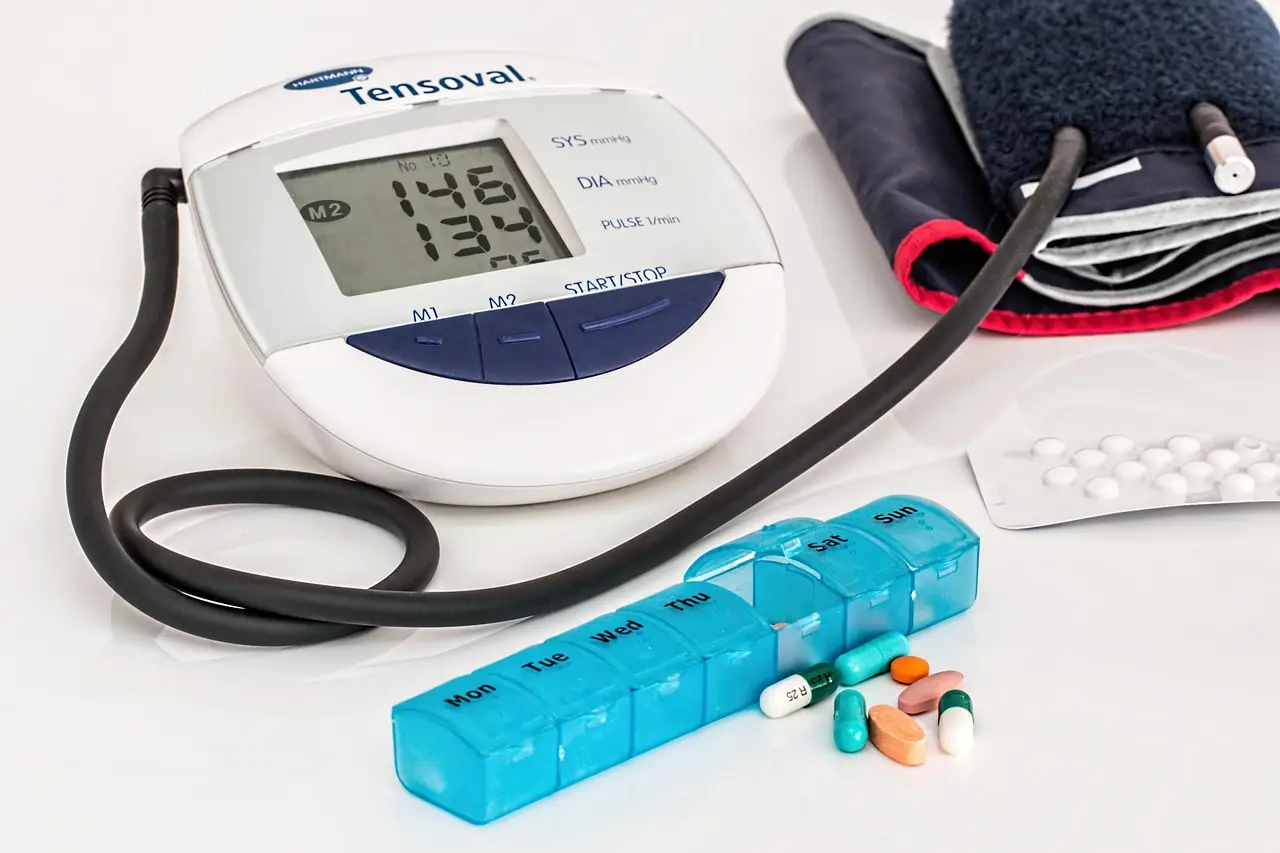
A 2025 review of 24 studies linked cannabis use to a 29% higher relative risk of acute coronary syndrome, which includes heart attacks and related emergencies.
Cardiovascular risk concerns the heart and blood vessels, while relative risk compares outcomes between groups. The association is serious but does not establish causation, and the reported size of the risk differs among studies.
What did the 2025 review find?
The review, published in the journal Heart, combined findings from 24 studies on cannabis use and cardiovascular health. Its main estimates were:
- Acute coronary syndrome: a 29% higher relative risk among cannabis users than among non-users.
- Stroke: a 20% higher relative risk among users than non-users.
- Death from cardiovascular causes: about twice the relative risk seen in non-users.
These estimates compare cannabis users with non-users. A 20% relative increase in stroke risk does not mean one in five users will have a stroke, and the figures do not show that every user faces the same danger. They also do not reveal whether cannabis caused any event or how much exposure contributed to the outcome.
The figures answer a group-level question: among the people studied, how much more often did these outcomes occur among users than non-users? They do not predict what will happen to a particular person after using cannabis.
The findings support a link between cannabis use and cardiovascular harm. They do not show whether cannabis directly caused the events, what exposure produced the association, or which people face the greatest danger.
What did the 4.6 million-person study show?
Another 2025 analysis used medical records from more than 4.6 million people. Among adults younger than 50, cannabis users were more likely to experience heart attacks and strokes than people who did not use cannabis.
The researchers tried to compare people with similar health backgrounds. Even so, medical-record research cannot fully account for every difference between groups, including cannabis dose, product strength, tobacco use and other substances. Residual differences could therefore influence the observed association.
The analysis focused on adults under 50, so it does not establish the same pattern for older adults.
How might cannabis affect the cardiovascular system?
Cannabis can change heart rate and blood pressure shortly after use. Researchers are investigating whether repeated exposure may also affect blood vessels and increase the chance of heart attacks or strokes. The recent studies point to an association, but they do not settle the biological mechanism, meaning the chain of events that could connect cannabis use to injury.
A short-term change in heart rate or blood pressure does not by itself prove that repeated exposure causes lasting blood-vessel damage. That distinction separates a known immediate effect from a mechanism still under study.
Cannabis products differ greatly in strength and in how people use them. Smoking can expose the lungs and blood vessels to harmful substances. These differences complicate any single estimate of risk and make clear why one result cannot describe every cannabis product or pattern of use.
Does the evidence establish that cannabis causes heart attacks and strokes?
The evidence base continues to grow, but its studies do not agree on one precise level of risk. Stronger studies that follow people over time are needed to establish cause and identify who is most vulnerable. Studies based on observation can detect patterns, but they cannot rule out every alternative explanation.
A correction is needed for an older, widely circulated claim that long-term cannabis use tripled the risk of death linked to high blood pressure. That study was later retracted after a problem with its statistical analysis (the calculations used to interpret the data) was identified. Its dramatic estimate should not be repeated as established fact.
What should people with cardiovascular risks do?
People with high blood pressure, heart rhythm problems or existing heart disease should discuss cannabis use with a healthcare professional. A doctor can help review possible risks, whether cannabis interacts with medicines, and safer ways to manage symptoms. For these groups, uncertainty about individual risk is a reason to seek individualized guidance, not to assume harmlessness.
The overall assessment offers a direct caution: “The safest conclusion is that cannabis should not be assumed harmless simply because it is increasingly available.”
via knowridge.com (Source)
More from Priya Raman
Show full bio
Senior reporter covering people, launches and day-to-day practice in general science news at SciBeat.
425 articles
Nearby plates
- Major Review Links Cannabis Use to Higher Violence Risk
- No Safe Sip: Major Study Finds Cancer Risk Starts at One Drink a Day
- Smoking Tied to 31% Higher Dementia Risk in Review of 2.8 Million People
- US Medical Cannabis Registrations Jumped 420% From 2016 to 2024
- Vaping, Smoking Tied to Higher Odds of Prediabetes in U.S. Survey