Plate Nº 58 · recorded November 12, 2026
Health & Medicine ResearchReported finding
Vaping, Smoking Tied to Higher Odds of Prediabetes in U.S. Survey
Smokers, vapers and dual users all reported higher odds of prediabetes in an analysis of 1.2 million U.S. survey responses. The link is real; the cause is not yet proven.
By Elena Vasquez3 min read651 words
In brief
- Analysis covered more than 1.2 million responses to a U.S. health survey.
- Dual users of cigarettes and e-cigarettes had about 28% higher odds of prediabetes.
- Smokers alone had about 15% higher odds; vapers alone about 7%.
- Findings appeared in AJPM Focus from University of Georgia researchers.
- Survey design means the study cannot establish cause or timing.
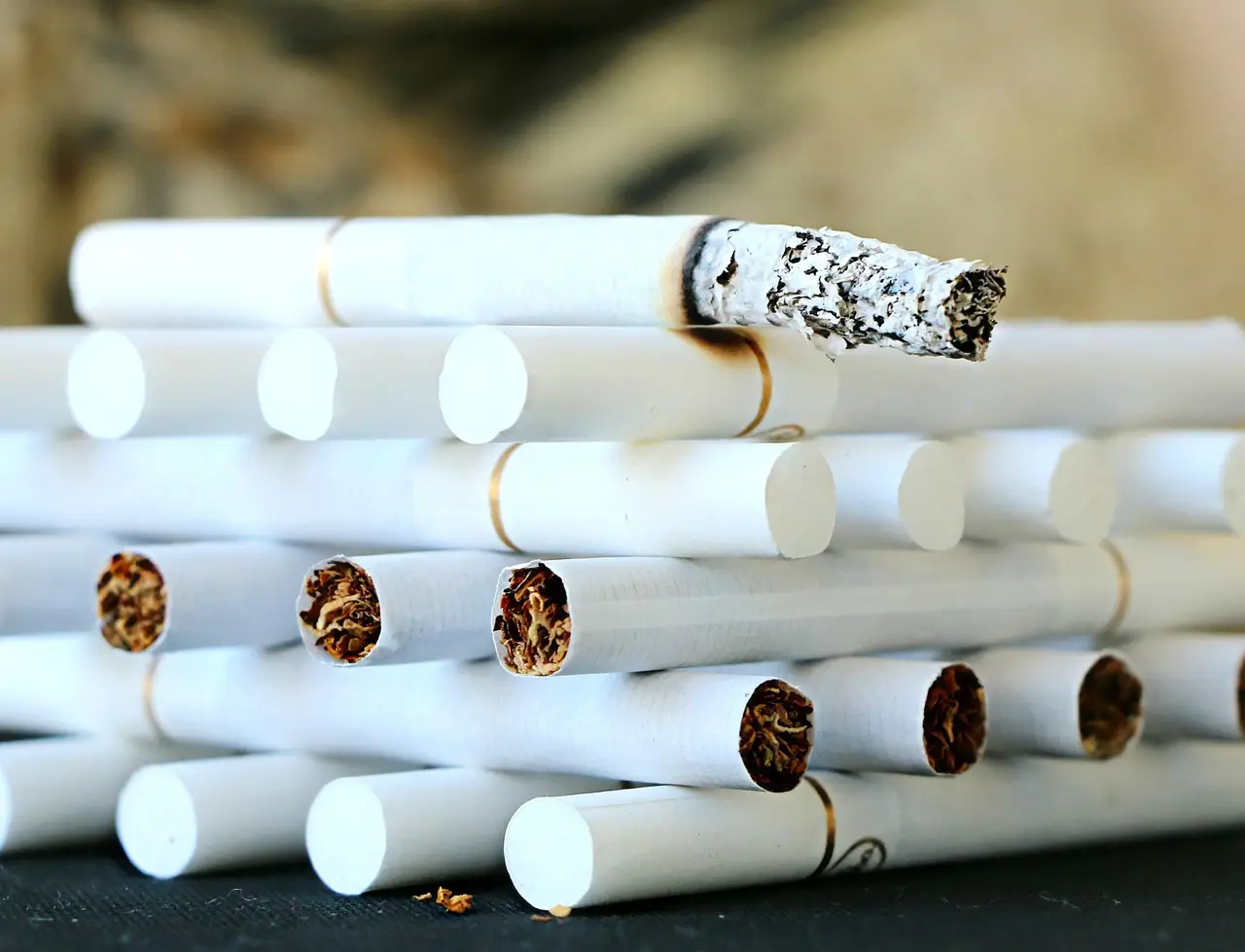
By Elena Vasquez, SciBeat
Adults who smoked, vaped or did both showed higher odds of diabetes and prediabetes in an analysis of more than 1.2 million U.S. survey responses. Among people who used both cigarettes and e-cigarettes, the odds of prediabetes ran about 28% higher than among nonusers.
The study, published in AJPM Focus, comes from researchers at the University of Georgia. They mined the Behavioral Risk Factor Surveillance System, a large ongoing U.S. health survey, and compared blood sugar outcomes across patterns of cigarette and e-cigarette use.
The headline numbers stack up like this:
- Adults who vaped had roughly 7% higher odds of prediabetes than nonusers.
- Cigarette smokers showed about 15% higher odds.
- People who did both faced about 28% higher odds.
Smoking carried the bigger signal. But the vaping figure matters, because it adds blood sugar to the list of health questions researchers are now asking about e-cigarettes, especially among people who also smoke.
What exactly is prediabetes?
Prediabetes means blood sugar sits above the usual range but below the threshold for diabetes. Researchers study it alongside diagnosed diabetes for a simple reason: blood sugar can be going wrong long before a person feels anything or gets a test. It's an early warning light on the dashboard.
That's why the Georgia team looked at both conditions, not just diagnosed diabetes. Takeaway: blood sugar trouble often starts quietly, so survey data on prediabetes can catch what diagnoses miss.
Does vaping work the same way as smoking?
Not exactly, and the distinction matters. E-cigarettes do not burn tobacco. But many deliver nicotine, and vapers differ widely — in how often they puff, what devices and liquids they use, and whether they smoked cigarettes before.
The analysis also found that associations varied across demographic groups. Those differences can reflect many things at once: how much tobacco exposure people had, their access to medical care, and how often doctors screen them for diabetes in the first place.
One more wrinkle: physical activity tracked with lower odds of prediabetes among smokers. Exercise looks protective here. But the study can't say how much activity actually changes the risk tied to smoking or vaping.
Takeaway: vaping is not just "smoking lite" — it delivers nicotine differently, and its users differ in ways researchers are still untangling.
What can't this study tell us?
Plenty, and the researchers are upfront about it. The data came from a survey, so it can't establish what happened first. Someone might switch from cigarettes to vaping after a diabetes diagnosis. Another might rack up years of nicotine exposure before anyone checks their blood sugar.
The results also hinge on memory and awareness. People may misremember their tobacco use. Some with elevated blood sugar may simply not know it yet, going undiagnosed. And a survey answer can't measure how much nicotine a person actually absorbed over the years.
Takeaway: this study shows a link, not a cause — the sequence of events stays unclear.
What comes next?
A follow-up study could test blood sugar directly and track when people start, stop or switch products. That design would help separate the effect of long-term vaping from earlier cigarette use, and from other habits that shape blood sugar.
The question is sharpest for younger adults. They may have decades of vaping ahead of them before any longer-term effects become clear. Studying people over time will be key to two open questions: whether vaping independently contributes to diabetes, and whether using both products carries a different risk than either one alone.
Takeaway: the real answer on vaping and diabetes will come from tracking people over years, not asking them once.
The findings are preliminary in the causal sense — a strong pattern in a huge dataset, but still a pattern. For now, they give smokers, vapers and their doctors one more number worth watching.
via knowridge.com (Source)
More from Elena Vasquez
Show full bio
Correspondent covering money, funding and market shifts around general science news at SciBeat.
384 articles
Nearby plates
- Diet and Exercise Reverse Early-Onset Type 2 Diabetes in Half of Cases
- Smoking Tied to 31% Higher Dementia Risk in Review of 2.8 Million People
- Red Meat Sugar Linked to 63% Higher Type 2 Diabetes Risk
- Strict blood sugar targets may quietly erode daily well-being
- Coffee May Lower Diabetes Risk While Caffeine Raises Blood Sugar