Plate Nº 15 · recorded November 9, 2026
Science Policy & FundingReported finding
COP17 Delivers $2 Billion in New Funding to Reverse Nature Loss
Nations at UN Biodiversity COP17 announced almost $2 billion in new funding, with the UK pledging £38 million toward reversing nature loss by 2030.
By Marcus Bennett3 min read521 words
In brief
- Almost $2 billion (£1.5 billion) in new biodiversity funding was announced at COP17
- The UK pledged £28 million to help countries integrate nature into economic decision-making
- A further £10 million will fund biodiversity research in the Amazon, Congo Basin and Coral Triangle
- Parties agreed a roadmap toward 2030 covering subsidies, developing-country support, implementation and monitoring
- Nature Minister Jenny Riddell-Carpenter said 'the real test will be the action and delivery that now follows'
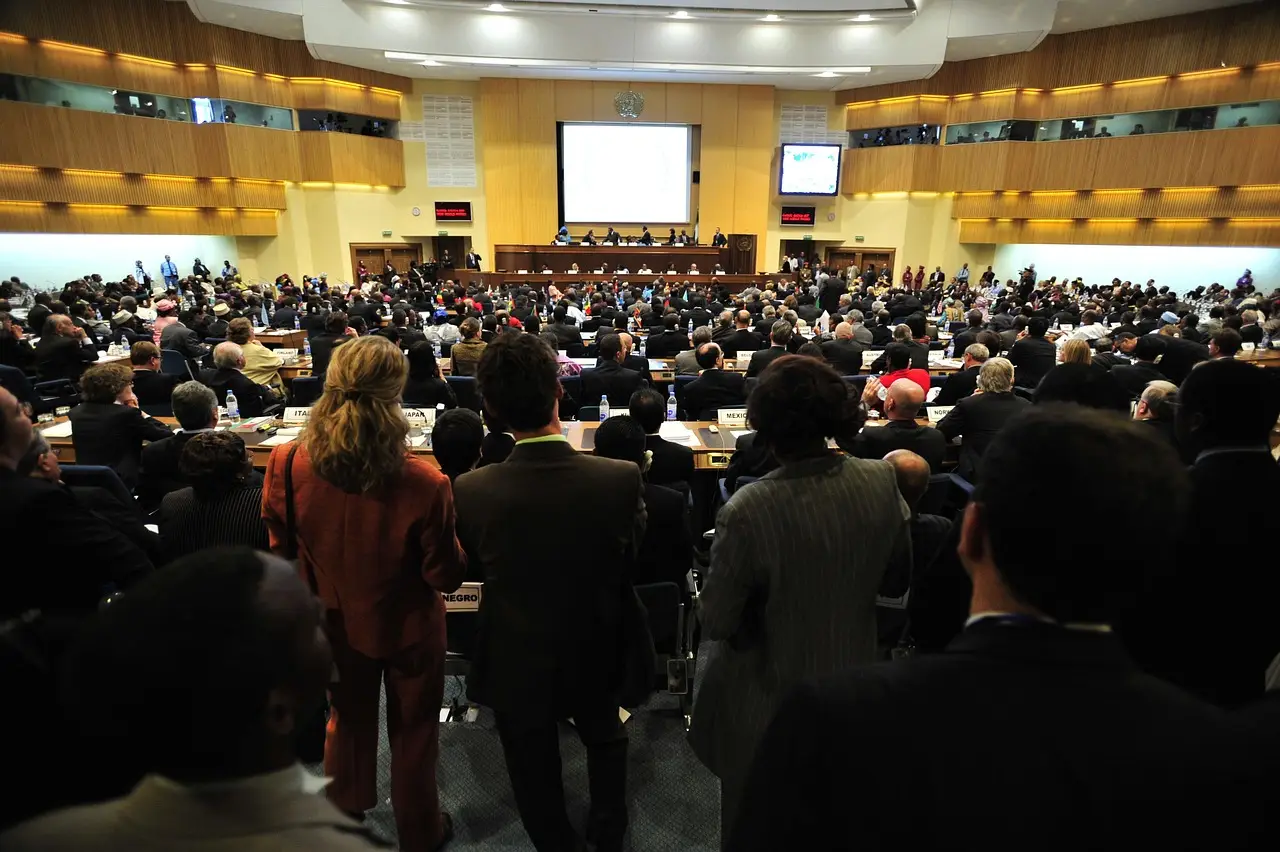
Almost $2 billion (£1.5 billion) in new biodiversity funding was announced by countries globally at UN Biodiversity COP17, where the UK renewed its call for the international community to step up action to reverse the decline of nature.
Negotiators at the summit secured what parties described as the critical package of decisions needed to maintain international momentum toward 2030. The agreement includes a new roadmap designed to accelerate urgent action on several fronts.
What does the new roadmap cover?
Ministers negotiated commitments across four main areas:
- Tackling nature-harmful subsidies and incentives — government payments that currently work against biodiversity
- Increasing support for developing countries
- Strengthening implementation of existing agreements
- Increasing monitoring of progress
Delegates also reached a separate agreement on resource mobilisation, recognising the need to grow finance from both public and private sources.
In plain terms: governments have agreed both on what to fix and on how to pay for it, at least on paper.
What did the UK contribute?
The UK announced £28 million of continued funding to help countries integrate nature into economic decision-making and attract more nature-positive investment — investment that aims to improve, rather than degrade, ecosystems.
A further £10 million will fund research tackling the causes of biodiversity loss in three of the world's most important natural regions: the Amazon, the Congo Basin and the Coral Triangle. That research programme is also intended to support climate resilience and reduce poverty in those regions.
Nature Minister Jenny Riddell-Carpenter framed the outcome in cautious terms. "Nature underpins our economy and food security while supporting our health and wellbeing, and it is positive that progress has been made at COP17," she said.
"The real test will be the action and delivery that now follows. This government will continue ramping up efforts to halt and reverse biodiversity loss, both at home and around the world."
Her second sentence carries the weight of the story: agreements at COP17 set direction, but delivery decides outcomes.
Why the subsidies issue matters
Among the roadmap's commitments, the pledge to tackle nature-harmful subsidies and incentives stands out. These are government payments — for example in agriculture, energy or fisheries — that encourage activities damaging to ecosystems. Redirecting them is widely viewed as one of the fastest levers for reducing pressure on nature, because the money already exists and simply flows in the wrong direction.
The resource mobilisation agreement adds a second financial lever. By committing to increase finance from public and private sources alike, parties have signalled that government budgets alone will not carry the 2030 agenda.
What happens next?
The combined announcements — nearly $2 billion in fresh funding globally, a £38 million UK contribution across two programmes, and a negotiated roadmap through 2030 — give the biodiversity agenda its most concrete financial backing since the targets were set.
Whether that translates into measurable recovery of species and ecosystems depends on the delivery Riddell-Carpenter pointed to. The 2030 deadline now sits within a single planning cycle for most governments.
The money is on the table; the monitoring and implementation commitments agreed at COP17 will determine whether it moves fast enough.
via energylivenews.com (Source)
More from Marcus Bennett
Show full bio
News editor covering regulation, policy and their impact on general science news at SciBeat.
370 articles
Nearby plates
- Six Metrics Could Turn Reef Restoration Into Bankable Investment
- UK Pledges £86 Billion for Science and Tech — But Where's the Detail?
- UK commits £54 million to biosecurity, AMR and animal vaccines
- NSF Plans Cuts to Core Science Programmes for White House Initiative
- Scientists Raise Alarm Over £162m Research Funding Cuts