Recorded November 22, 2026
Science Policy & FundingReported finding
COP31 Draft Deal Drops All Mention of Fossil Fuels
The COP31 summit in Antalya risks overtime after Australia's latest draft cut all mention of oil, gas and coal. France calls it a "black mark" as money and science fights persist.
By Nathan Brooks3 min read644 words
In brief
- The latest COP31 draft, released Thursday by co-host Australia, omits all mention of oil, gas and coal.
- Nearly 200 countries have negotiated for two weeks in Antalya, Turkey, with talks poised to extend into the weekend.
- Turkey proposes raising electricity's share of global final energy demand to 35% by 2035.
- The draft drops a $120 billion adaptation finance goal sought by developing nations, keeping only talks on 'tripling' finance by 2035.
- At COP28 in Dubai in 2023, nations agreed to transition away from fossil fuels without setting targets or timelines.
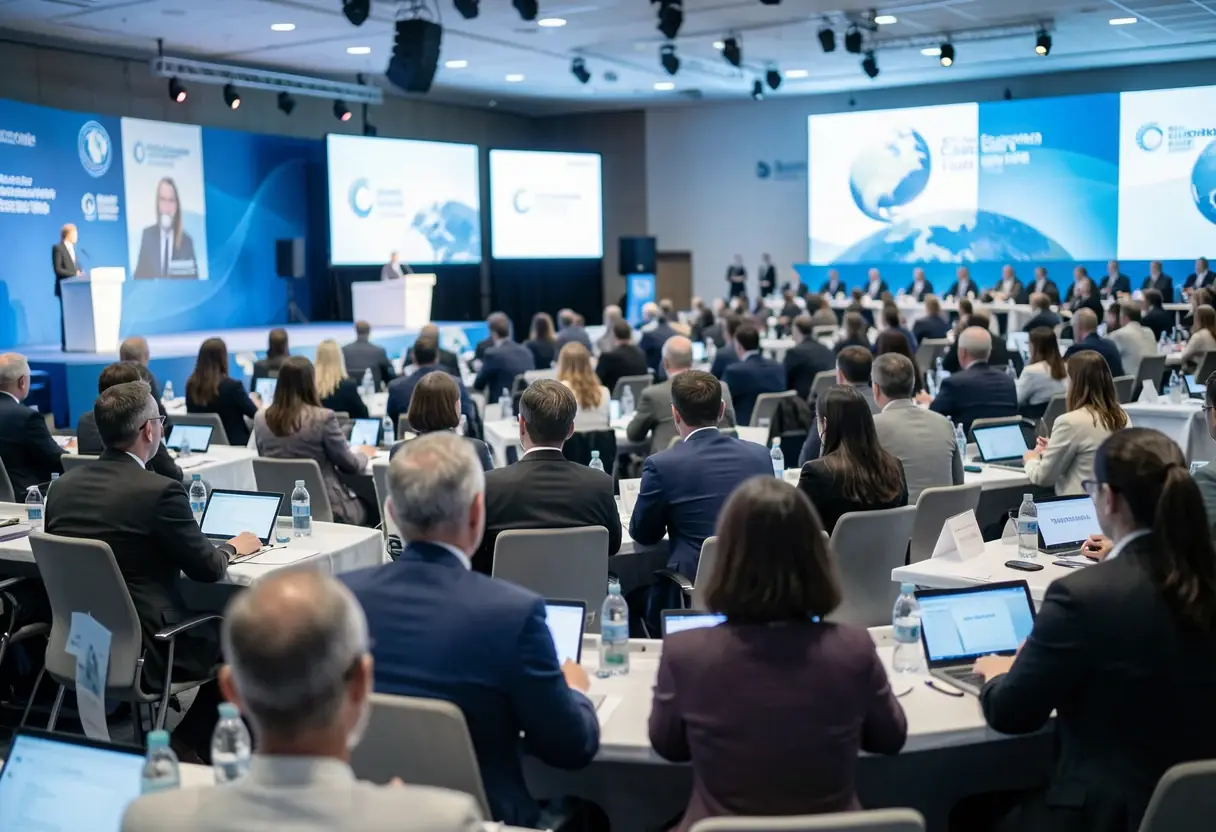
The COP31 climate talks entered their endgame Friday with no deal in sight — and the latest draft text contains zero mentions of oil, gas or coal, the main drivers of climate change. Negotiators from nearly 200 countries were still scrambling to bridge deep divisions after two weeks of talks in Antalya, on Turkey's Mediterranean coast. The summit now looks set to spill into the weekend.
The omission matters. At COP28 in Dubai in 2023, nations agreed to transition away from fossil fuels — without targets or timelines — and oil-producing countries have fiercely resisted every attempt to put the issue back on the table. Last year's summit in Brazil ended without any mention of fossil fuels, pushing countries to pursue their own coal, oil and gas phase-outs outside the UN process.
An earlier draft this week included calls to accelerate the phase-out. Then co-host Australia released a new version Thursday that cut the language entirely. French Ecological Transition Minister Monique Barbut called the absence a "black mark." Australian Climate Minister Chris Bowen, who is steering the negotiations, told reporters: "We will be consulting and negotiating until it is very clear to us that we have a consensus."
The backdrop is rough. Heat waves in Europe, devastating floods in Nepal and a record-breaking El Niño have all underscored the urgency of climate action during the talks. The war in Iran and the resulting oil price shock have added another layer of complexity, sharpening divisions over energy security.
Who is blocking progress?
Rachel Cleetus, climate program director at the Union of Concerned Scientists, was blunt: "Countries beholden to fossil fuel interests are blocking progress on a fast, fair transition away from fossil fuels." Her organization is one of the loudest critics of the draft's direction.
Host Turkey has pushed an alternative track: a voluntary pledge to raise the global share of final energy demand met by electricity to 35% by 2035. The draft nods to the initiative, saying electrifying the global economy could deliver "significant benefits" for energy security and for cutting greenhouse gas emissions.
But several countries worry the text doesn't explicitly require that the extra electricity come from clean sources rather than coal or gas. "We are going to fight for clean electrification," Barbut said.
Why is carbon capture controversial?
The draft also welcomes efforts to ramp up carbon capture, utilization and storage — technology that traps CO2 emissions before they reach the atmosphere. Critics see it as an expensive distraction from cutting pollution outright. Vanuatu's Climate Minister Ralph Regenvanu told AFP the technology "had been singled out for special attention that it doesn't deserve" in the latest text.
What about the climate science fight?
A separate dispute has flared over the timing of the next reports by the UN's Intergovernmental Panel on Climate Change, the body that synthesizes climate science for policymakers. Dozens of countries want the IPCC's next assessments available before a global review of carbon-cutting efforts in 2028. A smaller group, including Saudi Arabia and India, wants them postponed until 2029. The latest text underscores the "importance" of the IPCC without settling the schedule.
The draft does express "deep concern" about the imminent breach of the 1.5C temperature goal set under the 2015 Paris accord — the threshold scientists say limits the worst impacts of warming.
Will the money question get resolved?
Probably not this week. Rich nations have resisted calls to increase support for countries struggling to adapt to climate change, citing budget constraints and insisting that big emerging economies such as China chip in too. The draft proposes further discussions toward "tripling" adaptation finance by 2035 — but drops the $120 billion goal developing nations had been seeking.
That leaves three unresolved fronts heading into overtime: fossil fuels, science timelines and money. Each one has derailed a summit before.
via phys.org/rss-feed/ (Source)
More from Nathan Brooks
Show full bio
Market editor covering companies, deals and strategy in general science news at SciBeat.
563 articles
Nearby plates
- COP31 Collapses Without Deal as 30 Countries Pursue Fossil Fuel Treaty
- Ministers Press Türkiye and Australia to Advance Fossil Fuel Exit Roadmap
- COP31 opens with climate finance clash and muted outlook
- COP31 Collapses in Antalya as Nations Reject Fossil Fuel Language
- COP31 Ends With No Climate Deal After Fossil Fuel Deadlock