Recorded November 20, 2026
Science Policy & FundingReported finding
Ofgem Launches Urgent Inquiry as Grid Queue Reforms Push Projects Back
Ofgem admits most projects in the reformed grid connection queue now face later dates, as it launches an inquiry into NESO and network companies, with compensation and penalties on the table.
By Priya Raman3 min read668 words
In brief
- Most projects in the reformed grid connection queue have received later connection dates than before the overhaul, Ofgem has admitted.
- Ofgem is demanding explanations from NESO and network companies, with an Infrastructure Progress Report due in February.
- A consultation on a new connections incentive under the next RIIO price control is planned for December.
- Demand for connections — generation, storage and demand combined — is doubling every few years, according to Ofgem.
- Stronger automatic compensation for network-caused delays is under consideration.
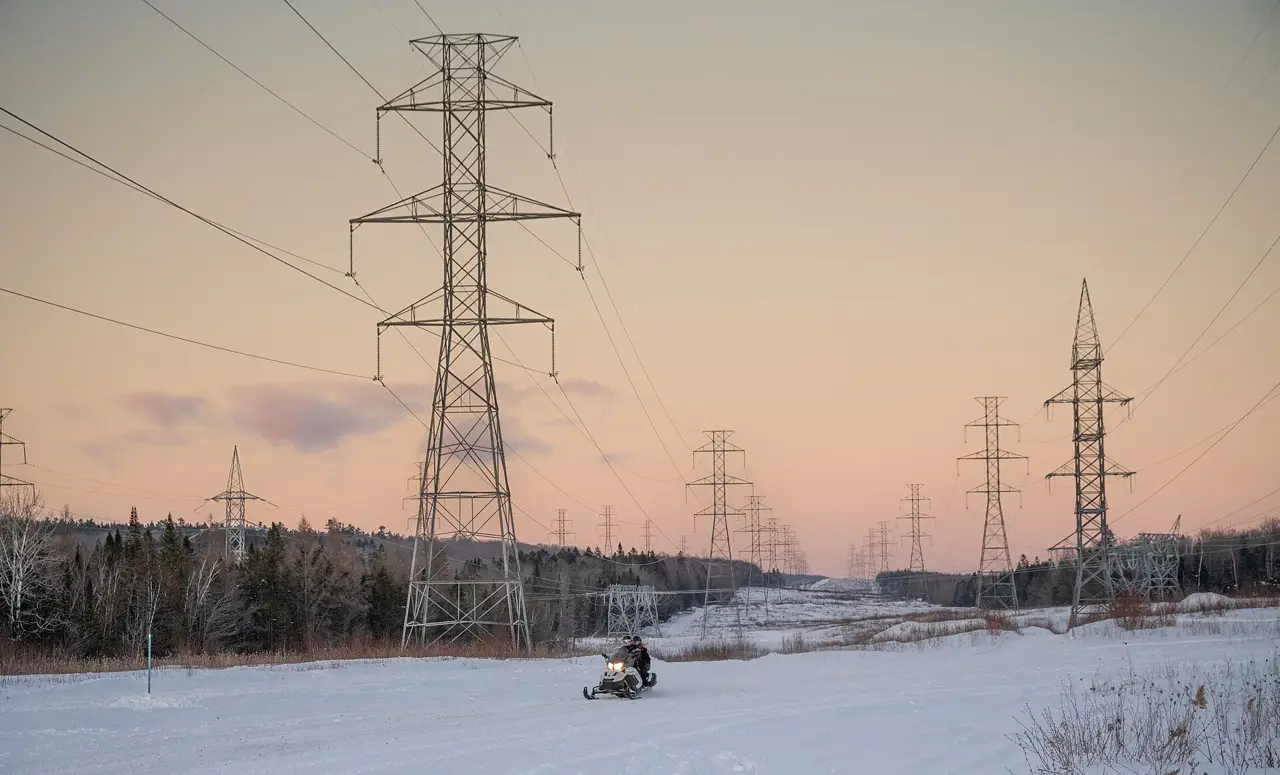
Most projects in Britain's newly reformed grid connection queue have been given later connection dates than they held before the overhaul — the exact outcome the reforms were designed to avoid. Energy regulator Ofgem has admitted the slippage and launched an urgent investigation into why it happened.
The admission lands at the heart of one of the country's most consequential infrastructure bottlenecks. Developers of solar farms, batteries, data centres and industrial sites anchor their investment decisions to connection dates. When a grid date slips by several years, financing costs rise, revenues shift further away, and contracts covering land, planning and supply chains come under strain.
What went wrong with the queue reforms?
The connection queue — the waiting list of projects seeking to plug into the electricity network — had grown to several times the capacity Britain is ever likely to need. Viable schemes sat behind speculative projects with little realistic prospect of being built. The reforms removed large amounts of that speculative capacity and, in Ofgem's words, created a more credible pipeline of projects.
But clearing the queue of schemes deemed speculative, unready or unlikely to proceed has not brought ready projects forward. Instead, many developers are receiving revised offers with dates later than the ones they held before the changes. Some schemes, Ofgem says, have moved backwards materially.
The inquiry will focus on protected projects and those processed in Phase One of the reform programme. Ofgem wants NESO (the National Energy System Operator, which runs Britain's electricity system planning) and the network companies to explain what has happened, whether delays differ between regions, and what can be done to accelerate projects that are ready to build.
What is Ofgem demanding now?
The regulator is pressing for far more information about how revised connection offers have been calculated and why dates have changed. Its demands include:
- NESO must publish more detail on the assumptions used in planning the network.
- Connections data will be updated more openly as new offers are issued.
- Developers should be able to see the physical works required for their projects and understand why those works affect the date they can connect.
Ofgem is also tightening scrutiny of the queue itself. Projects that fail to make sufficient progress will face greater examination, an attempt to stop the list filling up again — particularly in heavily oversubscribed areas such as battery storage and data centres.
Could network companies pay for delays?
When a delay stems from the network rather than the developer, Ofgem is considering stronger automatic compensation for customers whose connections are held up. The regulator says it sees no reason why such provisions could not already be written into connection agreements.
Financial penalties are also on the table. Under the next RIIO price control (the framework that sets what network companies can charge customers and earn in return), Ofgem plans to consult in December on a new connections incentive that would reward good performance and penalise poor delivery.
The regulator has gone further still, warning that if the inquiry uncovers a material breach of licence obligations by NESO or any network company, it will consider enforcement action.
Genuine constraints or a new problem in disguise?
Ofgem acknowledges the scale of the underlying pressure: the amount of generation, storage and demand seeking to connect is doubling every few years, and network construction cannot keep pace without a significant increase in delivery.
That admission frames the central question the inquiry must now answer. The revised dates may reflect genuine physical constraints on the network — cables, substations and reinforcement works that simply cannot be built faster. Or poor planning and delivery by NESO and the transmission companies may have replaced one connections problem with another.
The first detailed picture of what has happened will arrive in Ofgem's Infrastructure Progress Report in February. Developers waiting on slipped dates, and the network companies that serve them, will learn then whether the reform of the queue was a delay in itself or the ground work for faster connections.
via energylivenews.com (Source)
More from Priya Raman
Show full bio
Senior reporter covering people, launches and day-to-day practice in general science news at SciBeat.
549 articles
Nearby plates
- UK Electrification Roadmap: £1.2 Billion Grid Deals and 52% Renewables Lead the Push
- Ministers Set £1 Notional Budget for Renewables Auction AR8
- Plan to Overhaul Green Power Contracts Could Save £9.2bn by 2036
- UK's World-Leading Science Facilities Face £162m Funding Crisis
- COP31 Package: 150+ Countries Back Electrification Push Worth Billions