Recorded November 20, 2026
Science Policy & FundingReported finding
Ministers Set £1 Notional Budget for Renewables Auction AR8
AR8 opens with a notional £1 budget because ministers will see all wind and solar bid prices before setting the real pot, after a record round beat new gas by 40%.
By Marcus Bennett3 min read668 words
In brief
- AR8 opens with a notional budget of £1; the final budget is set only after all bids are submitted and prices are visible to ministers.
- The previous offshore wind round secured a record volume at a price 40% cheaper than building and operating new gas power plants.
- Previous auction rounds have delivered 24GW of offshore wind capacity since the scheme began.
- Energy Minister Michael Shanks said approved clean power now covers the equivalent of more than 20 million homes, with over £110 billion of private investment unlocked.
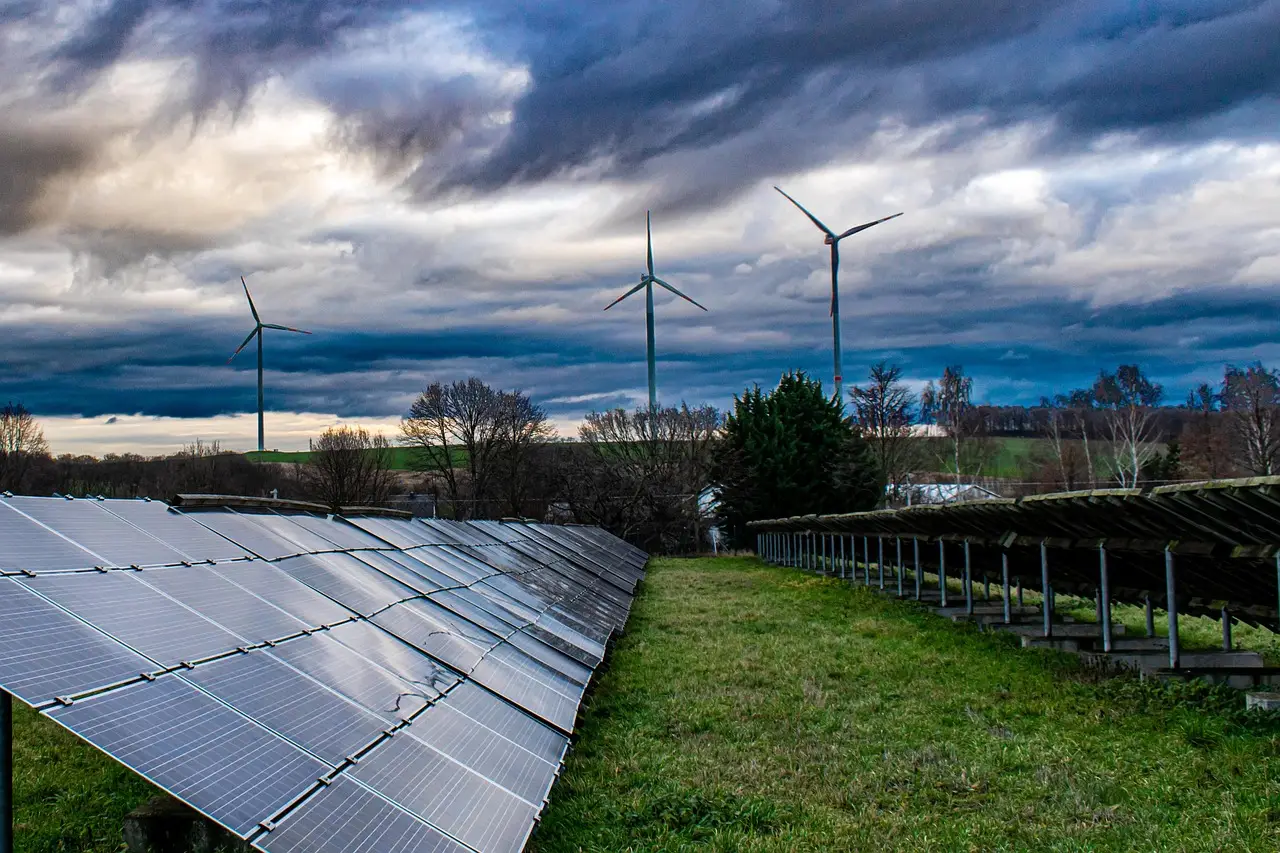
The government has set an initial budget of just £1 for its next renewables auction, a figure it calls notional because ministers will now see every bid price before committing real money to the scheme.
Allocation Round 8 (AR8) continues Labour's drive toward clean power and net zero. The government says the redesigned process will keep clean energy pushing household bills down by making bidding transparent and competitive — and by delaying the budget decision until all prices are on the table.
What changes in the auction process?
The Contracts for Difference scheme, the auction mechanism through which Britain buys renewable electricity, has historically worked with a fixed budget set before developers submit their bids. AR8 breaks with that sequence in three ways:
- The opening budget is a placeholder of £1, not a real ceiling.
- Bids for all wind and solar technologies are submitted first, with prices fully visible to ministers.
- Only after reviewing those prices does the government confirm a final budget and choose which projects to procure.
The government argues that this order of operations gives it leverage: knowing what every project costs before deciding how much to spend should, in theory, secure more capacity for less money. For developers, it changes the calculus too — pricing aggressively now matters more, because ministers can compare every offer directly before the pot is fixed.
Takeaway: developers will bid against a government that already knows the market price of every project on the table.
Why does the government believe it will work?
The new approach builds on the previous auction round for offshore wind, which delivered a record volume of capacity at a price 40% cheaper than the alternative of building and operating new gas-fired power plants. In plain terms, the government paid substantially less per unit of electricity than it would have paid for equivalent generation from new gas.
Officials frame AR8 as an "evolution in how clean power is delivered" rather than a rupture. Since the auction scheme began, previous rounds have secured 24GW of offshore wind capacity — enough to anchor the UK's expanding clean-power fleet.
Labour also ties the auction to the wider energy picture. After a year of instability in the Middle East, alongside heatwaves and wildfires, the party says the need for renewables to underpin energy security has "never been clearer". The argument runs: homegrown wind and solar reduce exposure to volatile imported fossil fuels, and the auction is the instrument that keeps that transition affordable.
What does the energy minister say?
Energy Minister Michael Shanks said: "Delivering clean, homegrown power is the route to lower bills, greater energy security and new investment across the country. We've already approved enough clean power to power the equivalent of more than 20 million homes and unlocked over £110 billion of private investment."
He added: "These reforms build on that progress by making the auction process more transparent and competitive, so we secure the best projects at the best price for consumers while accelerating the transition to clean power."
The numbers he cites — 20 million homes' worth of approved clean power and more than £110 billion in unlocked private investment — form the baseline the government says AR8 must now extend.
Takeaway: ministers are betting that transparency, not a bigger upfront budget, is what delivers cheap capacity.
How solid are the claims?
The figures deserve context. The 40% cost advantage over new gas refers specifically to the previous offshore wind round, not to AR8, which has not yet run. The £1 budget is procedural, not a spending cut — but it also means the true size of this round remains unknown until bids land and ministers set the final figure. Whether the visible-pricing model produces better value than a conventional fixed-budget auction will only become clear when the results are published.
What is certain is the direction: 24GW of offshore wind already secured, a record-cheap prior round, and now an auction designed to squeeze prices further before a single pound is committed.
via energylivenews.com (Source)
More from Marcus Bennett
Show full bio
News editor covering regulation, policy and their impact on general science news at SciBeat.
584 articles
Nearby plates
- Plan to Overhaul Green Power Contracts Could Save £9.2bn by 2036
- Ofgem Launches Urgent Inquiry as Grid Queue Reforms Push Projects Back
- UK Grid Balancing Costs Climb 16% to £3.1 Billion
- UK Electrification Roadmap: £1.2 Billion Grid Deals and 52% Renewables Lead the Push
- COP31 Week Two Opens With Finance and Fossil Fuel Deadlocks Unresolved