Plate Nº 12 · recorded November 13, 2026
Science Policy & FundingReported finding
UK Electrification Roadmap: £1.2 Billion Grid Deals and 52% Renewables Lead the Push
Labour's electrification roadmap banks on a record 52.1% renewables share, £1.2 billion in grid contracts and up to £260 a year in household savings. Here's what it delivers.
By Nathan Brooks3 min read678 words
In brief
- Renewables supplied a record 52.1% of UK electricity in 2025; demand is expected to more than double by 2050.
- National Grid has confirmed £1.2 billion of contracts to upgrade 1,000km of transmission lines.
- From April 2026, an average of £150 was removed from household energy bills and VAT on electricity was scrapped.
- The Warm Homes Plan targets 450,000 heat pump installations annually by 2030.
- The Clean Energy Industries Sector Plan aims to lift investment above £30 billion a year by 2035.
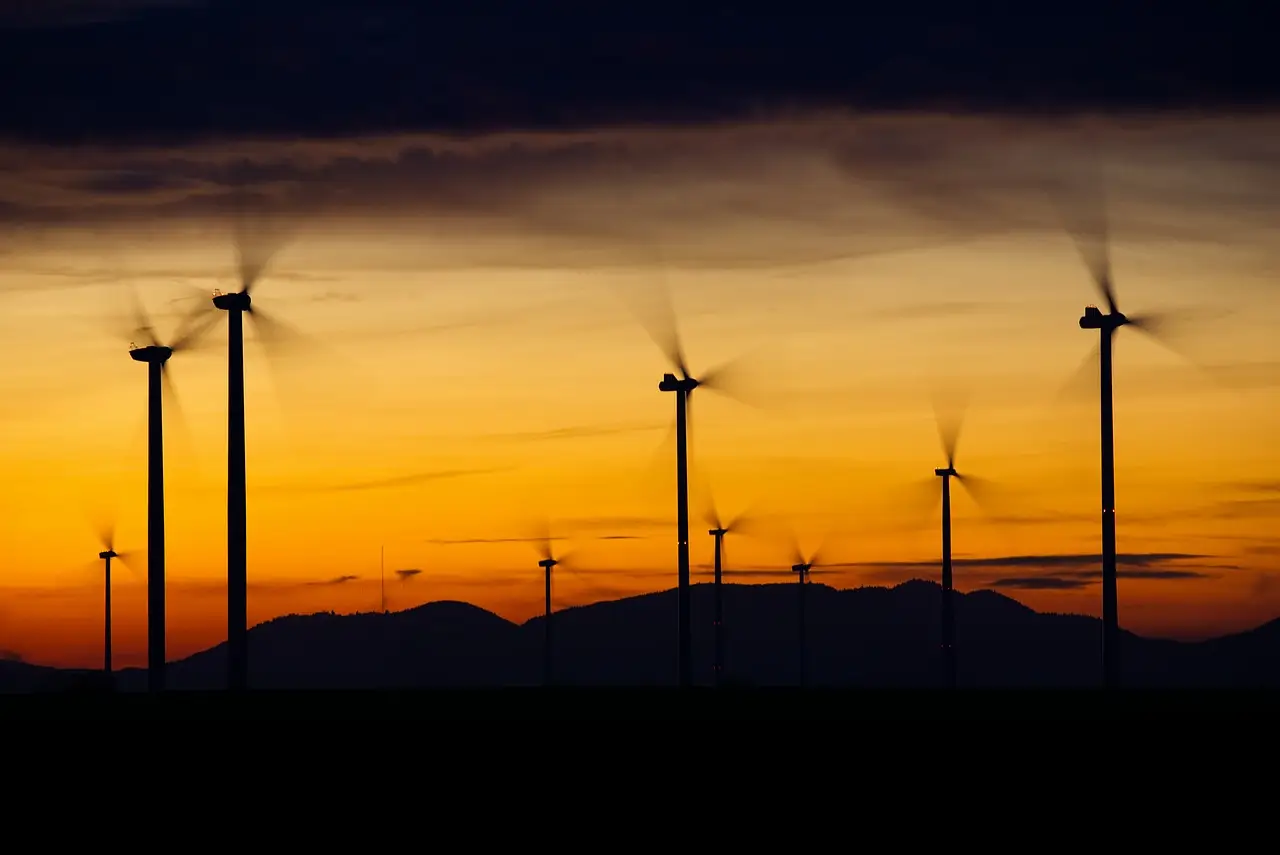
Renewables hit a record 52.1% of UK electricity generation in 2025, and the government now expects electricity demand to more than double by 2050. That pair of numbers frames the clean electrification roadmap Labour has just published, which sets out how homes, transport and industry will shift away from fossil fuels and onto clean power.
The document landed alongside Prime Minister Andy Burnham's speech at COP31 in Turkey on 12 November. It treats the doubling of demand not as a threat but as a scheduling problem: connect clean generation faster, and make sure the wires can carry it.
What is the grid getting?
National Grid has confirmed £1.2 billion of contracts to upgrade 1,000km of transmission lines. That's roughly the distance from London to Prague in new or improved high-voltage capacity.
A technology called Dynamic Line Ratings is also being deployed across 900km of the network. In plain terms, it lets lines carry more power when weather conditions — mainly wind and temperature — allow it, instead of relying on fixed, worst-case limits. The latest rollout is expected to save consumers up to £50 million over five years, about £10 million a year.
The government also wants to expand clean flexibility capacity — storage and demand-shifting that balance the grid when the sun isn't shining — to between 51GW and 66GW by 2030.
How does the plan cut household bills?
A big share of the roadmap deals with affordability, and much of it has already started. From April 2026, an average of £150 came off household energy bills, with most of those costs shifted from electricity bills onto general taxation. VAT on electricity bills was removed too, and that cut is set to be extended.
Two further schemes target homes directly:
- Warm Homes Plan: aims to deliver 450,000 heat pump installations every year by 2030.
- Warm Homes Loan Scheme, introduced in August 2026, could cover 20% of an average household's electricity use and save up to £110 per year.
Put together, a typical household could see the £150 bill reduction plus up to £110 in annual loan-scheme savings — close to £260 a year before any VAT benefit is counted.
What's in it for drivers?
Labour identifies electric vehicles as a major opportunity. The Electric Car Grant offers up to £3,750 off eligible new electric cars. Transport electrification, the roadmap argues, turns a running-cost problem — petrol and diesel — into an electricity-demand opportunity the grid can plan for.
How does industry fit in?
Energy-intensive businesses get their own lever. The British Industry Supercharger provides eligible firms with up to £78/MWh off their electricity bills. For context, wholesale power prices have often run well above that level, so the discount materially changes the economics of electrifying industrial heat and processes.
A similar scheme is expected to cut costs for more than 10,000 manufacturers from April 2027.
Where will the workers come from?
Labour expects the clean energy workforce to grow by hundreds of thousands of jobs by 2030. Five clean energy colleges are being established to train that pipeline, focusing on the skills grid construction, heat pump installation and renewables maintenance demand.
The investment side has its own target: the Clean Energy Industries Sector Plan aims to more than double investment in emerging clean energy industries, taking it above £30 billion annually by 2035 — roughly the annual budget of a mid-size government department, redirected into clean technology.
What happens next?
The roadmap isn't purely domestic. The government says it also intends to work internationally to accelerate electrification, building on the momentum of Burnham's COP31 appearance.
There are caveats worth holding onto. The 51–66GW flexibility range and the 450,000 heat pump target are goals, not delivered outcomes, and the workforce projection of "hundreds of thousands" is an expectation rather than a firm figure. Still, the pieces already in place — the £150 bill reduction, the VAT removal and the £1.2 billion in signed grid contracts — give the plan a concrete starting floor.
via energylivenews.com (Source)
More from Nathan Brooks
Show full bio
Market editor covering companies, deals and strategy in general science news at SciBeat.
341 articles
Nearby plates
- 1.8GW Grid Link Approved for Berwick Bank, Set to Be World's Largest Wind Farm
- Global Fossil CO₂ Emissions Set to Fall 0.4% in 2026, Report Says
- The Data Centre Problem Bigger Than Water or Power: the Money
- Fossil Fuel Emissions Dip in 2026, But Not Thanks to Green Energy
- Kazakhstan Signs $1.2 Billion in Energy Deals at COP31