Plate Nº 32 · recorded November 10, 2026
Earth & ClimateReported finding
1.8GW Grid Link Approved for Berwick Bank, Set to Be World's Largest Wind Farm
The MMO has licensed the Cambois Connection export cable, completing grid consents for Berwick Bank C, a project that could reach 4.1GW and power six million homes.
By Marcus Bennett3 min read634 words
In brief
- The MMO granted a marine licence for the Cambois Connection export cable, up to 1.8GW of transmission capacity.
- Berwick Bank, if fully built, could reach 4.1GW and become the world's largest offshore wind farm.
- At full capacity the project could power more than six million homes annually.
- Onshore infrastructure consent in Northumberland was already secured before this licence.
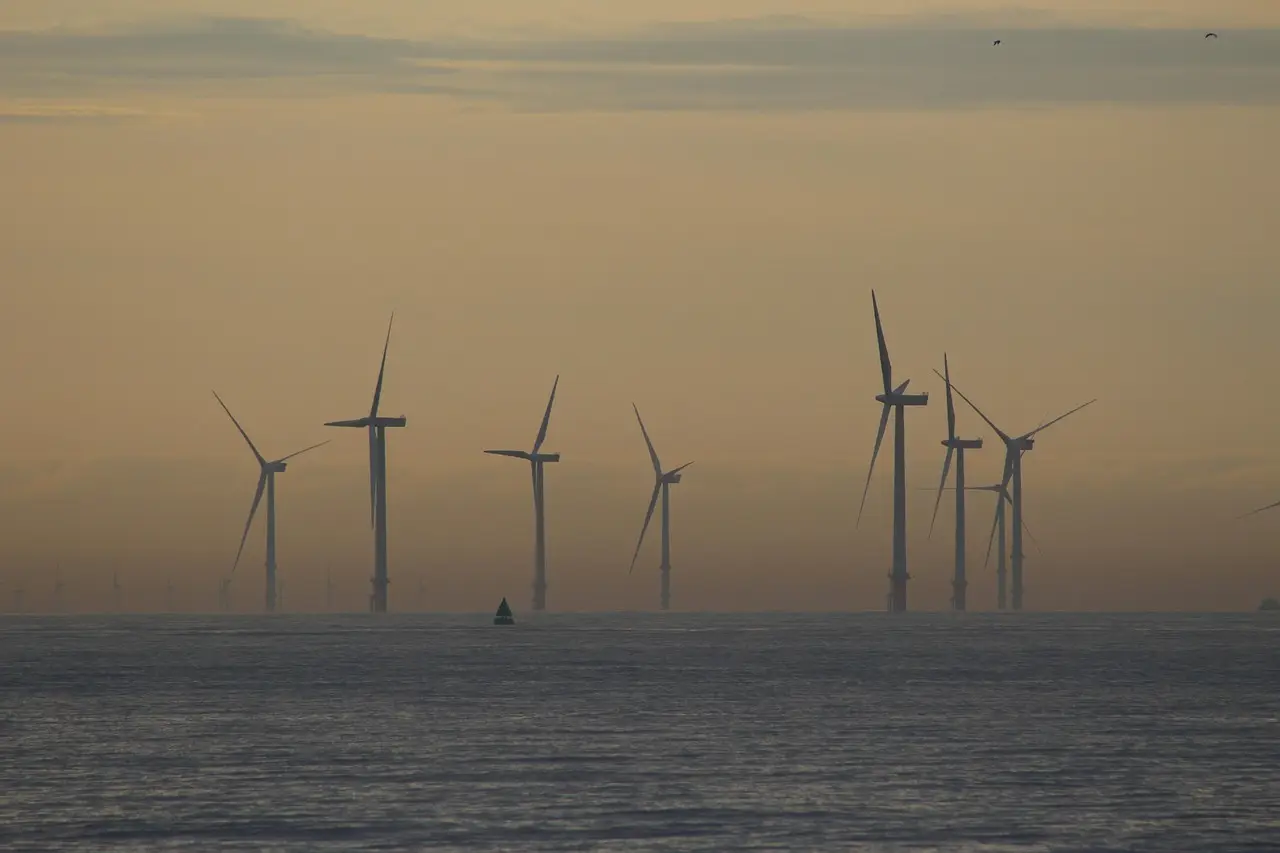
Up to 1.8 gigawatts of transmission capacity now has a cleared path into the UK national grid, after the Marine Management Organisation (MMO) granted a marine licence for the export cable infrastructure serving the third phase of the Berwick Bank offshore wind project.
The consent covers the subsea link known in the industry as the Cambois Connection, which will carry electricity generated in Scottish border waters south into English waters. With this decision, Berwick Bank C — the project's third phase — has secured all the consents it needs to deliver its grid connection.
For developers and grid planners, this is the moment the paperwork catches up with the plan. The MMO licence completes the set: consent for the onshore infrastructure in Northumberland was already in hand, and the marine licence was the remaining piece required to connect the offshore generation to the UK transmission network.
What does the approval actually cover?
The consent applies specifically to the export cable corridor — the subsea infrastructure that moves power from the turbines to shore. It does not itself authorise construction of the wind farm's turbines; it authorises the means of delivering their electricity to customers.
The approved link gives the project up to 1.8GW of transmission capacity into the national network. That figure matters because export capacity, not turbine count alone, determines how much generated power can actually reach homes and businesses.
Iain Jarvie, Berwick Bank C Senior Project Manager at SSE Renewables, framed the decision as one step in a longer sequence. "Securing the Marine Licence in English Waters for the Berwick Bank C export cable infrastructure is another important milestone for the Berwick Bank project," he said.
He described the consent as "an essential required element" in delivering the infrastructure that connects the third phase to the UK transmission network, and said it ensures the project "can transport secure and affordable renewable electricity generated offshore to homes and businesses across the UK."
How big could the finished wind farm be?
If Berwick Bank is built to its full capacity, it could become the world's largest offshore wind farm on completion, reaching up to 4.1GW. At that scale, the project could power more than six million homes every year.
Those figures remain conditional. The developer's own language — "could become," "if built to its full capacity" — reflects the reality that final construction decisions, financing and supply chains still sit between consent and completion. The licence granted this week secures the grid route; it does not guarantee the full 4.1GW build.
Why cross-border cabling required two regulators
The Cambois Connection crosses from Scottish waters into English waters, which is why the MMO — the body regulating marine activities in English seas — had to sign off separately from Scottish authorities. Cross-border export links of this kind routinely need parallel consents on each side of the boundary, and a delay on either one can hold up the entire connection.
The Northumberland onshore consent, already secured, covers the land-based end of the cable where power comes ashore and enters the transmission network. Jarvie said the two consents together "provide further momentum and reflect the continued progress being made across the Berwick Bank development."
What comes next?
The project now holds the consents needed for its grid connection, but the harder construction phase lies ahead. Delivering subsea cable, landfall works and ultimately the turbines themselves will determine whether the 4.1GW ambition becomes steel in the water.
For now, the milestone is real but partial: the wires have permission to exist, and the world's potentially largest offshore wind farm has one fewer regulatory obstacle in its way.
One takeaway: Berwick Bank C can now connect 1.8GW of offshore wind to the UK grid — provided the rest of the project follows through.
via energylivenews.com (Source)
More from Marcus Bennett
Show full bio
News editor covering regulation, policy and their impact on general science news at SciBeat.
370 articles
Nearby plates
- UKRI Confirms Major Science Facilities Will Be Scaled Back
- COP17 Delivers $2 Billion in New Funding to Reverse Nature Loss
- Banks Claim Green Credentials While Funding High-Carbon Projects
- NASA Awards $38M Contract to Build 5G Network on the Moon
- Six Metrics Could Turn Reef Restoration Into Bankable Investment