Plate Nº 34 · recorded November 12, 2026
Earth & ClimateReported finding
Kazakhstan Signs $1.2 Billion in Energy Deals at COP31
Kazakhstan signed $1.2 billion in wind and gas deals at COP31 in Antalya, with renewables now at 8% of its energy mix and a 15% target for 2030.
By Priya Raman3 min read664 words
In brief
- Kazakhstan signed energy agreements worth approximately $1.2 billion at COP31 in Antalya, Türkiye, announced Nov. 11.
- The deals include wind plants of 150 megawatts in Turkistan Region and 1 gigawatt in Kostanai Region, plus 1.35 million smart gas meters.
- Renewables' share of Kazakhstan's energy mix quadrupled in six years to 8%, with a 15% target by 2030.
- Nearly 1.7 billion trees have been planted in five years, with 270 million more planned for 2027.
- The QaJET investment platform launched Nov. 10 with up to $1 billion in potential EBRD financing.
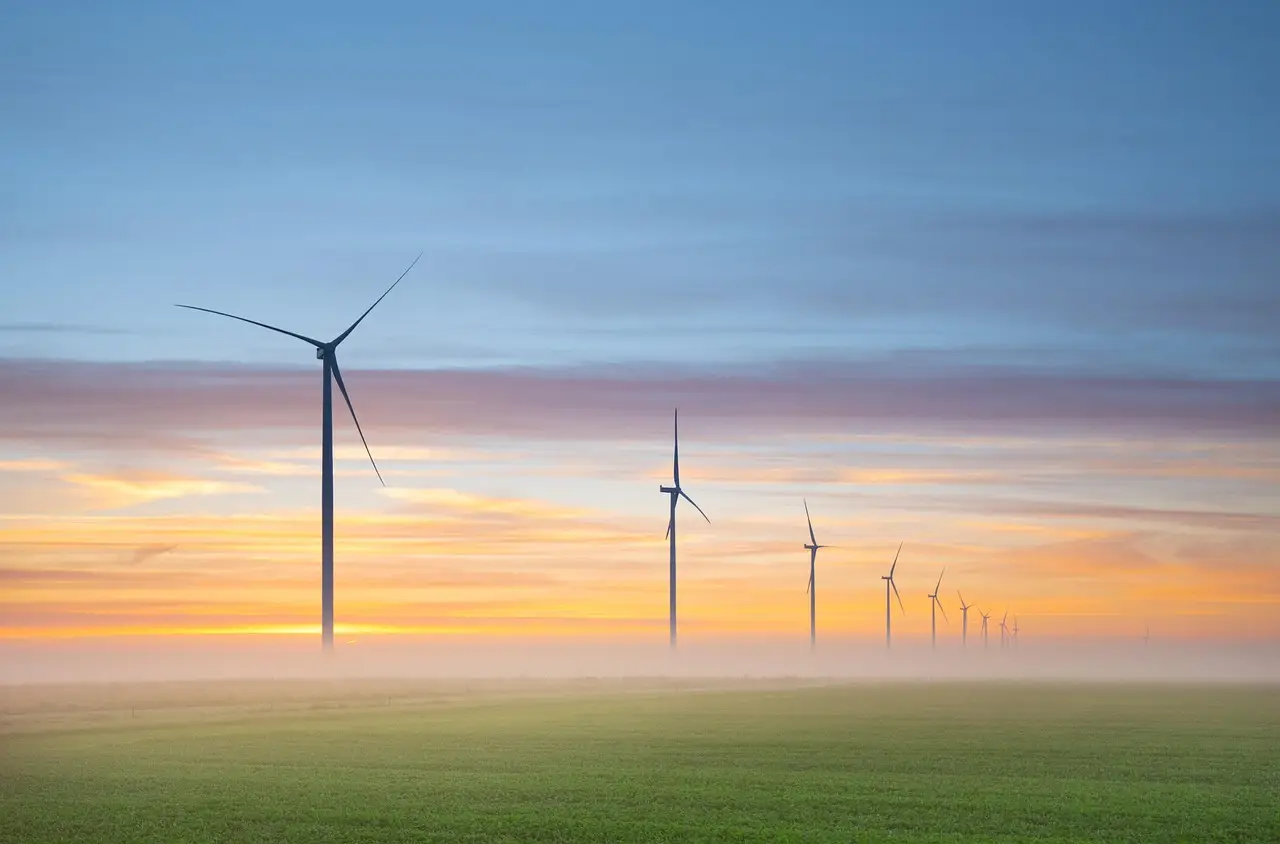
Kazakhstan signed agreements worth approximately $1.2 billion at the COP31 climate summit in Antalya, Türkiye, committing to new wind power plants and a large-scale modernization of its gas infrastructure. The Prime Minister's press service announced the deals on Nov. 11.
The signed package covers three main commitments:
- Construction of a wind power plant with a capacity of 150 megawatts (a unit measuring electrical output) in the Turkistan Region.
- Construction of a wind power plant with a capacity of one gigawatt, equal to 1,000 megawatts, in the Kostanai Region.
- The Aqyl Energy project, which will install 1.35 million smart gas meters with remote data transmission, allowing consumption to be read and managed without on-site visits.
Additional documents signed at the summit expand international cooperation on environmental protection.
Who presented the agreements, and what did Kazakhstan pledge?
Prime Minister Olzhas Bektenov attended the 31st Conference of the Parties to the United Nations Framework Convention on Climate Change on the instruction of President Kassym-Jomart Tokayev. In his address, he outlined the country's environmental priorities: reforestation, water security and the transition to cleaner energy.
Bektenov told the summit that the Taza Qazaqstan initiative had grown into a nationwide movement, with more than six million people taking part in environmental activities. Over the past five years, Kazakhstan has planted nearly 1.7 billion trees, and another 270 million seedlings are planned for 2027. That would bring the country closer to its stated target of two billion trees.
What did Kazakhstan say about water?
The Prime Minister called for stronger international cooperation on water security and highlighted Tokayev's proposal to establish an International Water Organization under the auspices of the United Nations.
"Addressing environmental challenges requires closer cooperation," Bektenov said. He referred to the Regional Ecological Summit held in Astana in April, which adopted the Declaration on Environmental Solidarity of Central Asia, a framework document for regional cooperation.
How fast is the country's renewable transition moving?
The share of renewables in Kazakhstan's energy mix has quadrupled over the past six years and reached 8 percent this year. The government aims to raise that share to 15 percent by 2030.
Beyond wind and solar, the country's priorities include nuclear energy and green hydrogen production (hydrogen made using low-carbon electricity). Kazakhstan is also pursuing a joint Green Energy Corridor project with Azerbaijan and Uzbekistan to facilitate clean electricity exports.
Bektenov additionally highlighted Alatau City, a prospective low-carbon urban development project, and the country's use of artificial intelligence and satellite monitoring to forecast natural hazards and improve emergency prevention.
What was on display at the national pavilion?
Kazakhstan's pavilion presented projects focused on reforestation, methane emission reduction, waste recycling and industrial decarbonization. The exhibition featured initiatives to restore the Northern Aral Sea, protect the Caspian ecosystem and develop a green energy corridor across the Caspian Sea to Europe.
Digital solutions formed a second thread of the display. These included a regional AI-powered carbon platform, satellite-based climate monitoring and the proposed Caspian Climate Shield, an adaptation system designed to protect the region from climate impacts.
What does the new investment platform change?
A day before the announcement, on Nov. 10, Kazakhstan launched its Just Energy Transition Investment Platform, known as QaJET, at the summit in Antalya. The European Bank for Reconstruction and Development is offering up to $100 million in concessional financing and grants, alongside up to $1 billion in potential direct financing.
The combined effect of the signed agreements, the pavilion presentations and the new platform is a country positioning itself as a regional hub for clean energy finance. The $1.2 billion in deals, however, represents signed intent; their realization will depend on subsequent implementation, and the government's 15 percent renewables target for 2030 remains a goal rather than an assured outcome.
Six million volunteers, 1.7 billion trees and a corridor across the Caspian: Kazakhstan arrived at COP31 with numbers to show.
via astanatimes.com (Source)
More from Priya Raman
Show full bio
Senior reporter covering people, launches and day-to-day practice in general science news at SciBeat.
345 articles
Nearby plates
- Turkey Opens COP31 Climate Summit Amid 'Greenwashing' Accusations
- COP31 opens with climate finance clash and muted outlook
- Government-Owned Power Plants Emit Most, Respond Least to Climate Policy
- U.S. Lawmakers to Attend COP31 in Turkey Despite Paris Exit
- WHO: Six climate measures could save 1.6 million lives a year