Plate Nº 36 · recorded November 11, 2026
Science Policy & FundingReported finding
Government-Owned Power Plants Emit Most, Respond Least to Climate Policy
State-owned power plants emit 69% of the sector's carbon pollution, a study of 13,661 plants in 134 countries finds, and most climate policies barely move them.
By Elena Vasquez4 min read774 words
In brief
- Government-owned plants make up 38% of the 13,661 plants studied but produce 69% of their carbon emissions.
- State plants average 910,000 metric tons of CO2 annually, versus 290,000 for investor-owned plants.
- Only renewable portfolio standards significantly cut emissions at government-owned plants between 2009 and 2018.
- Governments control nearly two-thirds of global electricity-generating capacity.
- Ireland's electricity emissions fell more than 25% from 2019 to 2025 after setting targets for state utilities.
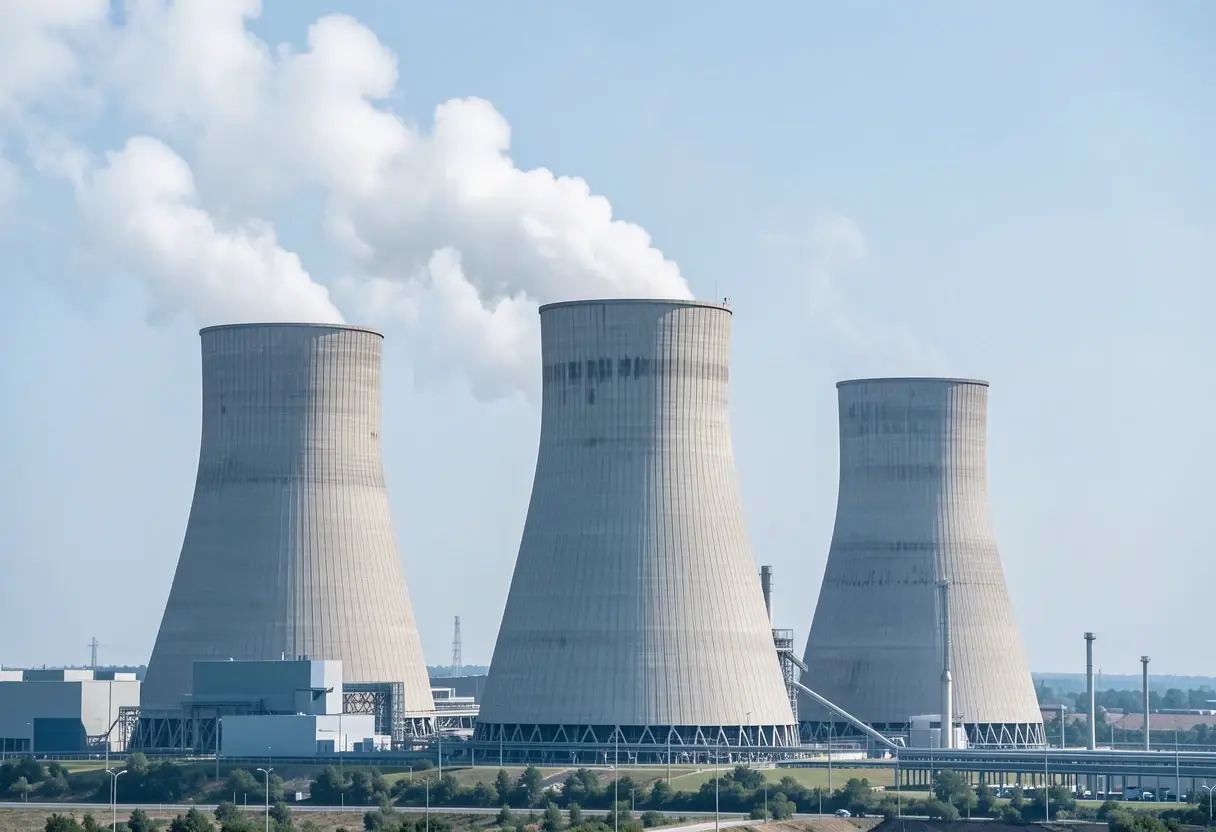
Government-owned power plants produce 69% of carbon emissions from the world's fossil-fueled electricity sector while making up only 38% of its plants, according to a new analysis published in Energy Policy. And when countries adopt climate policies, these state-run facilities barely respond.
Researchers Don Grant, Minh Anh Ly and Musabber Ali Chisty examined carbon dioxide output from 13,661 fossil-fueled power plants across 134 countries. Their finding lands just as world leaders prepare to wrestle with emissions follow-through at the annual U.N. climate summit in November 2026.
The stakes are hard to overstate. Governments control nearly two-thirds of the world's electricity-generating capacity, and power plants are the single largest source of climate-warming carbon pollution globally.
What did the study find?
The ownership gap is stark. On average, a government-owned plant emitted roughly 910,000 metric tons of carbon dioxide annually. Investor-owned plants averaged 290,000 tons — about a third as much. Cooperatively owned plants averaged just 109,000 tons.
Part of the difference is fuel choice. Governments often invest in large plants burning coal, the dirtiest fossil fuel.
But size and fuel don't explain everything. The team compared plant emissions in 2018 with emissions a decade earlier, tracking how national policies applied over that period affected different owners. Investor-owned plants cut emissions from 2009 to 2018 in response to nearly every policy tool governments used. Government-owned plants responded to almost none.
The takeaway: policies work when utilities react to them, and state utilities often don't.
Which policies worked, and for whom?
For investor-owned plants, significant emissions cuts were statistically associated with:
- Carbon pricing — carbon taxes charging companies for emissions, and emissions trading systems with limits that tighten over time
- Fossil fuel subsidy reform that cut federal support for fossil fuel use
- Regulation — air pollution standards, plus bans and phase-outs of coal plants
- Renewable portfolio standards requiring utilities to expand renewable energy
- Renewable energy subsidies
For government-owned plants, only one tool moved the needle: renewable portfolio standards. The other policies had little measurable effect on their emissions. The pattern held even when the researchers accounted for how demanding each policy was and how long utilities had to adjust.
That doesn't mean state plants were breaking the law. The study measured policy responses, not compliance, and the slow-mover finding stands regardless.
Why do state utilities lag?
Government ownership creates competing pressures that private plants largely escape. State-owned utilities may be expected to keep electricity affordable, support job growth and generate tax revenue. In countries dependent on fossil fuel extraction payments, utilities also face political pressure to keep coal and gas facilities running.
South Africa's Eskom shows how these forces collide. The state-owned utility runs a fleet of aging coal plants that make it the country's biggest polluter, yet it also supplies about 90% of South Africa's power. During power shortages, it has at times violated emissions standards. Despite years of climate talks, Eskom's emissions fell little through the 2010s; they have dropped about 16% since 2019, partly due to outages and households switching to home solar.
There's also a built-in conflict when the same government both regulates and owns a utility. Officials may balk at imposing costs that could raise electricity prices or require public subsidies. The study did not measure enforcement, so the researchers could not establish whether publicly owned facilities get special treatment or simply move slowly.
Private utilities, accountable to fewer stakeholders, can respond more directly to financial incentives to clean up.
What can governments do?
The researchers suggest three approaches.
Set targets for state utilities, and enforce them. Ireland added emissions-reduction targets specifically for publicly owned utilities and tied managers' performance reviews, investment approvals and public reporting to measurable progress. Its electricity-sector emissions fell by more than a quarter from 2019 to 2025.
Address the financial and political constraints. In Morocco, international financing helped a state-owned agency expand solar power while limiting costs to consumers. Similar measures, combined with support for communities hit by coal-plant closures, could make cuts feasible elsewhere.
Track plant-level emissions, not just sector totals. Publishing comparable annual emissions for individual plants and flagging persistent heavy polluters would reveal whether sector-wide gains mask stagnation at specific facilities.
None of this argues for privatization, the authors caution. Government-owned plants offer real advantages, including coordinated long-term investment and reliable electricity in underserved areas.
The plain lesson: governments that write climate laws must also make sure the plants they own actually deliver the cuts.
via phys.org/rss-feed/ (Source)
More from Elena Vasquez
Show full bio
Correspondent covering money, funding and market shifts around general science news at SciBeat.
384 articles
Nearby plates
- Global Fossil CO₂ Emissions Set to Fall 0.4% in 2026, Report Says
- Global Fossil CO2 Set to Fall 0.4% in 2026 – But Wars, Not Clean Energy, Drive It
- High Oil Prices From Iran Conflict May Cut Global Fossil CO2 in 2026
- U.S. Irrigation Avoids 6.86 Gigatons of Emissions via Spared Land
- Fossil Fuel Emissions Dip in 2026, But Not Thanks to Green Energy