Plate Nº 56 · recorded November 11, 2026
Earth & ClimateReported finding
High Oil Prices From Iran Conflict May Cut Global Fossil CO2 in 2026
Global fossil CO2 emissions are set to drop 0.4 percent in 2026 — the first decline since COVID — as Iran war-driven oil prices cut demand and renewables offset two thirds of energy growth.
By Priya Raman3 min read661 words
In brief
- A Nature Climate Change study projects fossil fuel CO2 emissions to fall 0.4 percent in 2026.
- Fossil emissions grew about 0.8 percent annually between 2019 and 2025.
- Renewables and electric vehicles are offsetting two thirds of growing energy demand, led by China.
- COVID-era emissions fell roughly 5 percent but rebounded the following year.
- Total global CO2 emissions, including deforestation, will still increase.
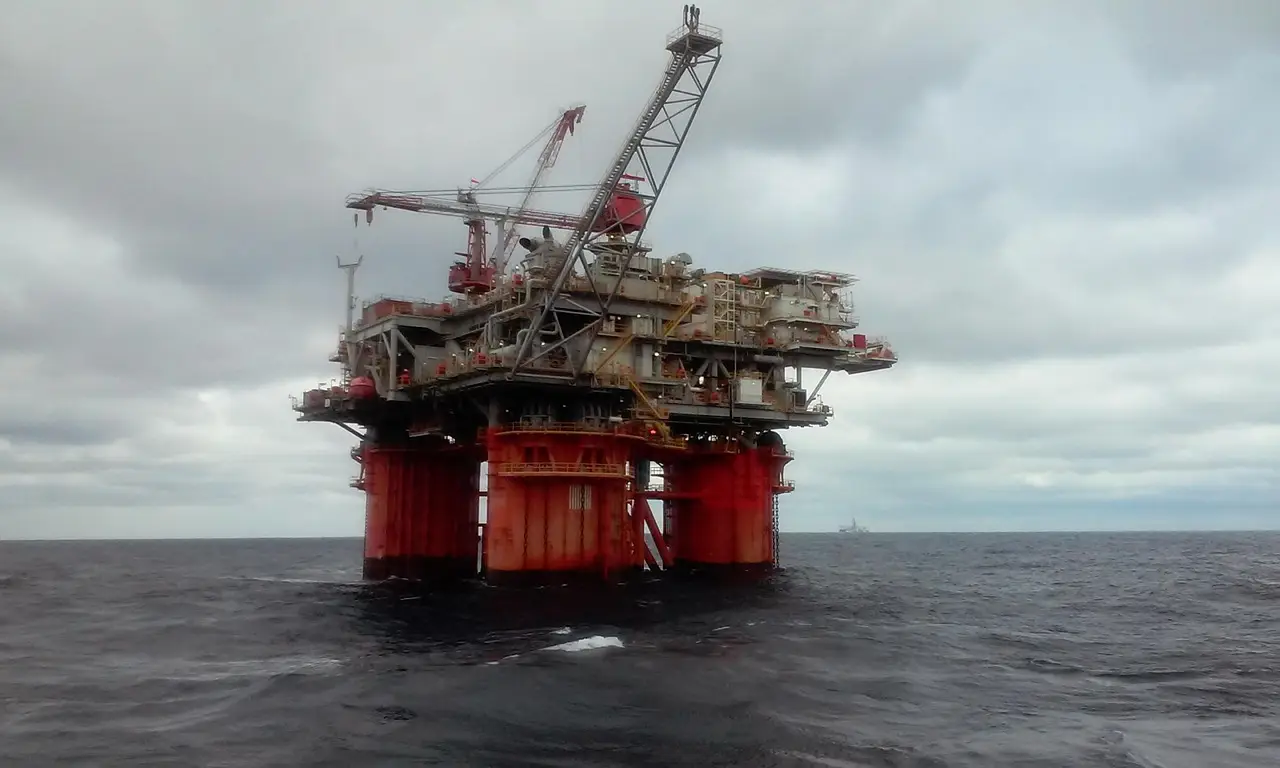
Global carbon dioxide emissions from fossil fuels are on track to fall by 0.4 percent in 2026, according to a new study published in Nature Climate Change — the first annual drop since the COVID pandemic, and one driven largely by oil prices pushed upward by the U.S. war with Iran.
The projection marks a sharp break from recent history. Between 2019 and 2025, emissions from burning coal, oil and gas grew by about 0.8 percent each year. Next year, the study finds, that trend should reverse — not because the world has deliberately weaned itself off fossil fuels, but because expensive petrol is forcing people to use less of it, while solar power, wind and electric cars absorb a growing share of energy demand.
"The high petrol prices following the war in Iran are reducing oil use and keeping emissions low," says Corinne Le Quéré, the study's lead author and a professor of climate change science at the University of East Anglia in England.
What is driving the projected drop?
The study identifies two forces working together, one temporary and one structural.
- High oil prices. The conflict with Iran has raised fossil fuel prices worldwide, suppressing demand for oil — the rough equivalent of a tax that consumers pay at the pump, cutting consumption.
- Green technology. The continued expansion of solar panels, wind turbines and electric vehicles is displacing fossil energy. "The expansion of renewable energy has progressed a lot in recent years, led by China," Le Quéré says. Together with electric vehicles, this expansion is offsetting two thirds of the world's growing demand for energy.
The study describes the emissions decline as "short-term," and its authors are careful about what the number does and does not mean.
Why the drop may not last
History offers a sobering precedent. Researchers measured a small decrease in emissions after the 2008 financial recession, and a far larger one during the COVID pandemic, when global emissions fell by an estimated 5 percent or so. "However, in both cases, emissions rebounded the year after," Le Quéré notes.
The same pattern could repeat. If oil prices fall back to their prewar levels, Le Quéré and her colleagues expect emissions to rise once more, because the underlying demand for energy has not disappeared — it has merely been priced out of reach for now.
There is, however, a countervailing possibility. The anticipated rebound could be blunted, the researchers argue, by adding still more renewable energy to the world's supply mix, continuing the substitution already under way.
"We show that to tackle climate change and guarantee that global fossil emissions decrease durably, the expansion of renewable energy and electric vehicles need to accelerate further," Le Quéré says.
What the study leaves out
One important caveat concerns the full emissions picture. The 0.4 percent decline applies only to fossil fuels. When all sources of carbon are considered — including deforestation, the clearing of forests that releases stored carbon — total global CO2 emissions are still set to increase in 2026.
The findings arrive at a fraught moment. The United Nations' climate talks are getting under way in Antalya, Türkiye, during a year marked by global temperature extremes and climate disasters. This year is on track to rank among the hottest ever recorded, a reminder that a single year of falling fossil emissions, welcome as it is, barely dents the accumulated stock of carbon already warming the planet.
For policymakers gathering in Türkiye, the study's message cuts both ways. A war-driven price shock has achieved, by accident, what years of negotiation have struggled to deliver — a genuine dip in fossil emissions. But the authors' own data show the dip rests on fragile ground. Durable decline, they conclude, will come not from conflict but from acceleration: more wind, more solar, more electric vehicles, deployed faster than the world has managed so far.
One year of falling emissions is a data point; a trend, it is not.
via scientificamerican.com (Source)
More from Priya Raman
Show full bio
Senior reporter covering people, launches and day-to-day practice in general science news at SciBeat.
342 articles
Nearby plates
- Fossil Fuel Emissions Dip in 2026, But Not Thanks to Green Energy
- Global Fossil CO₂ Emissions Set to Fall 0.4% in 2026, Report Says
- Global Fossil CO2 Set to Fall 0.4% in 2026 – But Wars, Not Clean Energy, Drive It
- Government-Owned Power Plants Emit Most, Respond Least to Climate Policy
- New Study Ties Major Fossil Fuel Emitters to Extreme Weather Risk