Plate Nº 61 · recorded November 12, 2026
Earth & ClimateReported finding
COP31: Record ocean heat, sea levels and four years of ice loss
At COP31, WMO chief Celeste Saulou reported record ocean heat and sea levels, four straight years of ice loss, and Nepal floods that killed about 1,500, with 5,600 missing.
By Priya Raman3 min read657 words
In brief
- A WMO State of the Climate report issued days before Saulou's COP31 speech recorded record sea levels and ocean heat.
- All glaciated regions had lost ice for four consecutive years, Saulou said.
- 2025 was one of the driest years for the world's rivers in 25 years.
- This year's Nepal flash flood, described as worsened by climate change, killed around 1,500 people and left 5,600 missing.
- Saulou urged COP31 delegates to implement early warning and broader measurement systems.
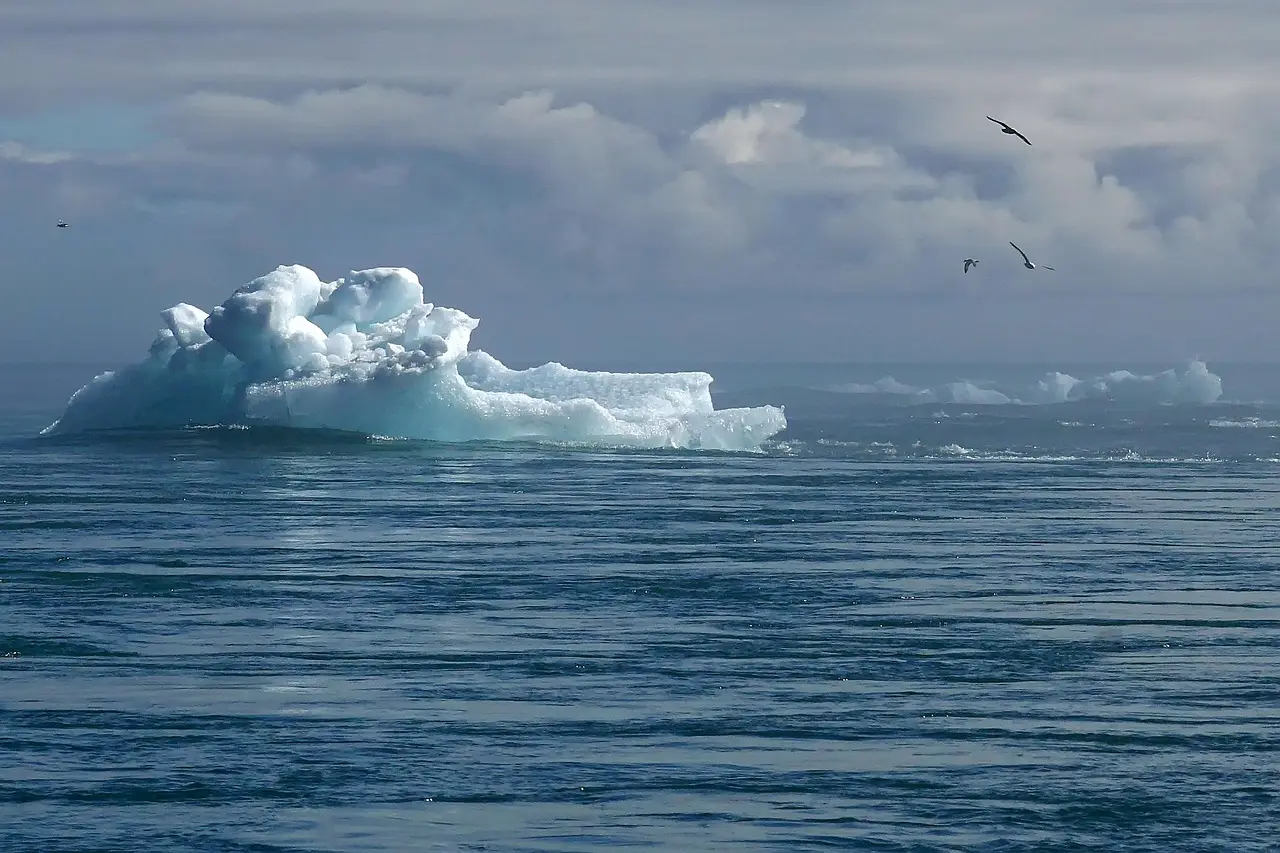
Record ocean heat and sea levels, alongside four consecutive years of ice loss, frame the warning Celeste Saulou delivered to COP31 delegates.
On Wednesday, Saulou, secretary-general of the World Meteorological Organisation (WMO), spoke at the COP31 conference. She said the oceans were warming every day, increasing the risk of ice melt.
What did the WMO report?
A State of the Climate report issued by WMO a few days earlier had registered record highs in sea levels (the height of the ocean's surface) and ocean heat (heat stored in seawater).
The report stated: “Hundreds of millions of people this year have been exposed to unbearable extreme heat, whilst the catastrophic ice and rock collapse and flash floods in Nepal highlighted the compound risks facing communities in fragile, warming high-mountain terrain.”
Saulou described the Nepal events as compound risks: several hazards converging in the same vulnerable place rather than one event with one consequence. Her live address brought the same pattern to a global scale, linking the physical movement of water and ice with the danger reaching communities.
The sequence she described was straightforward: additional ocean heat raises the chance of ice melt; melting reduces water held in glaciers and snow; lower storage leaves less reserve for dry periods. She also linked falling land water and drier rivers with stronger weather extremes, although the speech did not assign numerical shares to each part of that chain.
Why does the loss of ice matter?
Her sharpest warning concerned the world's glaciated regions, meaning areas containing glaciers. She said:
“All the world's glaciated regions have lost ice for four years in a row. Ice and snow are part of the water we save for dry years. Those savings are running low.”
Like a reservoir, ice and snow store water for dry periods. With those reserves running low, communities have less water set aside for seasons when rain and river flow do not replenish supplies.
Water stored on land has also been falling. Saulou said 2025 was one of the driest years for the world's rivers in 25 years.
How are weather hazards changing?
She argued that these changes were supercharging the weather. Heatwaves, storms and rain were intensifying faster than old baselines—historical reference ranges used for preparation—had anticipated.
Her examples included ice and rock collapse and floods in China and Nepal. Those events showed how hazards in fragile mountain areas can cascade downstream and across borders.
She also said a very strong El Niño was underway. El Niño is a recurring warm phase of tropical Pacific climate variability; the excerpt did not specify how it would alter particular storms.
What did the Nepal flood reveal?
This year's Nepal flash flood, a flood that arrives suddenly, killed around 1,500 people and left 5,600 missing. The account described the disaster as worsened by climate change.
Because the available account gave no numerical share for climate change's contribution, the causal statement should not be read as a complete accounting of every factor behind the flood. The figures instead show the scale of the reported toll.
The material provided broad global indicators rather than a local risk map. It did not provide uncertainty ranges, a regional breakdown or a timetable for how the trends may develop. Its clearest evidence was therefore the set of observed records, the four-year ice-loss sequence and the reported human toll in Nepal.
What did Saulou ask delegates to do?
Saulou ended by urging delegates to implement early warning systems and broader measurement systems. She said both would strengthen global observing power—the capacity to monitor the planet—and could potentially save lives.
The speech did not specify deployment dates or funding, so it set out a policy direction rather than an implementation schedule. Her closing message was practical: measure the planet more closely, warn communities sooner and act before today's extremes become tomorrow's losses.
via energylivenews.com (Source)
More from Priya Raman
Show full bio
Senior reporter covering people, launches and day-to-day practice in general science news at SciBeat.
345 articles
Nearby plates
- Researchers Urge WHO to Declare Climate Crisis a Global Health Emergency
- Strong El Niño could push 2027 global temperatures to a record
- 362 Hidden Earthquakes Detected Under Antarctica's Doomsday Glacier
- Marine Heatwaves Hide Months of Extra Ocean Warming, Study Finds
- WHO Chief Puts Health at the Center of COP31 Climate Action