Plate Nº 60 · recorded November 10, 2026
Science Policy & FundingReported finding
The Data Centre Problem Bigger Than Water or Power: the Money
US data centres used 66 billion litres of water in 2023 — but experts say the borrowed $750bn behind the AI boom is the bigger, riskier problem.
By James Calloway4 min read877 words
In brief
- US data centres used around 66 billion litres of water in 2023; one large site can match a town of 50,000 people daily.
- By end of 2025 the US had 4,000+ data centres with about 50 GW of capacity — enough to power London 10 times over.
- Tech firms plan $750bn in US infrastructure spending by end of 2026, possibly topping $1tr annually by 2027.
- Economists calculate data centres must become 2.7 times as productive to deliver a 15 per cent investor return.
- AI infrastructure spending is expected to reach 2.8% of the US economy, above railroads' 2.5% before the 1873 crash.
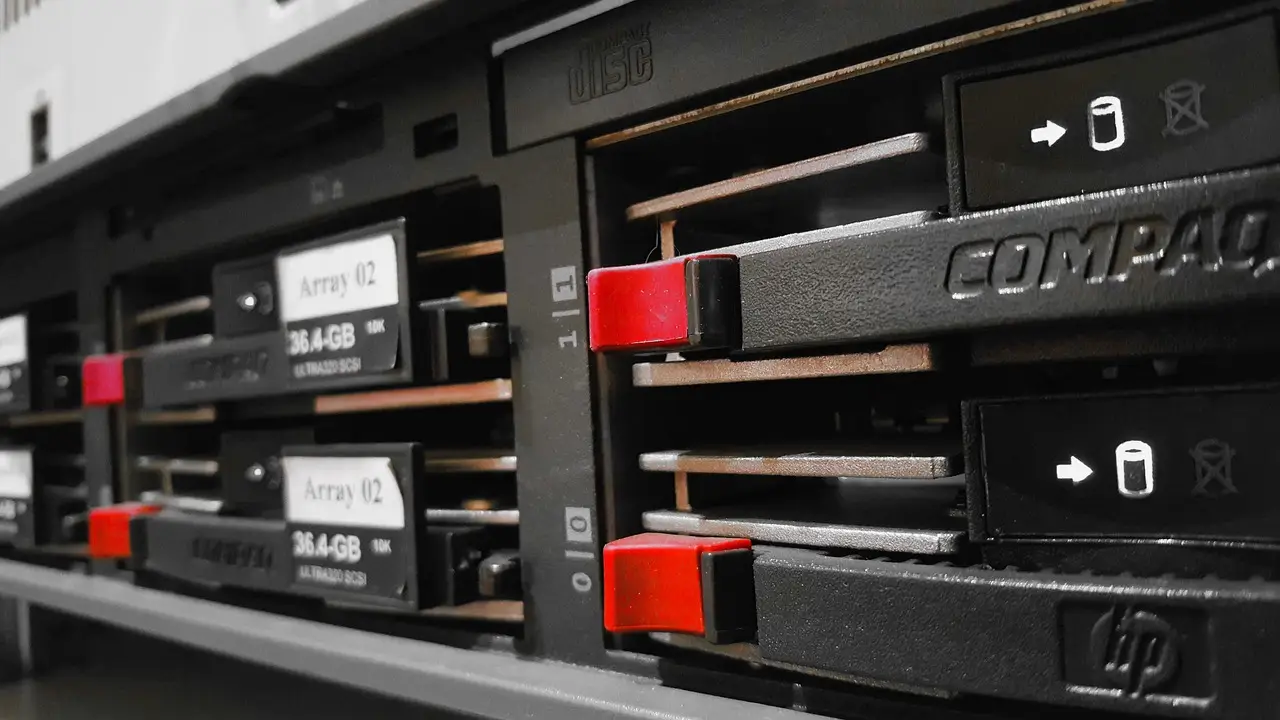
Tech giants plan to spend more than £560bn ($750bn) on new US infrastructure by the end of 2026, and economists warn that if AI doesn't deliver, those firms risk bankruptcy. That, according to experts, is the problem with data centres bigger than their thirst for water or their hunger for electricity.
The familiar worries are real enough. In 2023, US data centres used around 66 billion litres of water, and a single large site can drink as much in a day as a town of 50,000 people. By the end of 2025, the US had more than 4,000 data centres with roughly 50 gigawatts of capacity — enough to power London more than ten times over.
Little wonder people are pushing back. Despite the Trump administration's public support for the boom, 69 per cent of respondents in a recent NBC News poll said they would oppose an AI data centre in their own neighbourhood. Protest signs reading 'No Data Centers' have appeared on front lawns in both the US and the UK.
But the financial fault line beneath the boom may matter more.
What do communities actually get?
Hosting a data centre isn't all bad news, at least economically. Facilities boost local tax revenues and create permanent jobs — though usually only in the low hundreds. Developers may pay to upgrade substations, roads and emergency services, and some generate their own power or sink wells for groundwater rather than leaning on public supplies.
Dr Ben Green, assistant professor of information and public policy at the University of Michigan and author of Algorithmic Realism, questions whether communities get enough in return. Some areas have signed 'community benefits agreements', where developers commit money or improvements to host communities. Green calls them a step in the right direction — with limits.
"I still think that the actual scale of those agreements tends to be pretty paltry compared to the scale of the data centre itself," he said.
Communities often don't decide where that money goes, either. A developer might prefer to "throw a few million dollars into the fire department", Green said, rather than tackle noise reduction, which residents may care about far more.
How risky is the money behind the boom?
Here's where it gets uncomfortable. In June, economists Jonathan and Jessica Wachter calculated that annual spending on AI infrastructure could exceed £750bn ($1tr) by 2027. For the bet to pay off, AI must generate equally colossal returns through services, new products or productivity gains.
Assuming investors expect a 15 per cent return, the Wachters calculated that these data centres would need to become 2.7 times as productive for the numbers to work. If the gains don't materialise, they warned, the firms "risk bankruptcy".
And much of this is borrowed money, not current profits. If AI disappoints, companies would face both expensive, underperforming data centres and heavy debts. If enough hit that wall at once, the shock could ripple through the wider economy.
There's a precedent. Economic historian Liaquat Ahamed has compared the AI boom to the great US railroad bubble of the 19th century, when borrowed money financed a frenzy that doubled America's rail network in just seven years after the Civil War. When the bubble burst in 1873, it helped drag the entire US economy into the Long Depression. Railroad construction then averaged around 2.5 per cent of the US economy; AI infrastructure spending is now expected to reach 2.8 per cent.
The company behind that planned data centre down your road may go bust before a single brick is laid. But an abandoned building site could be the least of anyone's worries.
Will we even need all these data centres?
Nobody knows how much computing power AI will need, and the hardware is moving fast. Chips that run AI have roughly doubled in performance every two years.
"The chips that Nvidia put out on laptops today are more capable than the ones four years ago, or two years ago, that required 10 times as much energy and [went] into the big servers," said Prof Carl Boettiger, an associate professor at the University of California, Berkeley. AI models themselves are shrinking too, he notes, doing similar work with far less computing power.
Yet progress cuts both ways. Cheaper AI means we'll likely use much more of it, and total demand for computing power could grow fast enough that we need more data centres, not fewer.
Green agrees we'll use more AI — just not necessarily the giant kind. Much of today's building boom is designed for the most powerful models, but smaller, cheaper models will soon handle everyday tasks nearly as well.
"Why pay such a premium for the most sophisticated model when you can, for 10 per cent of the cost, get 80 per cent of the performance?" he asks.
If enough people reach that conclusion, many planned data centres could end up as 'stranded assets' — humming away, half-empty, long after the hype has died. So what does this change for the people living next door? Possibly nothing yet. The promised tax money may arrive, or the developer may collapse first. Either way, the water and power bills are the smaller gamble.
via sciencefocus.com (Source)
More from James Calloway
Show full bio
Staff writer covering regulation, policy and their impact on general science news at SciBeat.
346 articles
Nearby plates
- UK's World-Leading Science Facilities Face £162m Funding Crisis
- UKRI Confirms Major Science Facilities Will Be Scaled Back
- UK Pledges £86 Billion for Science and Tech — But Where's the Detail?
- 63% of Remote First Nations Homes Lack Working Free-to-Air TV
- At least 29 jurisdictions pass data-center limits amid AI backlash