Recorded November 22, 2026
Science Policy & FundingReported finding
Cyberattacks reportedly pushed some supermarket freezers to 50°C
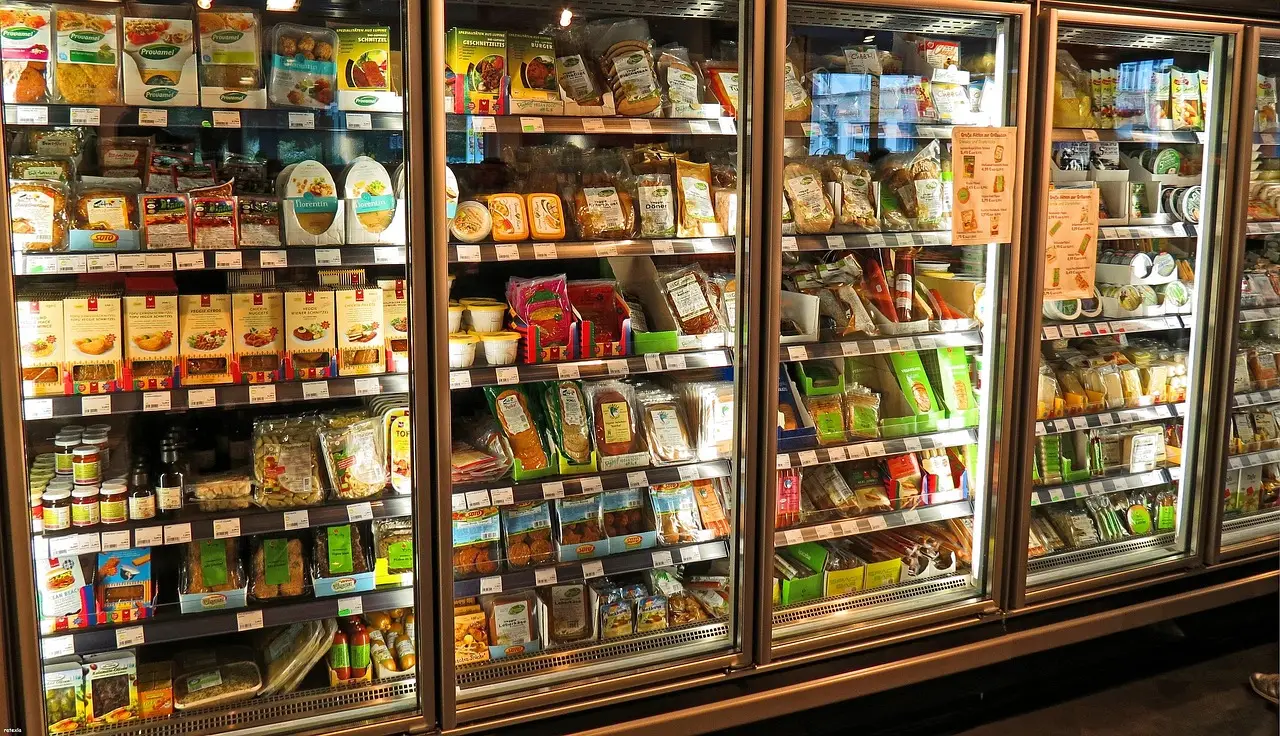
About 700 French supermarkets and 100 sites elsewhere in Europe were targeted in attacks that reportedly pushed refrigeration systems to 50°C, spoiling fresh and frozen food.
By Priya Raman3 min read624 words
By Priya Raman
Cyberattacks in Europe reportedly drove some remotely controlled supermarket refrigeration units to 50°C, according to a Tufts University account.
The reported incidents included spoiled fresh and frozen products, small fires, and estimated losses reaching millions of euros. They show how connected equipment can threaten food supplies, businesses, and public safety rather than only stored information.
The danger lies in the combination of scale and physical function. Attackers may use a supermarket controller to change a setting that affects stock, while attacks across hundreds of sites can extend disruption well beyond a single business. Physical consequences can therefore affect several stores at once.
What happened across Europe?
Computer security researcher Shaanan Cohney said about 700 supermarkets in France were targeted in mid-October. Another 100 sites elsewhere in Europe were targeted in early November, according to his account.
French authorities attributed the initial attacks to Iranian state-sponsored hackers, although the attackers' precise motives remain uncertain.
“Attacks on industrial equipment are not new,” Cohney explained. “What makes these incidents striking is their apparent scale and the possibility that a coordinated campaign could directly affect ordinary shoppers.” He also said that public disruption itself may be part of the intended message.
Why can internet-connected refrigeration become a target?
Operational technology (equipment that controls physical processes) differs from an ordinary office computer. It governs cooling, heating, water treatment, and machinery rather than simply handling information.
It operates more like a control panel for physical machinery than a conventional desktop. A successful attack can therefore damage the real world rather than merely steal data, turning a remote technical breach into physical and operational harm.
Supermarkets increasingly rely on internet-connected temperature controllers to monitor stock and manage energy use. Remote access makes maintenance convenient, but a poorly protected connection can give criminals an opening.
That weakness places everyday infrastructure within the wider cybersecurity challenge. The convenience of remote control does not reduce the physical consequences when an attacker can alter temperature settings at a distance.
These systems connect digital instructions with physical operations. Their controllers can receive remote commands and act on them in cooling and heating systems, so a compromise can produce consequences without removing data.
Did artificial intelligence cause the attacks?
Artificial intelligence (computer systems that can help organize or repeat tasks) could make some malicious activity easier to organize or repeat. The Tufts account does not establish that AI caused these particular incidents.
That possibility does not settle causation. Even without it, attackers can exploit familiar weaknesses across many similar connected devices, which is the central concern identified in the account.
What risks extend beyond grocery stores?
Similar freezer failures at some United States military commissaries were being investigated as possible cyberattacks. Federal agencies issued a joint warning in early November about threats to temperature-controlled systems.
Those systems also protect medicines and other sensitive supplies. The warning shows that authorities treated threats to temperature-controlled equipment as a broader issue.
Hospitals, warehouses, and food distributors also depend on reliable refrigeration. Outages can carry consequences beyond the affected site, and an outage can have effects long after a system is restored.
Operators need strong access controls (rules limiting remote access), updated equipment, and ways to detect unusual changes before products are ruined. Controls restrict unauthorized entry, updates address familiar weaknesses, and detection provides warning before physical damage accumulates.
For shoppers, the attacks do not mean that every supermarket freezer is unsafe. They do show why cybersecurity now matters to food safety as well as privacy.
Protecting connected physical equipment is becoming an essential part of keeping ordinary services running. The defense must extend from stored information to the systems that maintain safe temperatures for food, medicine, and other sensitive supplies.
via knowridge.com (Source)
More from Priya Raman
Show full bio
Senior reporter covering people, launches and day-to-day practice in general science news at SciBeat.
549 articles
Nearby plates
- 392 Million Records: New Database Maps Europe's Changing Food Risks
- DR Congo Ebola Deaths Top 5,300 as Attacks Stall WHO Response
- Researchers Propose National Consortium to Defend Agriculture from Cyberattacks
- AI Uncovers 'Java4Shell' Flaw at the Heart of Internet Software
- COP31 Branded 'Worst COP Ever' as NGOs Reject Draft Texts