Plate Nº 92 · recorded November 10, 2026
Health & Medicine ResearchReported finding
Divide Heart Rate by Steps: A Two-Number Test for Heart Risk
Northwestern researchers found dividing daily heart rate by daily steps predicts heart disease and diabetes risk better than either metric alone — and lowering it takes just more walking.
By Marcus Bennett3 min read627 words
In brief
- Northwestern University researchers published the DHRPS findings in 2025
- The study monitored over 7,000 Fitbit users across five years, logging more than 50 billion steps
- DHRPS = average daily heart rate ÷ average daily steps; lower is better
- Score bands: low (≤0.0081), medium (>0.0081 to <0.0147), high (≥0.0147)
- At least one week of reliable tracker data is needed for a meaningful score
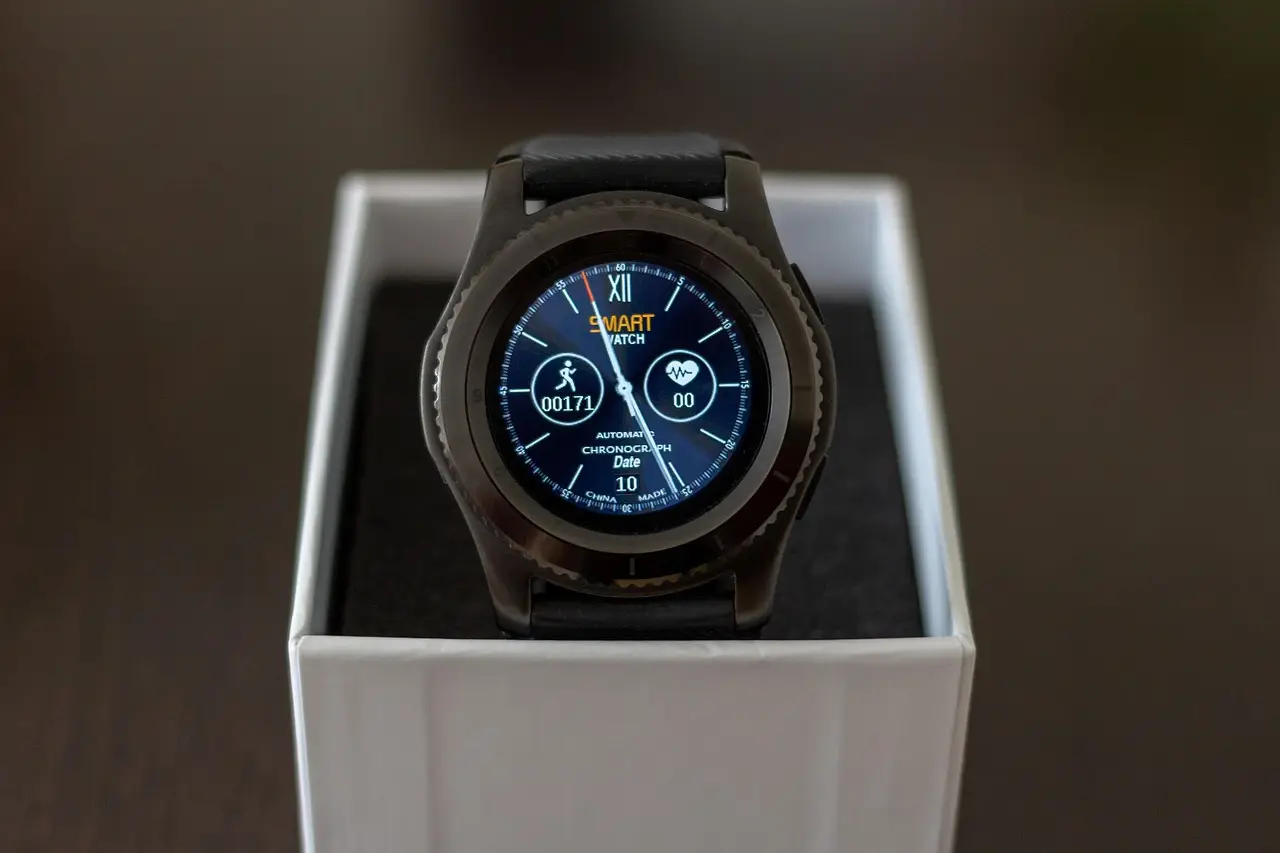
One division — your average daily heart rate divided by your average daily step count — predicted type 2 diabetes, heart failure and heart attack risk better than heart rate or steps alone, according to researchers at Northwestern University who published their findings in 2025.
The metric is called daily heart rate per step, or DHRPS. You compute it by taking your average daily heart rate and dividing it by the average number of steps you take. A tracker such as a Fitbit or Apple Watch does the counting for you; the arithmetic takes about two seconds.
"We found out that your [DHRPS measurement] actually correlates better with type 2 diabetes, heart failure, myocardial infarction and heart attack," said Flynn Chen, lead author of the paper. "And it's much better than just heart rate or step count alone."
How does the score work?
Consider a concrete example. If your average heart rate is 80 beats per minute this month and you take 6,000 steps per day, your DHRPS score is 0.01333. Raise your step count to 10,000 per day next month, and your score improves to 0.008. On this metric, lower is better.
Chen and his colleagues monitored more than 7,000 Fitbit users across five years. Together, those participants logged over 50 billion steps during the study period. The researchers sorted them into three bands by DHRPS score:
- Low: 0.0081 or less
- Medium: above 0.0081 but below 0.0147
- High: 0.0147 or above
To get a meaningful score, Chen says you need at least a week of reliable data from your smartwatch or tracker.
The takeaway: divide your daily heart rate by your daily steps, and aim to push the number down.
How do you improve your score?
The simplest route, according to Chen, is to walk more.
"We know that step count per day is an independent risk factor for cardiovascular disease and mortality through a lot of established studies," he said. "What we're also discovering through our metric is that heart rate with respect to the number of steps is potentially a stronger independent risk factor for cardiovascular disease than just steps alone."
Walking more delivers a double effect. "When you increase the number of steps, you're not only meeting the goal of 10,000 steps per day, you're also — at the same time — diluting our measure," Chen said. "You're lowering two factors by just doing one thing."
That framing carries a hedge worth noting: the researchers describe the combined measure as a "potentially" stronger risk factor, and the work builds on correlational tracking data rather than a controlled trial.
The takeaway: more steps improve the score twice over — more movement, lower heart rate relative to effort.
Could this replace a VO2 max test?
Since the paper appeared, the health-tracking community has already started using the metric, and wider use could generate more data and further findings.
Chen points to one early signal: "One of the things that's really important is that our metric correlates with VO2 max in a small subset of patients."
VO2 max measures the maximum amount of oxygen your body can use during exercise, and it reveals a lot about aerobic fitness and metabolic health. But measuring it usually requires a treadmill stress test, which has limited availability.
If DHRPS proves to be a good proxy for VO2 max, it could make revealing fitness data accessible to anyone with a wrist tracker — no lab appointment, no spreadsheets. That claim rests, for now, on a small subset of patients, and researchers will need more data to confirm it.
The takeaway: one free calculation from your tracker may eventually stand in for a test most people can't easily get.
via sciencefocus.com (Source)
More from Marcus Bennett
Show full bio
News editor covering regulation, policy and their impact on general science news at SciBeat.
370 articles
Nearby plates
- Lower walking activity linked to later neurological diagnoses
- Aggressive Blood Pressure Targets Show No Clear Heart Benefit in Diabetes Trial
- GLP-1 Drugs Improve Bodies, But Life Outcomes Stay Unchanged
- Strict blood sugar targets may quietly erode daily well-being
- Fasting Before Blood Tests: Only 10 of 121 Tests Really Need It