Recorded November 19, 2026
Biology & EvolutionReported finding
Engineered gut bacteria ease liver disease symptoms in mouse tests
UChicago researchers used a genetic toolkit to make gut bacteria produce an immune protein, improving glucose balance and lowering inflammatory markers in mice with metabolic liver disease.
By Elena Vasquez4 min read760 words
In brief
- 2026: UChicago researchers engineered C. comes to produce an extra immune protein that helps protect the gut lining.
- Three favorable outcomes appeared in MASLD mice: better glucose balance, fewer blood inflammatory markers and reduced overall disease effects.
- The genetic toolkit targets Lachnospiraceae, a common but difficult-to-engineer family of gut bacteria.
- Nature Microbiology, 2026: Jack Arnold is the first author; the DOI is 10.1038/s41564-026-02527-9.
- The study tested mice rather than people and remains a proof of concept.
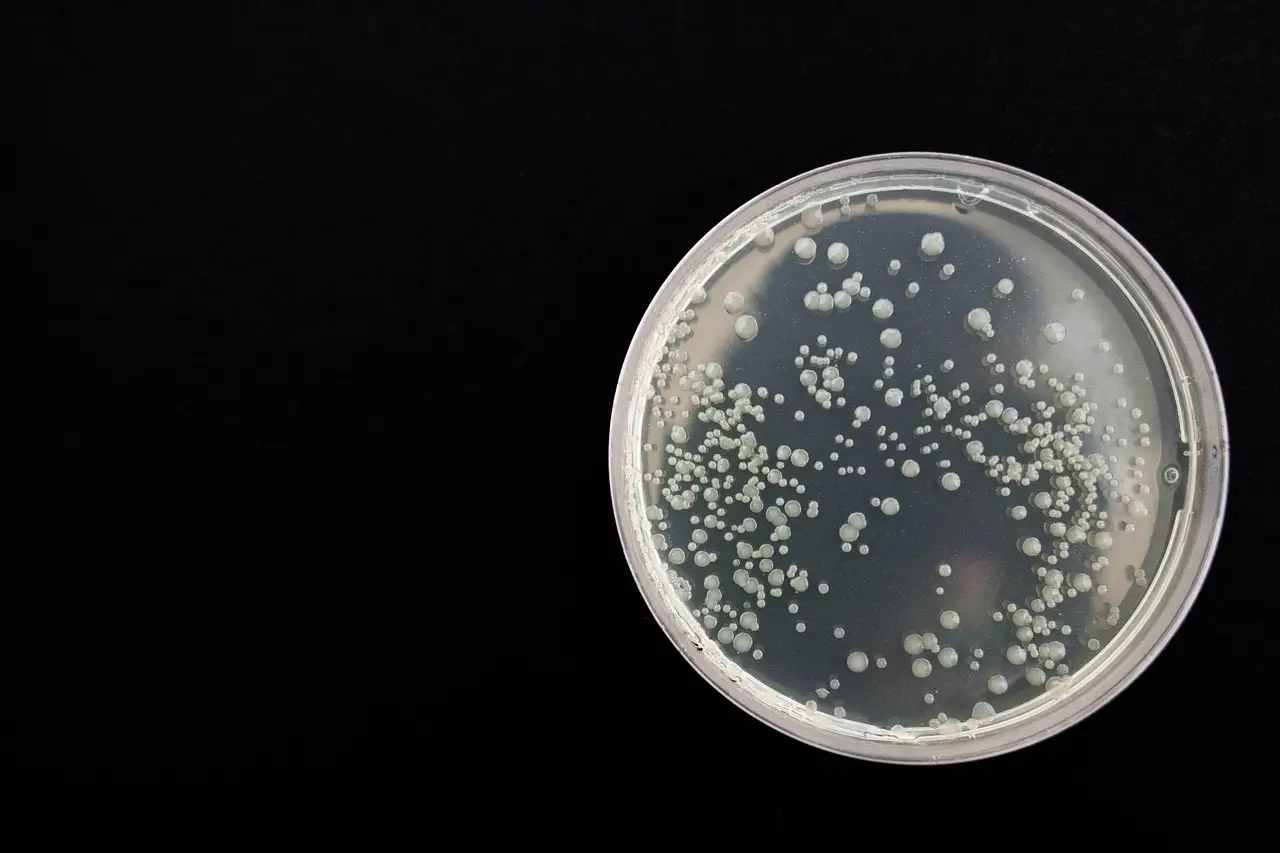
Engineered gut bacteria improved blood-glucose balance, lowered blood inflammatory markers and lessened the effects of metabolic liver disease in mice, according to a 2026 University of Chicago study.
The result came from a new genetic toolkit for Lachnospiraceae, a common but difficult-to-engineer bacterial family in the human gut microbiome—the community of microbes living there.
Researchers modified C. comes so the bacteria produced an extra immune protein that helps protect the gut lining, then tested the engineered microbes in mice with metabolic dysfunction-associated steatotic liver disease, or MASLD.
Mark Mimee, an assistant professor of microbiology and molecular engineering at UChicago and the study’s senior author, said: “We wanted to develop genetic tools to learn something about the biology of these microbes and why they might be so protective for health. Can we engineer additional features in them that might be used as a therapeutic?”
“This work is a proof of concept that opens the possibilities to engineer a whole family of microbes that has potential beneficial effects,” Mimee said.
The paper, “Engineering commensal Lachnospiraceae for programmable therapeutic delivery in the mouse gut,” appeared in Nature Microbiology in 2026. Jack Arnold is the first author. The paper’s DOI is 10.1038/s41564-026-02527-9.
What did the genetic toolkit change?
The toolkit lets scientists alter bacteria that are often harder to manipulate than easy-to-engineer laboratory strains. That matters because a gut-microbiome treatment may need more than live microbes in a capsule; some beneficial organisms require specific changes before they can deliver a desired effect.
Lachnospiraceae bacteria produce metabolites, which are small chemical compounds made by microbes. The research links these metabolites to intestinal and metabolic health. The new tools let researchers add functions, including production of an immune protein that supports the gut lining.
The available university summary does not name the added protein, explain its molecular pathway or specify the genetic method used to modify the bacteria. Those technical gaps limit how fully the result can be evaluated without the full paper.
In plain terms, researchers can give gut bacteria a new job and test whether that job helps.
What did the mouse experiment show?
The team gave engineered C. comes to mice with a model of MASLD. The study reported three main outcomes:
- Blood-glucose balance improved.
- Levels of blood inflammatory markers fell.
- The overall effects of MASLD diminished.
The available summary gives the direction of these effects but no numerical effect sizes, sample size, dose or treatment duration. Readers therefore cannot judge from the summary alone how large the benefits were or how long they lasted.
The experiment supports biological activity in a mouse disease model. It does not establish that the same bacteria would treat MASLD or another condition in people. That distinction matters.
The mouse test is encouraging, but it is early evidence rather than a human treatment result.
Why could the toolkit matter beyond one disease?
The wider goal is to add or restore microbes with health benefits that are missing from the gut. That approach can be complicated: a bacterium may carry useful traits yet struggle to be made, delivered through the gut or survive illness.
The new tools could make especially sensitive, potentially beneficial organisms more robust and easier to work with. Mimee said this could help researchers investigate why the bacteria are protective, how they compete with other microbes and how they first colonize, or establish themselves, in the gut.
He also said the team deliberately tried bacteria that were not easy to engineer rather than limiting itself to easier strains. He called that decision an element of bravery and said persistence allowed the organisms to gain additional health benefits.
The toolkit could reveal why beneficial microbes work, not just add one protein to them.
What do the results not prove?
The work tested mice, not people. The available report provides no evidence yet for safety, dosing, long-term use or benefit in patients, and it does not show that all members of Lachnospiraceae—or other bacterial families—will behave the same way.
Nor does the mouse result explain which part of the added immune protein produced the broader changes in glucose balance, inflammation and liver disease. The evidence supports continued testing, not a claim that the engineered bacteria are ready for therapeutic use.
Mimee framed the result as a proof of concept and said the group does not have a solution for every problem yet.
For now, the study shows a workable way to program gut bacteria, not a finished medicine.
via phys.org/rss-feed/ (Source)
More from Elena Vasquez
Show full bio
Correspondent covering money, funding and market shifts around general science news at SciBeat.
617 articles
Nearby plates
- IBD food reactions may stem from gut bacteria loss, study finds
- Gut-Repairing Drug Reverses Severe Fatty Liver Disease in Animals
- Gut Inflammation Can Damage the Heart — Through Microbes and Immune Cells
- Capsule of 16 Live Bacteria May Cut Infections After Stem Cell Transplants
- 'Unhealthy' Diets Made Immunotherapy Work Better — in Mice