Plate Nº 75 · recorded November 13, 2026
Chemistry & MaterialsReported finding
EPFL Team Builds a Sunlight-Powered Sheet That Splits Water Into Hydrogen
EPFL researchers built an organic semiconductor sheet that split water into hydrogen and oxygen for over two hours under simulated sunlight, with no external voltage — at about 0.1 percent efficiency.
By Marcus Bennett3 min read536 words
In brief
- An EPFL team's organic semiconductor sheet ran for more than two hours under simulated sunlight with no external voltage.
- Reported conversion efficiency was about 0.1 percent, leaving the system far from practical use.
- The sheet produced hydrogen and oxygen in the expected two-to-one ratio.
- The research was reported in Nature Energy.
- Patterned molecules beneath one light-absorbing layer let neighboring sheet regions drive both halves of water splitting.
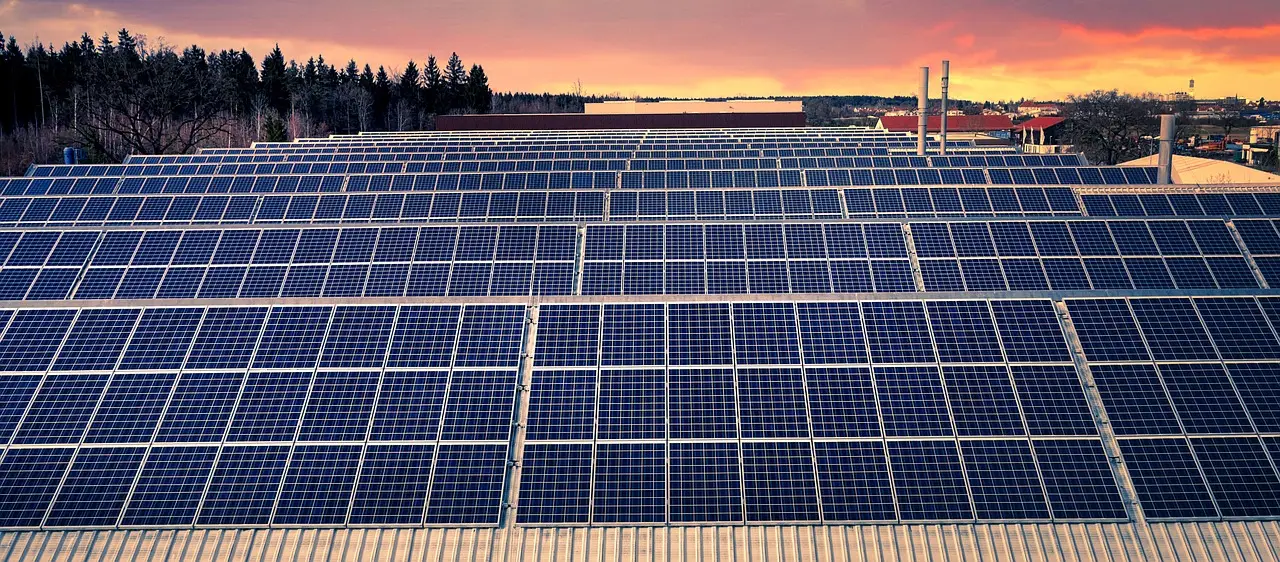
A paper-thin sheet of organic material has split water into hydrogen and oxygen for more than two hours under simulated sunlight, without any externally applied voltage — but at a conversion efficiency of only about 0.1 percent, researchers at EPFL in Switzerland report.
The team published its results in Nature Energy. The demonstration marks the first time a single organic semiconductor layer — a material that responds to light — has driven both halves of the water-splitting reaction in a patterned device, a job previously associated mainly with inorganic materials.
Hydrogen stores energy and burns as a fuel, yet producing it cleanly remains a major challenge. One attractive route uses sunlight directly to separate water into hydrogen and oxygen, instead of relying on electricity generated elsewhere. The EPFL sheet points toward a simpler version of that route.
How does the sheet work?
The device rests on a deceptively simple design choice. The same light-absorbing organic layer can help produce either hydrogen or oxygen, depending on which molecules sit beneath it.
That flexibility was the key advance. By arranging different underlying molecules in small patterns, the researchers made neighboring areas of a single sheet carry out the two sides of the water-splitting reaction simultaneously.
- One organic semiconductor layer absorbs light.
- Patterned molecules underneath steer each region toward hydrogen or oxygen production.
- Added catalyst materials help the chemical reactions proceed.
Tested under simulated sunlight, the sheet produced hydrogen and oxygen in the expected two-to-one ratio and ran for over two hours with no external electrical supply.
The takeaway: one patterned organic sheet can now do the work that once required separate inorganic setups.
How strong is the evidence?
The findings offer a useful starting point, but their practical meaning depends on further investigation and testing. The reported evidence supports a specific conclusion under the conditions studied; broader claims require independent tests, more observations, or demonstrations under different conditions.
Several open questions shape the next stage of research:
- Robustness. Researchers must show the materials survive sunlight, moisture and repeated use without rapidly losing performance.
- Safety. A working device must produce both gases while keeping them separate, since splitting water requires energy and mishandled gas mixtures pose risks.
- Comparison. The team will need to benchmark the approach against existing alternatives, identify possible sources of error, and establish which benefits remain at wider use.
The distinction matters: a promising research result is not the same as a fully established technology or explanation.
What changes for the field?
The experiment shows that organic semiconductors can perform a role long reserved for inorganic materials in solar-driven chemistry. Organic layers may also open manufacturing options useful for designing lightweight or patterned devices — a practical advantage for anyone building photo-reactors at scale.
The efficiency figure frames the gap. At roughly 0.1 percent, most incoming sunlight was not stored as hydrogen fuel, leaving the system far from a practical energy source.
The next challenge for researchers is threefold: improve efficiency, extend durability, and scale production methods — all while keeping the system affordable.
The work is a proof of concept, not a finished hydrogen generator. But it expands the possibilities for turning sunlight directly into fuel.
By Marcus Bennett, SciBeat
via knowridge.com (Source)
More from Marcus Bennett
Show full bio
News editor covering regulation, policy and their impact on general science news at SciBeat.
394 articles
Nearby plates
- A Crystal That Turns Sunlight and Water Into Clean Hydrogen
- Iodide Coating on Platinum Boosts Solar Hydrogen Output
- Sulfur-Powered Material Splits Water Into Hydrogen Using Sunlight
- MXene Photocatalyst Hits 200× Methane Yield with Polymer Shield
- Real-Time Oxygen Sensing Exposes Hidden Losses in Solar Water Splitting