Plate Nº 74 · recorded November 11, 2026
Health & Medicine ResearchReported finding
FDA Orders Vision-Loss Warning on Popular GLP-1 Weight-Loss Drugs
The FDA will require new labels on popular GLP-1 weight-loss and diabetes drugs, warning of a rare optic-nerve condition that can cause sudden, permanent vision loss in one eye.
By Priya Raman3 min read522 words
In brief
- The FDA is requiring drugmakers to add a warning about NAION, a rare eye condition, to GLP-1 medication labels.
- The FDA's analysis covered more than 125 clinical trials and found higher NAION rates among GLP-1 users.
- NAION causes sudden, painless vision loss in one eye, often noticed upon waking, and can be permanent.
- Key NAION risk factors — diabetes, high blood pressure, sleep apnea — overlap with reasons patients take GLP-1 drugs.
- Patients with sudden vision changes should contact a doctor immediately and should not stop medications without consulting a provider.
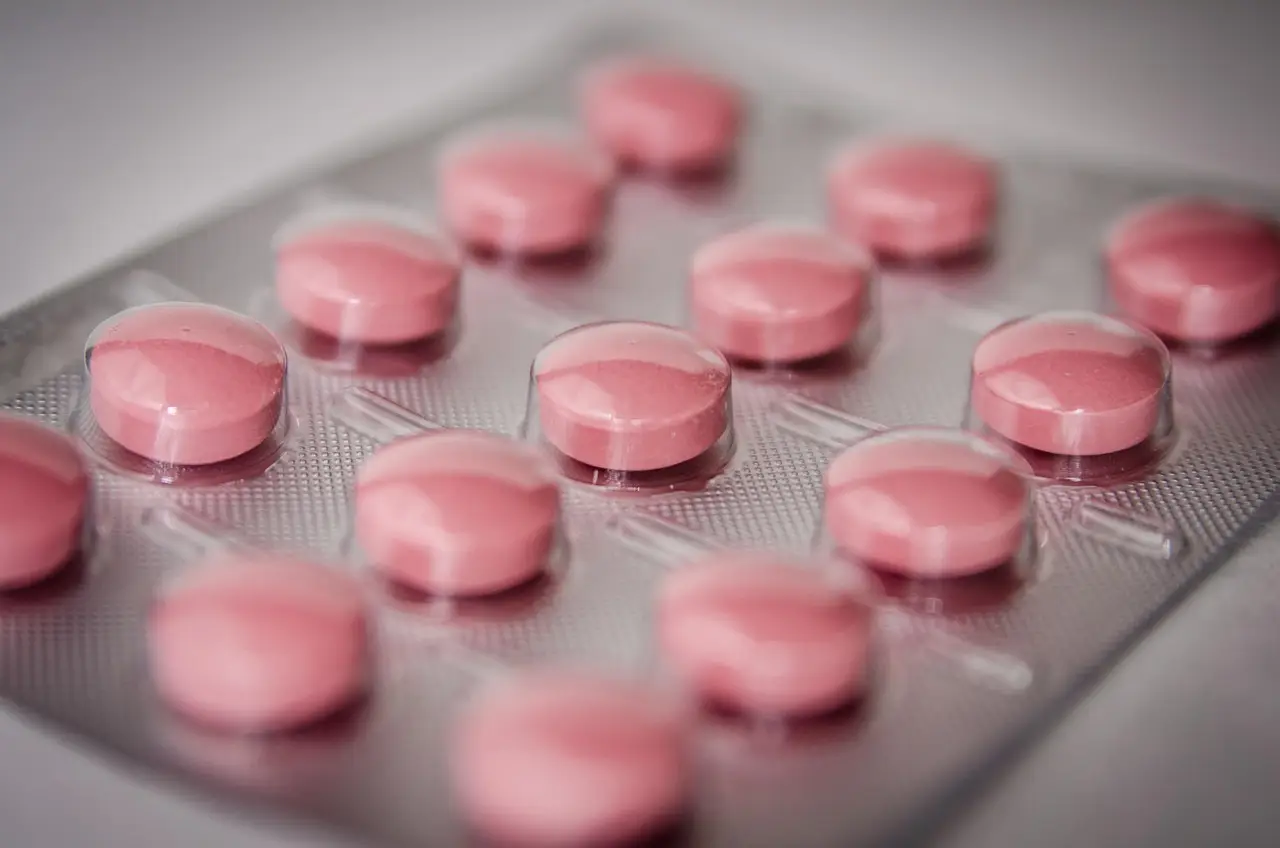
The U.S. Food and Drug Administration is requiring drugmakers to add a new warning to the labels of popular GLP-1 medications, alerting patients and doctors to a potential increased risk of a rare eye condition that can cause permanent vision loss.
The decision, announced by federal health regulators, follows reports of a small number of cases among patients using currently marketed GLP-1 receptor agonists — a class of drugs widely prescribed for weight management and type 2 diabetes. The FDA reached its conclusion after an analysis covering more than 125 clinical trials, in which it identified higher rates of the condition among patients receiving GLP-1 drugs compared with those who were not.
What is the condition behind the warning?
The condition is called non-arteritic anterior ischemic optic neuropathy, or NAION — a disorder in which blood flow to the optic nerve (the bundle of nerve fibers that carries visual information from the eye to the brain) becomes restricted or blocked.
NAION typically announces itself without warning. Patients most often experience sudden, painless vision loss in one eye, and many first notice the change upon waking. The condition can also produce blurred, hazy, or distorted vision. In its severest form, the vision loss is permanent.
The numbers at the center of the FDA's review are large even though the condition itself is rare. Regulators examined data from more than 125 clinical trials before determining that rates of NAION ran higher among GLP-1 users than among comparison groups.
Why is the link difficult to prove?
Pinpointing the exact connection between the drugs and the eye condition remains complex, and this is the central caveat in the FDA's action.
The key risk factors for NAION include:
- diabetes
- high blood pressure
- sleep apnea
Those health conditions closely overlap with the underlying reasons many patients are prescribed GLP-1 medications in the first place. In other words, the people most likely to be taking these drugs are also, independently of the drugs, among those most susceptible to NAION. That overlap makes it harder for researchers to separate the effect of the medication from the effect of the conditions it treats.
The warning label requirement is therefore a precautionary step built on preliminary signal detection rather than established proof of causation, and the small number of reported cases underscores how uncommon the condition remains.
What should patients do now?
Health officials advise anyone taking a GLP-1 drug who experiences sudden changes in vision to contact a doctor immediately. Because NAION often strikes without pain and can progress to lasting damage, speed matters.
Patients should also consult their healthcare provider before stopping or adjusting any prescribed medications. Regulators did not call for withdrawal of the drugs; the action is limited to updating labels so that the potential risk is visible to prescribers and patients.
For now, the warning stands as a reminder that even the most widely used medications carry rare risks — and that the FDA's continuing surveillance of more than 125 trials' worth of evidence is how such signals come to light.
Vision lost to NAION does not reliably return.
via wbrz.com (Source)
More from Priya Raman
Show full bio
Senior reporter covering people, launches and day-to-day practice in general science news at SciBeat.
342 articles
Nearby plates
- Ozempic and Wegovy Linked to Rare Risk of Sudden Vision Loss
- Stanford Medicine: 1 in 10 People May Resist GLP-1 Diabetes Drugs
- Quitting Ozempic for Two Years Raises Heart Risk by 22%
- Cleveland Clinic Examines What Happens After GLP-1 Discontinuation
- GLP-1 Diabetes Drugs Appear Safe in Pregnancy, Review Finds