Plate Nº 27 · recorded November 13, 2026
Biology & EvolutionReported finding
Fearlessness in the Genes: Working German Shepherds Differ From Show Dogs
Working-line German shepherds in Sweden are more curious and less fearful than show-line dogs, and the difference is visible in their genes, according to a new Uppsala University study.
By Priya Raman4 min read707 words
In brief
- Study analyzed behavior data from about 23,000 Swedish German shepherds and genomes of 373 dogs
- Working-line German shepherds showed less fear and more curiosity than show-line dogs
- Some genes linked to dog behavior were previously associated with neuroticism in humans
- Published in Animal Genetics (2026), DOI: 10.1002/age.70221, by Uppsala University and SLU researchers
- Larger follow-up studies with the Swedish Armed Forces are planned
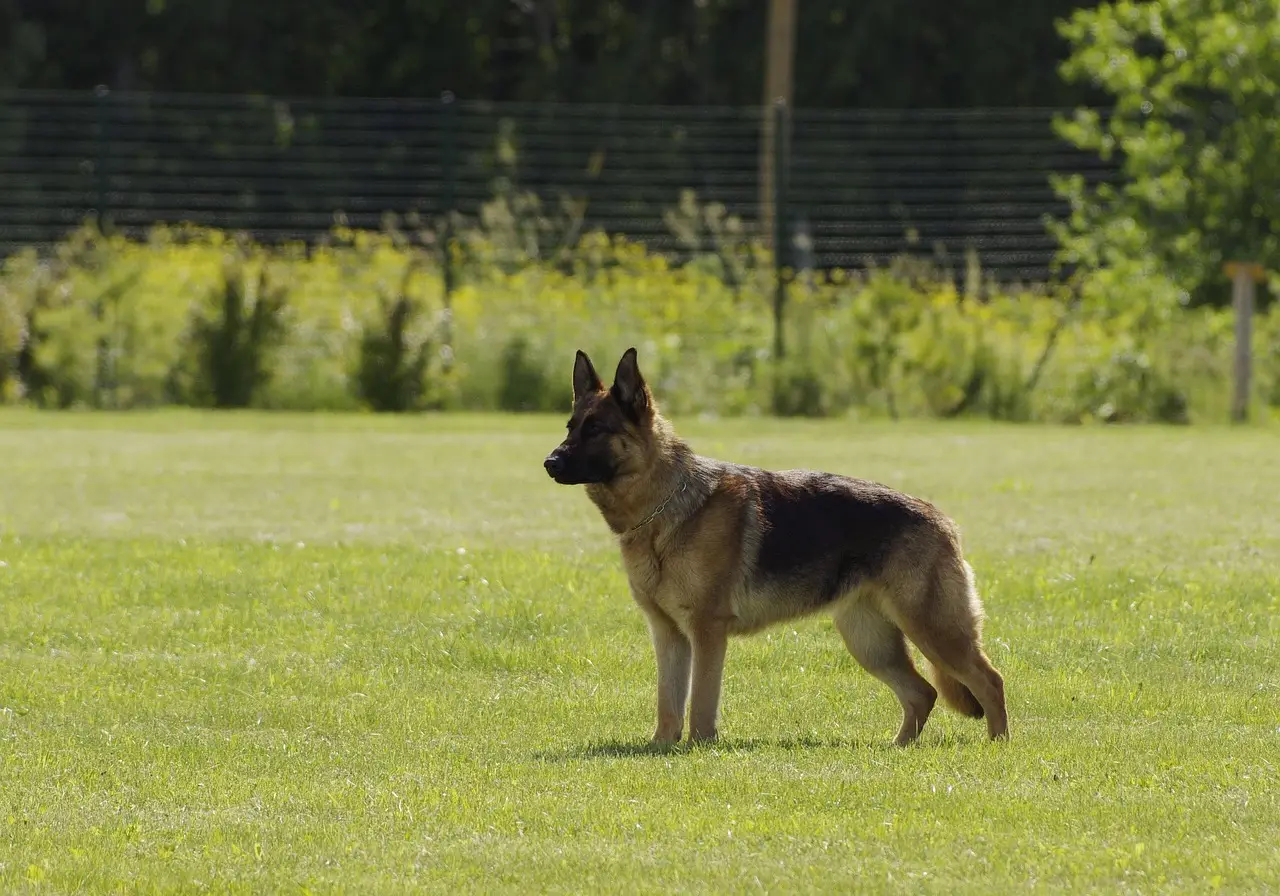
Working-line German shepherds are measurably more curious and less neurotic than their show-bred counterparts — and the difference is written not only in their behavior but in their DNA. A new study from Uppsala University and the Swedish University of Agricultural Sciences, published in the journal Animal Genetics, examined data from roughly 23,000 German shepherds in Sweden and found that the national population divides into two distinct groups: one bred primarily for appearance in the show ring, and one bred for functional roles as working dogs.
For a breed that serves in the police force and the defense forces, such traits are far from cosmetic. Selecting dogs with the right temperament is difficult and costly, and a clearer understanding of the genetics underlying behavior could make breeding programs more precise.
The finding carries an unexpected human dimension. Several of the genes the researchers linked to curiosity and playfulness in dogs have, in previous studies, been associated with neuroticism in humans.
How do you measure a dog's personality?
The team, combining the expertise of ethologists (scientists who study animal behavior) and geneticists, relied on a standardized test known as the Dog Mentality Assessment, or DMA. The test confronts each dog with a series of situations — an invitation to play, threatening ghost-like figures, and handling by a stranger — and records how the animal responds. Today the majority of German shepherds in Sweden undergo the DMA, which gave the researchers an unusually large behavioral dataset of about 23,000 dogs.
The results were consistent. Åke Hedhammar, professor emeritus at the Swedish University of Agricultural Sciences, said: "We could see that, on average, the working dogs showed less fear and more curiosity and were able to socialize well with humans. This shows how important it is to select for behavior when selecting dogs for breeding for important functional roles in our community."
What did the genome reveal?
Behavior descriptions alone could not settle the question of whether the split between working and show lines ran deeper than training. So the researchers took blood samples from 373 German shepherds that had completed the DMA and mapped their genomes.
The comparison surfaced genomic regions that varied according to how curious or playful the dogs were. Kerstin Lindblad-Toh, professor of comparative genomics at Uppsala University and one of the study's leaders, said: "That meant that we were able to identify some of the genes in working dogs that are linked to curiosity and playfulness."
The selection, she noted, was no accident. "Breeders of working dogs have selected and bred the ones that really enjoy working; it's a bit like a game for them," Lindblad-Toh said. "It's interesting that we can now see that this selective breeding has indeed led to differences between working dogs and show dogs among German shepherds — differences that can be seen at both the behavioral and genetic levels."
Why does this matter for humans?
The overlap with human genetics is the study's most intriguing thread. Researchers have long found links between genes and behavior in people, and some of the genes now tied to German shepherd temperament were previously associated with neuroticism in humans.
"So we now have an example of how we might also acquire more knowledge about different behaviors in people with the help of dogs in the long term," Lindblad-Toh said.
That prospect remains distant, and the researchers are careful about it. Behavior is not governed by single genes; it emerges from a complex interaction among many of them. The current results identify candidate regions, not a deterministic code for courage or anxiety.
What comes next?
In collaboration with the Swedish Armed Forces, the team now plans larger studies to map the genetics of behavior more completely. The eventual goal is practical: identifying which dogs have the best prospects of becoming good working dogs, and which should be chosen for breeding.
Hedhammar urged patience. "But we are not there yet," he said. "This study is just a first step and shows that there are actually clear differences in behavior between working German shepherd dogs and German shepherd show dogs."
The paper, by Voichita D. Marinescu and colleagues, appears in Animal Genetics (DOI: 10.1002/age.70221).
via phys.org/rss-feed/ (Source)
More from Priya Raman
Show full bio
Senior reporter covering people, launches and day-to-day practice in general science news at SciBeat.
368 articles
Nearby plates
- Toddler temperament linked to common DNA variations in study of 78,894 children
- Dog Blood Study Finds Shared Aging Markers With Humans
- Old Dogs Could Help Scientists Crack Alzheimer's
- Jumping Genes May Explain Why Big Dogs Age Faster and Die Younger
- Largest cognition genetics study raises rare-variant gene list to 26