Recorded November 20, 2026
Earth & ClimateReported finding
Fiji and Tonga Declare Drought Disasters as El Niño Bites
Fiji declares a nationwide disaster and Tonga a 27-day state of emergency as an El Niño forecast to be among the strongest on record dries up island water supplies.
By Marcus Bennett4 min read839 words
In brief
- Fiji declared a nationwide disaster after its government said the El Niño drought reached crisis thresholds.
- Tonga declared a 27-day state of emergency over water shortages.
- Experts expect the current El Niño to become one of the most powerful on record.
- Scores of trucks have been dispatched to resupply parched Fijian villages.
- Fiji's emergency measures allow water rationing, forced evacuations and reallocation of public funds.
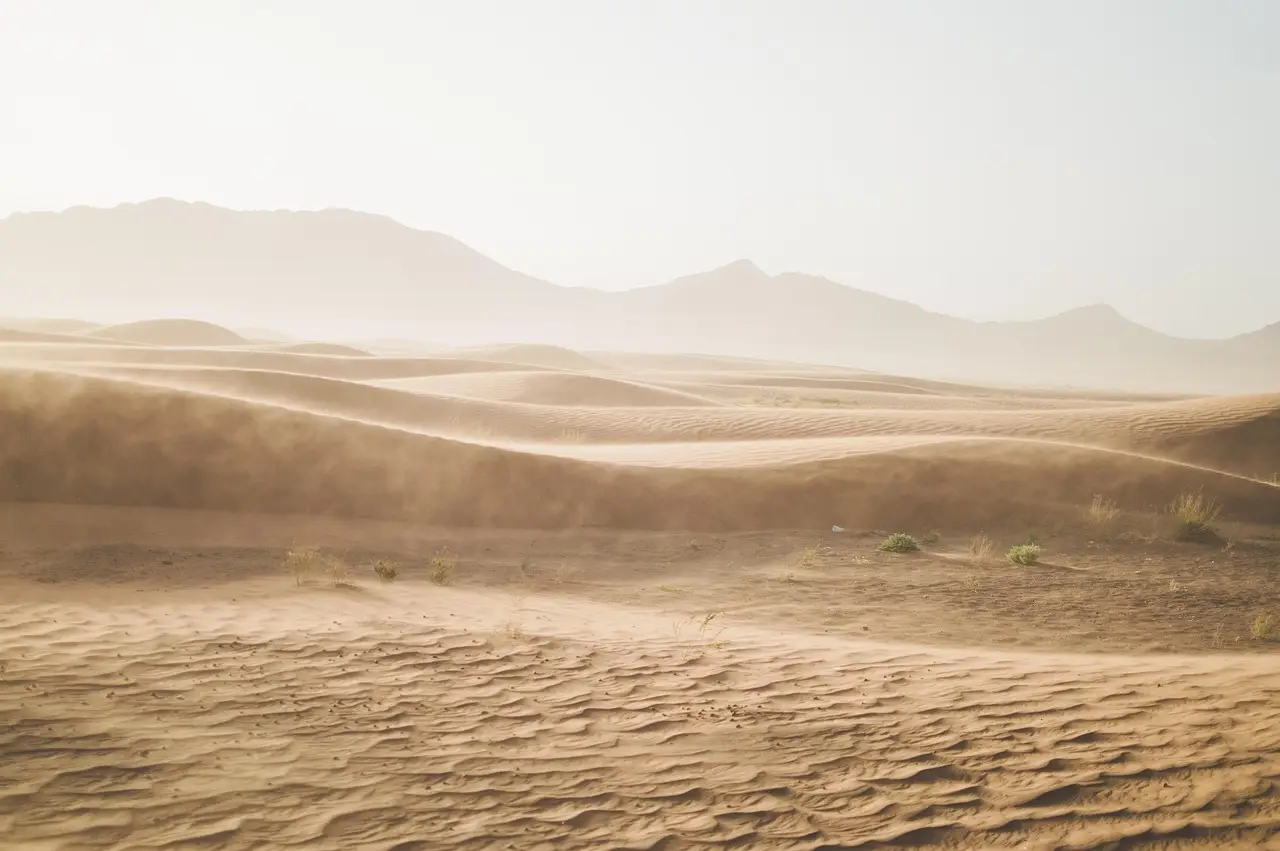
Fiji has declared a nationwide disaster and Tonga a 27-day state of emergency, as severe droughts driven by the El Niño weather pattern push water supplies across the South Pacific to what officials call crisis thresholds.
The Fiji government said "the ongoing El Niño drought has reached crisis thresholds," prompting the formal disaster declaration. Water sources across much of the country have dropped to worrying levels, local media reported, and scores of trucks have been dispatched to resupply parched villages.
The twin declarations mark the sharpest escalation yet in a drying event that experts warn could become one of the most powerful El Niño episodes on record.
What does El Niño actually do to island rain?
El Niño warms surface waters in parts of the Pacific Ocean, and that warming reorganizes wind, heat and rain patterns worldwide. For tropical Pacific islands, the effect is brutally specific: the phenomenon dries up the rains that normally keep the islands lush and green.
Drought in this region is strongly linked to the El Niño pattern, which is why two governments moved within the same period to formalize emergency responses. When the rains fail on small islands, there is no hinterland to draw from — reservoirs shrink, groundwater drops, and delivery by truck becomes the lifeline.
In short: the same ocean that surrounds these countries is, in El Niño years, the thing starves them of rain.
What powers does Fiji's declaration unlock?
A nationwide disaster declaration is not symbolic. Under the emergency measures, the Fiji government can now:
- ration water;
- force evacuations;
- reallocate public funds to disaster assistance.
Those powers matter because the drought is hitting both households and the agricultural economy at once. Prime Minister Sitiveni Rabuka, speaking on Wednesday, framed the crisis in deliberately concrete terms.
"Families across Fiji are concerned about the availability of water and the impacts of prolonged dry conditions on their daily lives," Rabuka said. "Farmers are worried about their crops and livestock. These concerns are real."
The trucking operation underscores the gap between supply and need. Villages that normally rely on local sources now depend on convoys of tankers, a logistics burden that grows heavier the longer the dry spell lasts.
Rabuka also struck a note of managed expectations — an acknowledgement that no national government can switch the rain back on.
"We cannot control the climate, but we can act early, use our resources responsibly and stand together through its impacts," he said.
The takeaway: Fiji has traded normal budgeting and water rules for emergency powers, because the ordinary systems can no longer guarantee supply.
What is Tonga doing differently?
Tonga's response carries a clock on it. The government declared a 27-day state of emergency covering water shortages across the country, a defined window in which emergency rules apply.
Acting Prime Minister Viliami Latu said the declaration exists to help emergency services coordinate and deliver drought assistance — in practice, giving responders a legal framework to move water and aid quickly.
"Recent reports have shown the devastating impacts on people, water resources, agriculture and livestock, with potential consequences for the health of people across Tonga," Latu said, according to local media.
That last point deserves attention. Livestock losses and failed crops are economic damage, but officials are also watching for health consequences — drought on small islands tends to compound, from sanitation strain to food scarcity, before it shows up in hospitals.
The takeaway: Tonga has given itself a fixed 27-day emergency toolkit aimed squarely at getting water and assistance to communities fast.
How unusual is this El Niño?
Experts have warned that the current El Niño is expected to become one of the most powerful on record. That forecast is the reason both governments acted now rather than waiting for the dry season to deepen.
A stronger El Niño does not merely mean less rain — it means a longer and broader disruption of the rain systems island agriculture and water infrastructure were built around. Crop and livestock concerns, raised by both leaders, reflect that exposure: farming on Pacific islands is calibrated to regular tropical rainfall, and prolonged dry conditions break that calibration.
It also explains the early declarations. Both Rabuka and Latu framed their moves as early action, not reaction — using emergency powers while resources can still be positioned, rather than after systems fail.
The takeaway: forecasters expect a historically strong event, and both governments are spending authority and money up front to avoid a worse bill later.
What comes next
For now, the practical signs to watch are the tankers on Fiji's roads, the coordination under Tonga's 27-day window, and whether the El Niño forecast holds. Rationing and evacuations remain available to Fiji under its declaration, but neither government has reported using them at scale so far.
Both leaders have asked citizens to treat water as a shared, stretched resource.
Two island nations have declared emergencies for the same ocean-driven drought, and the strength of this El Niño will decide how long those emergency rules stay in force.
via phys.org/rss-feed/ (Source)
More from Marcus Bennett
Show full bio
News editor covering regulation, policy and their impact on general science news at SciBeat.
604 articles
Nearby plates
- Strongest El Niño on Record Meets a Changed California Climate
- Researchers Warn 2026–27 Super El Niño Could Hit Food and Health
- NASA Satellites Track What May Be the Strongest El Niño Since 1950
- NOAA Puts Odds of a Strong El Niño at 83% — and Two Systems May Fail Together
- Record El Niño intensifies Pacific storms, extends risk into 2027