Plate Nº 28 · recorded November 17, 2026
Health & Medicine ResearchReported finding
Google AI Smartwatch System Beats Office Cuff at Catching Hypertension
A Google AI system paired with a consumer smartwatch detected 65.8 percent of hypertension cases, beating office cuff readings in a 196-person Nature study.
By Elena Vasquez4 min read769 words
In brief
- Google's AI smartwatch system detected 65.8 percent of hypertension cases versus 55.3 percent for office cuff readings.
- The model was trained on nearly 500,000 hours of sensor data from 2,109 people and tested on 196 participants over seven days.
- The study was published in Nature with Beth Israel Deaconess Medical Center and Harvard Medical School.
- Apple's FDA-cleared Hypertension Notification Feature misses about 59 percent of undiagnosed high blood pressure cases, per Apple's own validation data.
- Heart disease killed more than 900,000 people in the U.S. in 2023; about four in ten people with hypertension don't know they have it.
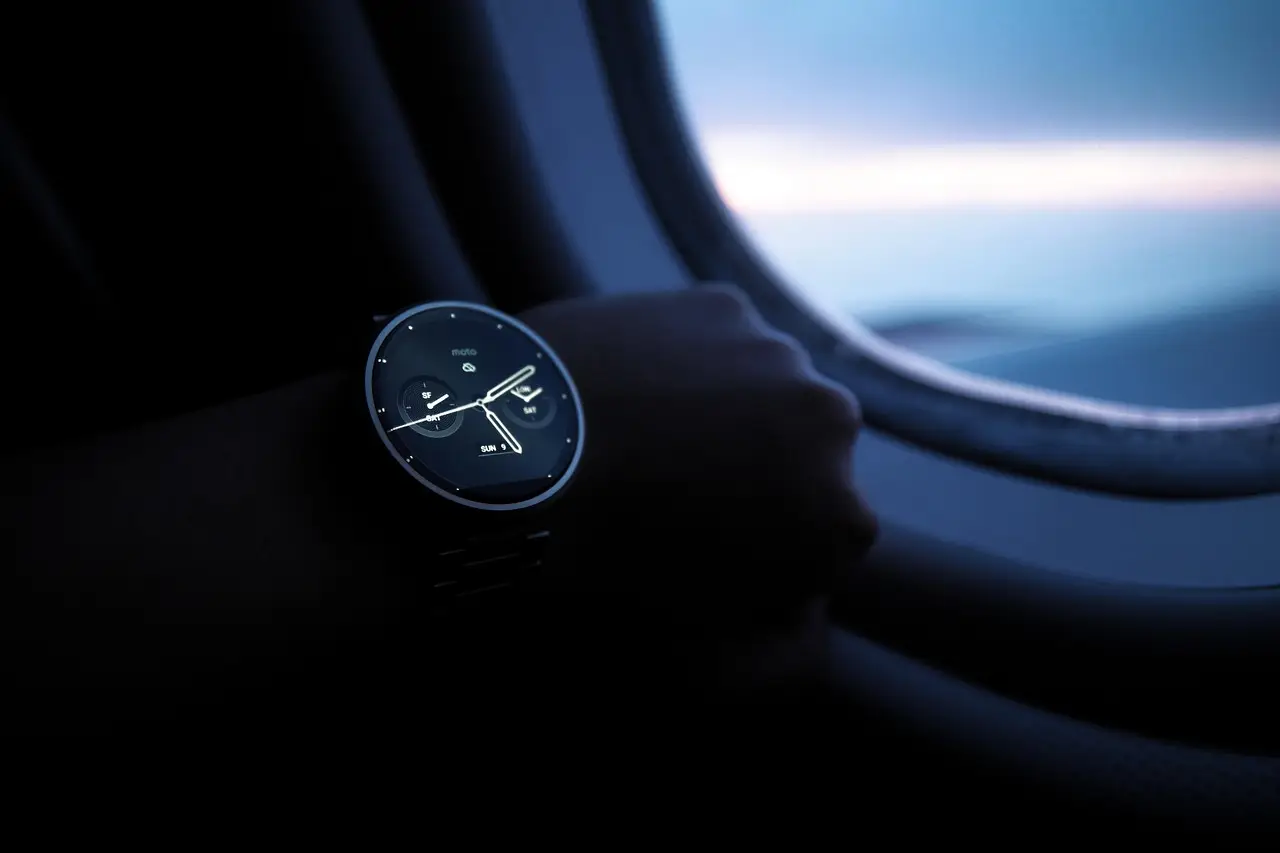
A new Google AI system paired with a consumer smartwatch detected hypertension in 65.8 percent of people who actually had it — outperforming the 55.3 percent caught by a standard office blood pressure cuff in the same study. The research, published in the journal Nature by scientists at Google and a clinical partner from Beth Israel Deaconess Medical Center and Harvard Medical School, could shift how one of America's most under-diagnosed conditions gets spotted.
Hypertension — chronic high blood pressure — is a leading risk factor for heart disease, which killed more than 900,000 people in the U.S. in 2023. Roughly half of Americans likely have hypertension, and an estimated four in ten of them don't know it, partly because the condition often shows no clear symptoms. That invisible, spotty-screened profile is exactly what makes always-on wrist sensors an attractive detection tool.
How does the system work?
It uses two sensors already built into many consumer smartwatches. The optical pulse sensor, which tracks changes in blood volume at the wrist, captures the shape of each pulse wave. The accelerometer picks up the faint physical vibrations at the wrist each time the heart ejects blood into the aorta — the body's largest artery.
The AI cuts those signals into 5-second waveform snippets and converts them into numerical summaries, which Google calls an "embedding." Because a single moment-in-time measurement risks environmental noise that skews results, the system aggregates readings across several days of wear to establish a person's persistent state. It factors in the wearer's height, then feeds everything into a statistical classifier that outputs the probability the person has hypertension.
Google trained the model on nearly 500,000 hours of sensor data from 2,109 people. The takeaway: pairing days of passive wrist data with AI can flag a hidden condition without a cuff.
How well did it perform?
The team tested the system on 196 participants over seven days of real-world monitoring. They checked results against 24-hour ambulatory blood pressure monitoring — a wearable cuff device the researchers call the "gold standard" in the field. The AI smartwatch system caught 65.8 percent of confirmed hypertension cases. That beats the 55.3 percent sensitivity of initial office cuff readings in the study, but it still missed about a third of cases.
"Taken together, the results show that our system can detect hypertension with accuracy levels comparable to traditional cuffed BP devices in the existing clinical framework," Google notes.
Still, promising numbers come with clear caveats. The findings are preliminary, the sample was modest, and the researchers themselves advise against treating the tool as a substitute for a doctor. Sensitivity of 65.8 percent means roughly one in three people with hypertension walks away undetected.
Why does this build on the Apple Watch?
Context matters here. The FDA cleared Apple Watch's Hypertension Notification Feature last year, and some saw it as a turning point — passive alerts from optical sensors instead of doctor visits with a bulky arm cuff. But Apple's own validation data showed the feature misses around 59 percent of people with undiagnosed high blood pressure.
Worse, a study from the University of Utah and the University of Pennsylvania warned that the absence of an alert could give wearers a false sense of security, making them less likely to get a proper cuff screening. The feature isn't necessarily harmful, but it isn't a medical silver bullet either.
Google's system builds on Apple's approach by adding the accelerometer to the optical sensor, capturing heartbeat vibrations Apple's feature doesn't use. That extra signal stream, plus multi-day data aggregation, appears to close some of the accuracy gap. The takeaway: adding motion sensing to light sensing measurably improved detection.
What happens next?
"By gently prompting at-risk individuals to step into a clinic for formal assessment, this technology holds the potential to significantly close the global awareness gap and catch hypertension before it causes permanent cardiovascular damage," Google researchers wrote in a blog post.
Both Google and the medical researchers stress the system is not a complete replacement for clinical blood pressure monitoring. Seeing an actual doctor isn't going away anytime soon. But if it becomes widely accessible, the tool could nudge more people toward getting checked — and hypertension is very treatable when caught early.
The takeaway in plain words: this AI wrist system catches more hidden hypertension than an office cuff, misses about a third of cases, and works best as a prompt to see a clinician — not a diagnosis.
via popsci.com (Source)
More from Elena Vasquez
Show full bio
Correspondent covering money, funding and market shifts around general science news at SciBeat.
503 articles
Nearby plates
- AI Search Tools Give Unreliable Answers on Blood Pressure Monitor Validation
- Letting Your Arm Hang During a Blood Pressure Check Can Add 6.5 mmHg
- Masked High Blood Pressure Linked to 70% Higher Fall Risk in Adults Over 78
- Wrist Sensor Beats Clinicians at Tracking Stroke Recovery
- Top Blood Pressure Number Under 130 May Protect Aging Hearts