Plate Nº 85 · recorded November 13, 2026
Health & Medicine ResearchReported finding
Top Blood Pressure Number Under 130 May Protect Aging Hearts
A six-trial review finds adults over 60 with systolic pressure below 130 had fewer heart attacks, strokes and heart failure events than those at 140-plus, though death rates showed no clear difference.
By Elena Vasquez3 min read648 words
In brief
- A review of six clinical trials found fewer major heart events in adults over 60 with systolic pressure below 130 versus 140 or higher
- Serious events tracked included heart attacks, strokes and heart failure
- No clear difference emerged between groups in deaths from heart disease or any cause
- The study was led by Yuling Yan and published in Cardiovascular Innovations and Applications
- Researchers advise individualized treatment; over-lowering pressure can cause dizziness and falls
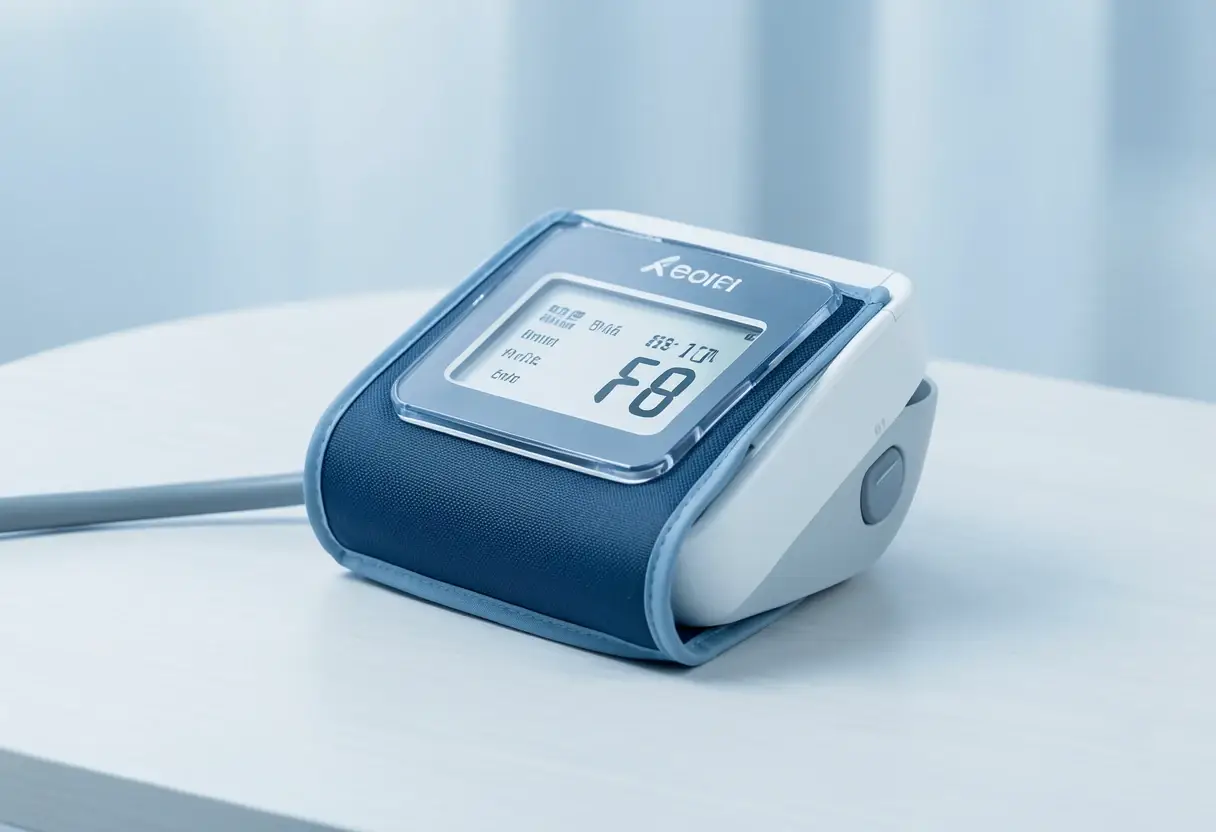
Adults over 60 who keep their top blood pressure number below 130 may cut their risk of heart attacks, strokes and heart failure. That's the central finding of a review of six clinical trials led by researcher Yuling Yan, published in the journal Cardiovascular Innovations and Applications.
The analysis compared older adults whose systolic pressure — the top number in a reading like 130 over 80 — fell below 130 against two other groups: those with readings of 130 to 139, and those at 140 or higher. The below-130 group had fewer major heart and blood vessel problems than the 140-or-higher group.
What did the study actually measure?
Blood pressure readings have two numbers. The top one shows pressure when the heart beats; the bottom one shows pressure when the heart rests between beats. High blood pressure means blood pushes too hard against vessel walls.
The researchers pooled results from six trials involving older adults with hypertension, the medical term for persistently high blood pressure. They tracked serious outcomes: heart attacks, strokes, heart failure and other major cardiovascular events.
The verdict was clear on one point. Fewer major events hit the below-130 group compared with people at 140 or above.
But the picture gets murkier on mortality. The researchers found no clear differences between the groups in deaths from heart disease or from any cause. In plain words: tighter control looked better for avoiding illness, but the data didn't prove it keeps more people alive.
Why does the target number matter?
Doctors have long known that lowering high blood pressure reduces the risk of stroke and heart disease. The open question is how low to aim, especially for older people who may be more sensitive to medication.
Aging plays a role here. Blood vessels often stiffen with age, which makes high blood pressure more common after 60. The condition usually causes no obvious symptoms, yet over time it quietly damages the heart, brain, kidneys and blood vessels.
That silent damage is why researchers keep probing for the right target number. Push too low, and problems can follow.
What are the limits and risks?
Aggressive lowering isn't free of cost. Dropping blood pressure too far can cause dizziness, falls or other side effects, especially in people taking several medicines. The study's authors stress that a single number isn't right for everyone.
Kidney health, other medical conditions and how a person actually feels during treatment all matter when doctors set an individual goal. The researchers say a top number below 130 could be a useful target for many adults aged 60 and older — but treatment should be tailored to each person.
One warning deserves emphasis. People should not change their blood pressure medicines without talking to their doctor first. The findings are suggestive, not a prescription for self-treatment.
The study also has inherent limits. It's a pooled analysis of existing trials rather than a single new experiment, and it couldn't account for every difference between participants. Preliminary findings like these support discussion, not drastic action.
What can older adults do now?
Regular blood pressure checks remain the simplest tool. They show whether current treatment is working and catch drift before it causes harm.
Beyond medication, several everyday habits support healthier blood pressure as people age:
- Eating less salt
- Staying physically active
- Avoiding smoking
- Following the treatment a doctor has prescribed
Related research points the same direction. A separate study found that a simple home blood pressure monitoring program may cut stroke risk, while other work links specific foods — including beetroot juice and vitamin D in certain older adults — to better blood pressure.
The takeaway in one sentence: for many people over 60, a top number under 130 looks like a reasonable goal, but it's a decision to make with a doctor, not a rule to force on every body.
via knowridge.com (Source)
More from Elena Vasquez
Show full bio
Correspondent covering money, funding and market shifts around general science news at SciBeat.
411 articles
Nearby plates
- Aggressive Blood Pressure Targets Show No Clear Heart Benefit in Diabetes Trial
- Letting Your Arm Hang During a Blood Pressure Check Can Add 6.5 mmHg
- Nearly 6 in 10 People with Hypertension in England Are Undiagnosed
- Masked High Blood Pressure Linked to 70% Higher Fall Risk in Adults Over 78
- AI Search Tools Give Unreliable Answers on Blood Pressure Monitor Validation