Plate Nº 94 · recorded October 10, 2026
Health & Medicine ResearchReported finding
Gut Bacteria Compound Activates a Hidden Intestinal Repair System
A September 2026 Nature Communications study shows urolithin A, a compound gut bacteria produce from pomegranates and berries, activates a hidden repair pathway that could guide new IBD treatments.
By James Calloway3 min read616 words
In brief
- Study published September 17, 2026 in Nature Communications, DOI 10.1038/s41467-026-73760-3
- Compound urolithin A is produced by gut bacteria from pomegranates, walnuts, and berries
- UroA activates the AHR receptor specifically in intestinal epithelial cells, triggering the NLRP6 inflammasome
- Led by Venkatakrishna Rao Jala at the University of Louisville's Brown Cancer Center
- Mechanism tested in cell studies, organoid models, and intestinal tissue samples from IBD patients
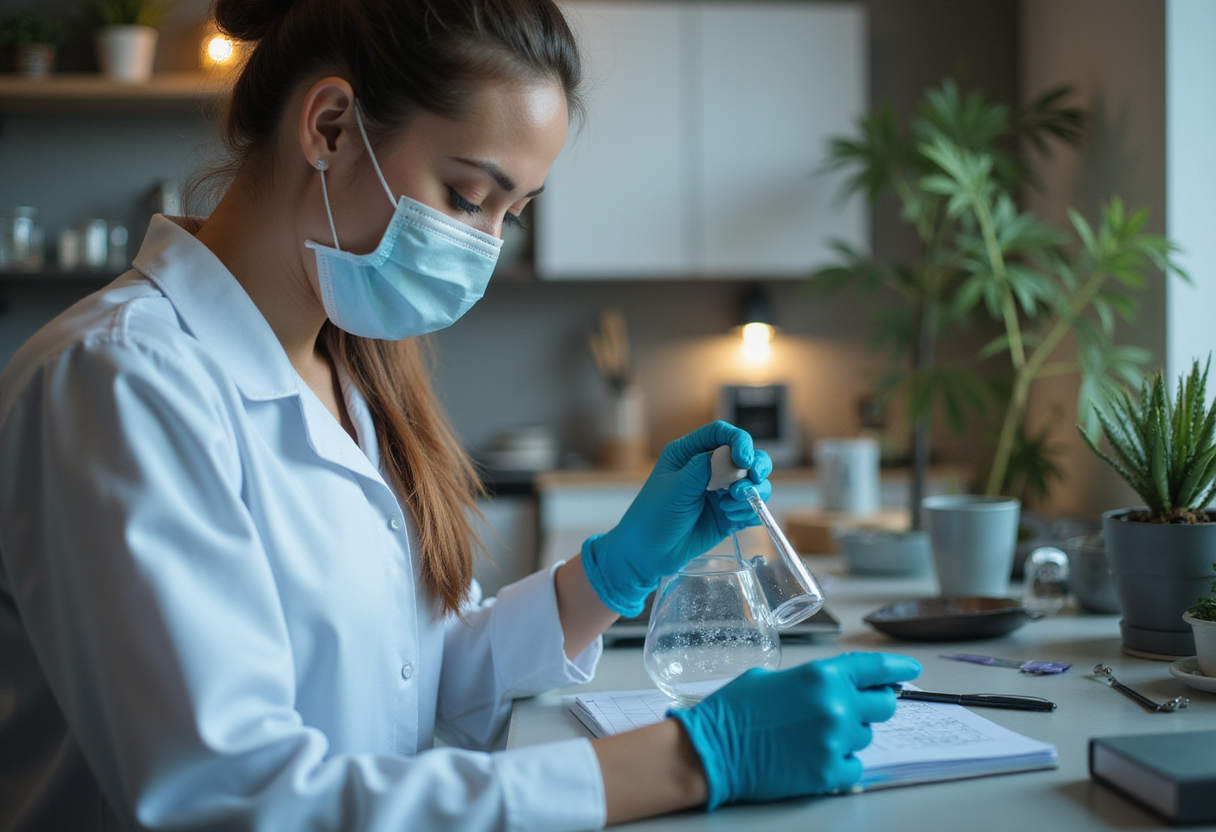
A study published September 17, 2026 in Nature Communications identifies how a compound produced by gut bacteria after people eat pomegranates, walnuts, and berries can switch on a hidden repair system in the intestine. The finding could open new treatment avenues for inflammatory bowel disease (IBD).
Researchers at the University of Louisville focused on urolithin A, or UroA, a microbial metabolite that gut bacteria generate during digestion of those foods. Their experiments show that UroA selectively turns on the aryl hydrocarbon receptor (AHR), a sensor responding to diet, environment, and microbes, inside intestinal epithelial cells. Those cells form and protect the gut lining.
When UroA activates AHR in these specific cells, it triggers a cellular defense system called the NLRP6 inflammasome. Inflammasomes usually drive damaging inflammation. The Louisville team found NLRP6 can also play a protective role under the right conditions, prompting the release of molecules that repair the gut lining, reinforce the intestinal barrier, increase protective mucus, and strengthen antimicrobial defenses.
What did the researchers actually discover?
Scientists have known for years that AHR contributes to harmful effects when activated by certain environmental toxins. Earlier research also suggested that beneficial dietary compounds can activate the same receptor to support intestinal health. Until now, researchers had not fully understood why the outcomes could differ so much.
The new study points to two factors: the location and the strength of AHR activation. Selectively activating AHR in intestinal epithelial cells through UroA produces protective effects rather than inflammatory damage.
How strong is the evidence?
The team tested the mechanism across several experimental systems:
- Cell studies
- Organoid models (miniature lab-grown gut tissues)
- Intestinal tissue samples from patients with IBD
In human tissue samples, UroA activated the same protective pathway observed in the other experiments.
Lead investigator Sweta Ghosh, previously a postdoctoral researcher in the Jala laboratory, framed the discovery as a reframing of inflammation itself. "The findings show that not all inflammatory pathways are harmful," she said. "Under the right conditions and in the right cells, these pathways can play an essential role in maintaining gut health and supporting tissue repair."
Could this lead to new IBD treatments?
The work raises the possibility that future IBD therapies could target specific protective pathways in selected cell types, rather than broadly suppressing the immune system. Senior author Venkatakrishna Rao Jala, an associate professor in the Department of Microbiology and Immunology and UofL's Brown Cancer Center, said the goal is precision over suppression.
"This study helps us better understand how natural compounds produced through interactions between diet, gut microbes and the body can influence disease processes," Jala said. "By identifying this specific protective pathway, we may be able to develop more targeted therapeutic approaches that restore intestinal balance instead of broadly suppressing immune responses."
What is IBD and why does it matter?
IBD includes Crohn's disease and ulcerative colitis, conditions that affect millions of people worldwide. Both involve persistent inflammation and damage to the intestinal lining. In healthy people, the gut barrier allows nutrients through while preventing harmful bacteria from escaping. In IBD, that barrier breaks down, driving inflammation, pain, and long-term complications.
Jala's earlier work identified the beneficial effects of UroA in the gut. The new study builds on those findings by explaining more precisely how the compound interacts with the immune system to support intestinal health.
The researchers describe their findings as the first demonstration that a natural microbial product can work with the body's own response systems to regulate complex molecular and cellular processes during intestinal injury. The work remains preclinical, and clinical trials in patients would need to confirm safety and efficacy before any urolithin A-based therapy could reach the clinic.
via nature.com (Original)
More from James Calloway
Show full bio
Staff writer covering marketplaces and e-commerce at SciBeat.
205 articles
Nearby plates
- IBD food reactions may stem from gut bacteria loss, study finds
- Hidden Cell Death Signal Linked to IBD Relapses, Study Finds
- Gut Inflammation Can Damage the Heart — Through Microbes and Immune Cells
- Mystery Enzyme Identified After 30 Years — and It Shields Healthy Cells
- Computer-Designed Protein Targets Immune Receptor at New 'Undruggable' Site