Plate Nº 74 · recorded November 16, 2026
Health & Medicine ResearchReported finding
Immune Activity May Explain Lingering Chikungunya Joint Pain
Researchers found that CD4 T-cell activity and TNF-alpha production may explain months- or years-long joint pain after chikungunya, but the study did not establish a treatment.
By Priya Raman3 min read509 words
In brief
- Some patients experience chikungunya-related joint pain for months or years.
- Researchers found a strong CD4 T-cell response sharing features with rheumatoid arthritis.
- Some CD4 T cells produced TNF-alpha, a chemical messenger that can contribute to inflammation and pain when excessive.
- The study does not establish a cure or prove that TNF-alpha-reducing drugs are safe and effective for everyone with lasting pain.
- Cell Reports Medicine published the research from the La Jolla Institute for Immunology.
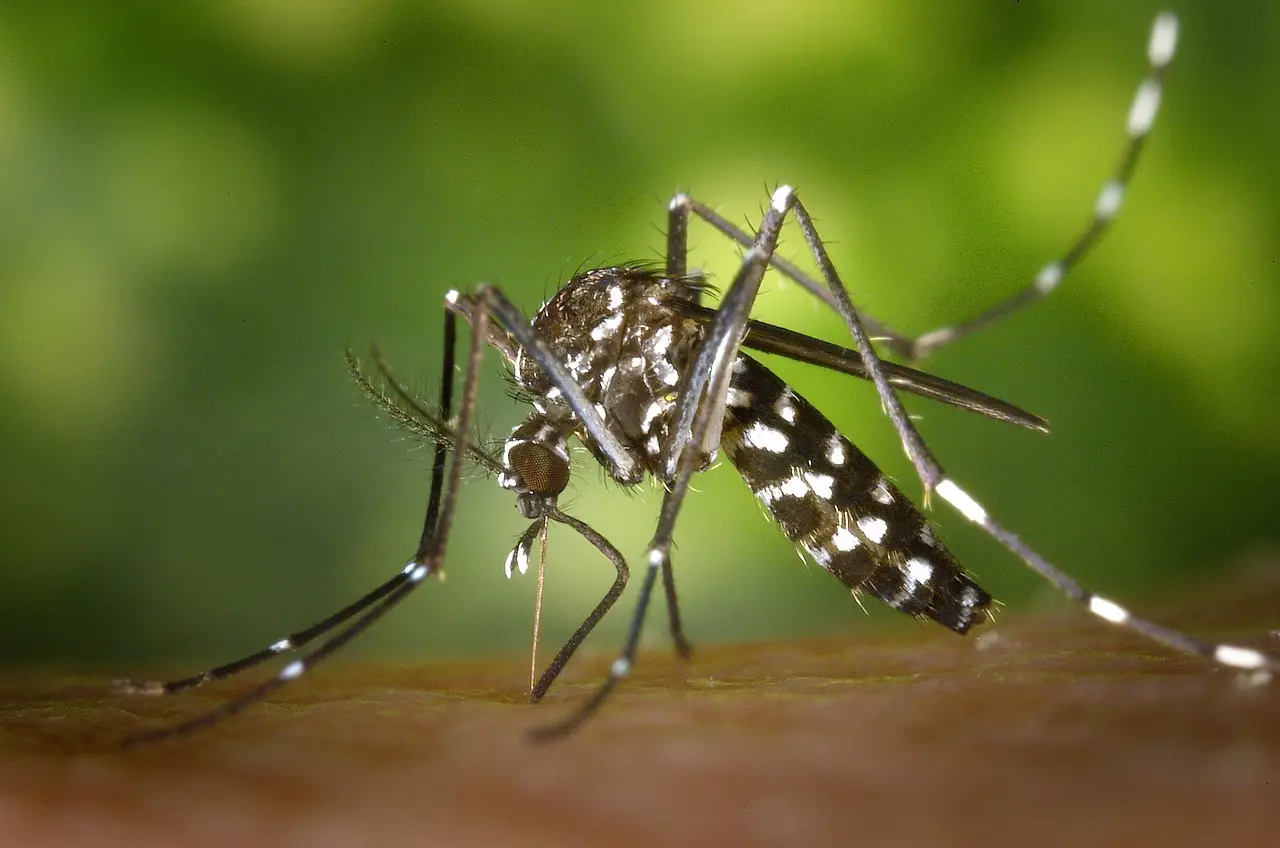
Months or years of joint pain after chikungunya may arise from an immune response that resembles autoimmune joint disease, according to a study from the La Jolla Institute for Immunology.
What does the illness leave behind?
The initial illness can begin abruptly, with fever, headaches, a rash, and severe pain in the hands, wrists, knees, or ankles. Most people improve, but some continue to experience stiffness and swelling long after the fever ends.
For those patients, joint pain can interfere with walking, working, and everyday activities. Doctors have recognized this prolonged problem for years, yet they have struggled to explain why the immune response remains active in some patients.
Researchers at the La Jolla Institute for Immunology examined immune cells involved in the response to chikungunya. They focused on T cells, which help the body recognize and respond to infections. Cell Reports Medicine published the study.
Why might the immune system keep going?
The team found a strong response from CD4 T cells, a type of immune cell involved in that response. The pattern shared features with immune activity seen in rheumatoid arthritis. In that disease, the immune system attacks healthy joints.
This similarity does not mean chikungunya produces rheumatoid arthritis, and the study does not establish that the pain is autoimmune in every patient. Rather, the result offers a possible explanation for why an infection can continue to shape immune behavior after its first symptoms disappear.
Some of the CD4 T cells produced TNF-alpha, a chemical messenger that helps the body fight infections. Excess amounts can contribute to inflammation and pain.
The findings therefore suggest that prolonged symptoms may not simply reflect the original infection continuing in the same way. An ongoing or poorly controlled immune response could instead help explain why joints remain painful.
Could existing drugs help?
Doctors already use medicines that reduce TNF-alpha activity for some inflammatory diseases, or conditions involving inflammation. That makes the mechanism relevant to treatment research because the findings connect persistent immune activity with a chemical messenger that established medicines already target.
However, the findings do not show that TNF-alpha-reducing drugs are safe or effective for everyone with lasting chikungunya pain. The study therefore does not establish these medicines as a treatment for this condition.
Why do some patients recover while others do not?
The researchers still want to understand why certain people develop chronic symptoms, meaning long-lasting pain and stiffness, while others recover quickly. Age, sex, and differences in immune responses may all play a role, but further studies are needed to determine how they contribute.
What can this study change?
The work offers a clearer picture of how an infection can have effects long after the initial symptoms disappear. Researchers may eventually use this mechanism to identify patients at risk and develop more targeted treatments.
For now, the study does not establish a cure. It identifies a plausible biological explanation rather than a proven therapy, while leaving the central clinical question open: why does chikungunya leave some joints painful after the fever is gone?
via knowridge.com (Source)
More from Priya Raman
Show full bio
Senior reporter covering people, launches and day-to-day practice in general science news at SciBeat.
425 articles
Nearby plates
- Six patients, one clue to cancer's recurring arthritis
- Pausing Arthritis Drugs After COVID Booster Doubles Flare Risk
- Antibodies illuminate a 30-year inflammatory bowel disease mystery
- Computer-Designed Protein Targets Immune Receptor at New 'Undruggable' Site
- T Cells Can Feel Tissue Stiffness, McGill Study Finds