Recorded November 22, 2026
Health & Medicine ResearchReported finding
Judge Approves Roundup Settlement That Could Cost Bayer $7.25 Billion
A Missouri judge approved a nationwide Roundup settlement worth up to $7.25 billion, with individual non-Hodgkin lymphoma claimants set to receive $10,000 to $165,000 each.
By Nathan Brooks3 min read562 words
In brief
- Missouri Judge Timothy Boyer approved the settlement on Friday; it could cost Bayer up to $7.25 billion.
- Claimants with non-Hodgkin lymphoma will receive $10,000 to $165,000 each depending on exposure, diagnosis age and other factors.
- The deal follows an earlier settlement of roughly $10-11 billion covering more than 100,000 claims.
- The U.S. Supreme Court ruled in Bayer's favor earlier this year, shielding it from state-court failure-to-warn lawsuits.
- The WHO cancer agency classified glyphosate as probably carcinogenic over a decade ago; the EPA found no risks of concern.
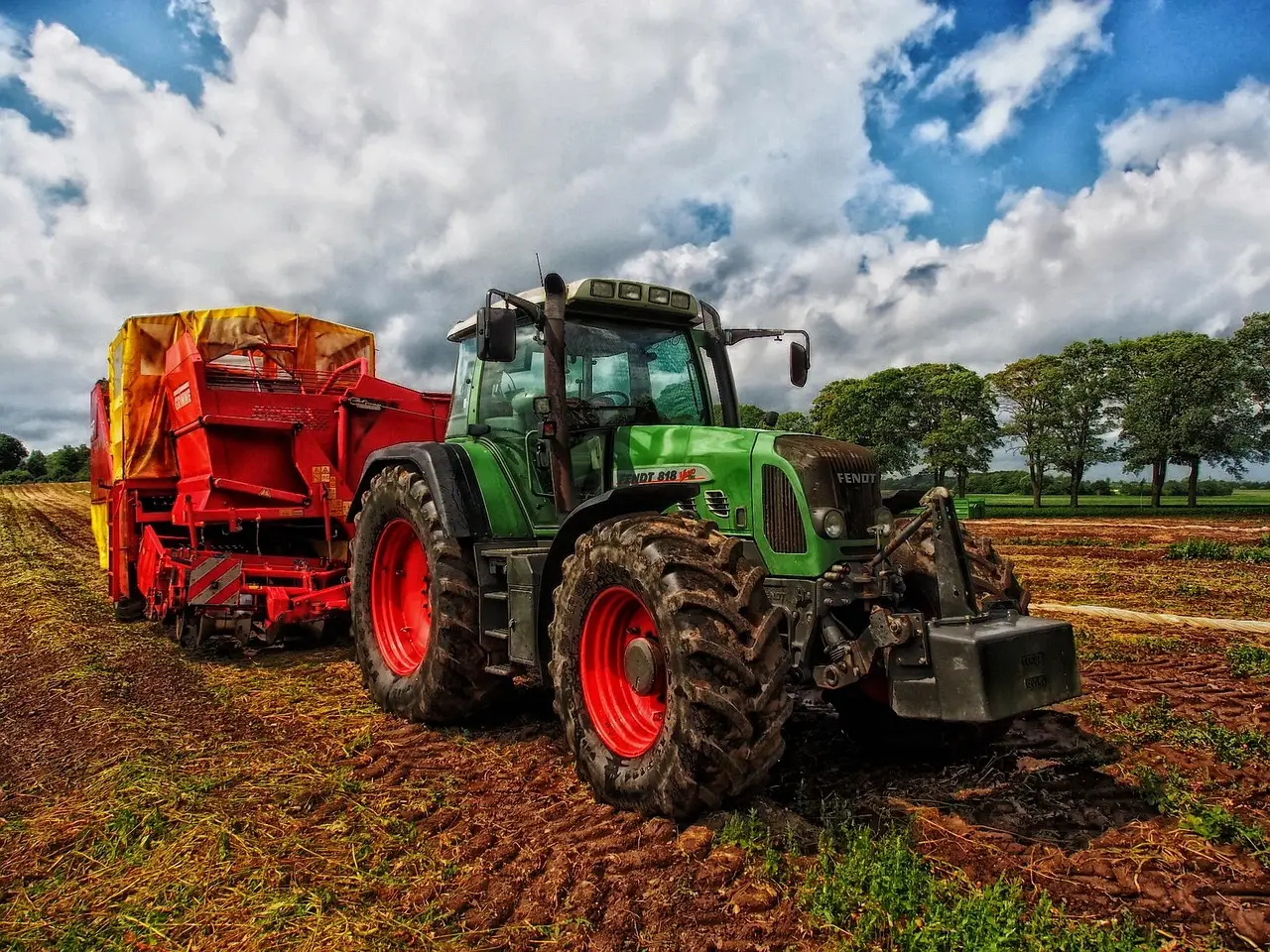
A Missouri judge has given final approval to a nationwide Roundup settlement that could cost Bayer up to $7.25 billion in the coming years. Judge Timothy Boyer signed off on the deal on Friday, calling it "among the largest in the history of mass tort personal-injury class action settlements."
The money will go to thousands of people who have been — or will be — diagnosed with non-Hodgkin lymphoma, a blood cancer they claim is linked to glyphosate, the main ingredient in Roundup. It's the world's most widely used weed-killer.
Who gets paid, and how much?
Individual compensation will range from $10,000 to $165,000 per claimant, according to the terms approved in circuit court. Three factors drive the size of each payout:
- Whether the person's work in agriculture or another occupation exposed them to higher levels of glyphosate
- The age at which they were diagnosed with non-Hodgkin lymphoma
- Other case-specific factors
Spread across thousands of claimants, those individual payments add up to the multibillion-dollar ceiling the company now faces.
What did Bayer and the lawyers say?
Bayer CEO Bill Anderson called the settlement a "decisive milestone" that will "mitigate the risks" of pending and future litigation. The German company, which now owns Monsanto, has steadfastly denied that Roundup causes cancer.
Christopher Seeger, the attorney representing the plaintiffs, framed the deal as the end of a long wait. "Today's final approval order delivers guaranteed compensation to Roundup cancer victims who have waited more than a decade for justice," he said in a statement.
How did we get here?
The science around glyphosate has been contested for years. More than a decade ago, the World Health Organization's cancer agency concluded that glyphosate is probably carcinogenic to humans. Prominent scientists in environmental health have echoed those concerns as recently as this year.
The U.S. Environmental Protection Agency has reached the opposite conclusion. The agency said it "did not identify risks of concern from glyphosate uses, including for cancer" — though it is currently reviewing the evidence on human health after facing intense pressure from advocates and some scientists, so that position isn't necessarily final.
The legal landscape shifted in Bayer's favor earlier this year. The U.S. Supreme Court ruled that Bayer can be shielded from lawsuits filed in state courts over claims it failed to warn consumers about cancer-causing effects.
This settlement doesn't stand alone, either. It comes on top of a previous deal in which Bayer agreed to pay roughly $10 billion to $11 billion to settle more than 100,000 Roundup-related claims. Combined, the two agreements put the company's total Roundup liability in the range of $17 billion to $18 billion.
Where does the politics land?
Glyphosate safety has become a rallying point for supporters of Health Secretary Robert F. Kennedy Jr. and his Make America Healthy Again agenda.
The Trump administration, though, has moved in the opposite direction. It sided with Bayer in the Supreme Court case and issued an executive order promoting domestic production of glyphosate.
Is Roundup still on shelves?
Partly. Several years ago, Bayer removed glyphosate from its U.S. residential products — the versions homeowners would pick up for their yards. The chemical remains in use in the agricultural industry, where the bulk of exposure concerns in the settlement originated.
via feeds.npr.org (Source)
More from Nathan Brooks
Show full bio
Market editor covering companies, deals and strategy in general science news at SciBeat.
563 articles
Nearby plates
- UCSF team uses CRISPR to reprogram immune cells inside the body
- $75 a Month: The Tipping Point That Makes Patients Quit GLP-1s
- Medicaid weight loss drug prescriptions fell 84% after coverage cuts
- Quitting Ozempic for Two Years Raises Heart Risk by 22%
- Drug Discovery News flags NIH crisis with biotech fallout