Plate Nº 32 · recorded November 13, 2026
Earth & ClimateReported finding
Kazakhstan's Tuyuksu Glacier Logs Warmest Summer Since 1972
Tuyuksu Glacier near Almaty lost 5.6 million cubic meters of water in its warmest summer since 1972, retreating 42 meters and raising fears of drinking water shortages.
By Elena Vasquez3 min read517 words
In brief
- Tuyuksu Glacier lost an estimated 5.6 million cubic meters of water during the warmest summer since observations began in 1972.
- Average high-altitude summer temperature hit 6.17°C, nearly two degrees above normal, with 150 days above freezing.
- The glacier retreated 42 meters and lost 108,000 square meters of surface area over the summer.
- Almaty, with a population exceeding three million by some estimates, must prioritize efficient water use, scientists say.
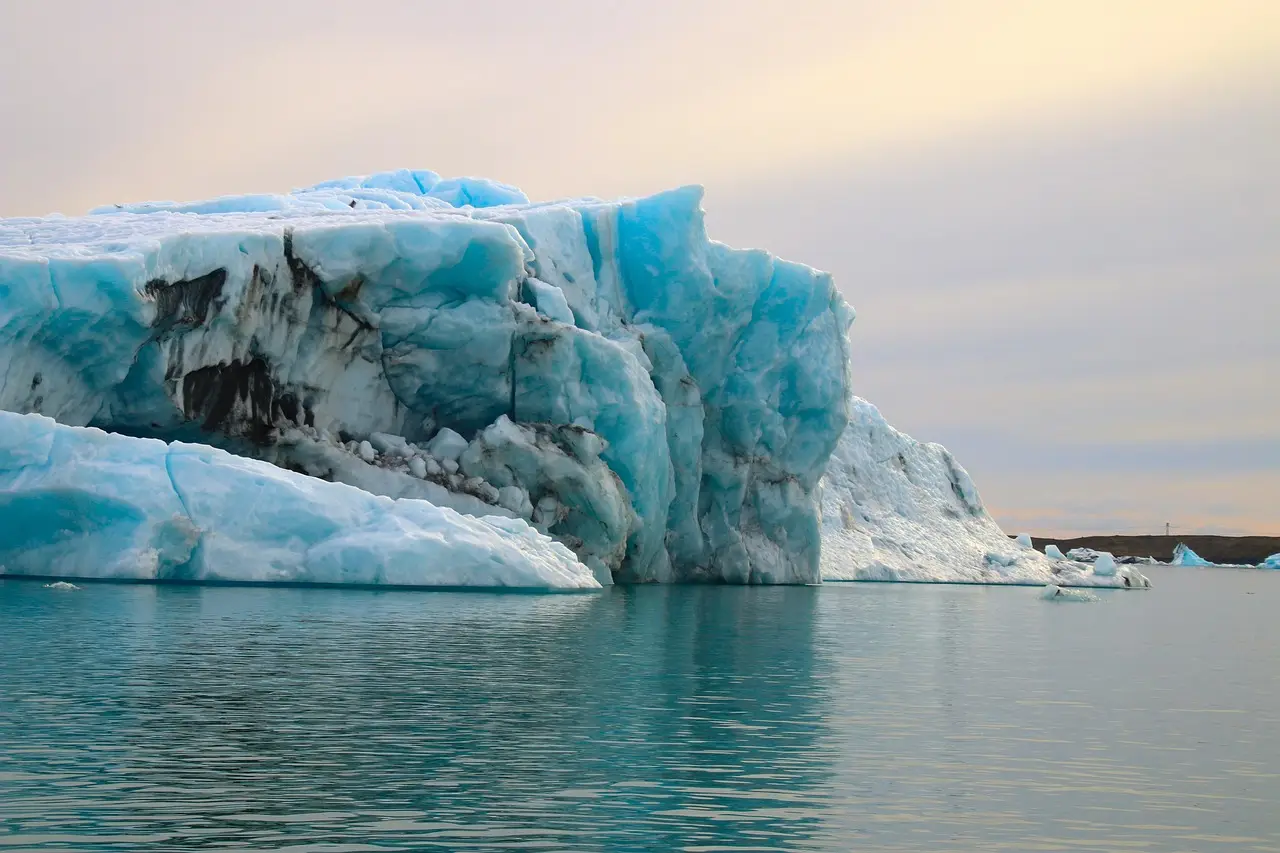
Kazakhstan's Tuyuksu Glacier lost an estimated 5.6 million cubic meters of water this past warm season — its warmest summer since record-keeping began in 1972. Researchers at the Central Asian Regional Glaciological Center under UNESCO finished processing data from the 2025-2026 summer observation season in early November. The findings point to accelerated glacier retreat, driven by unusually high temperatures and prolonged warm weather, Khabar TV reported on Nov. 11.
The numbers are stark. The glacier sits roughly 30 kilometers south of Almaty and ranks among the most extensively studied ice bodies in the world. That makes its record-breaking season a reliable warning sign, not a statistical fluke.
How warm was it?
Nikolai Kasatkin, a researcher at the center, said the average high-altitude summer temperature reached 6.17 degrees Celsius — nearly two degrees above the seasonal norm. Temperatures stayed above freezing for 150 days straight.
That heat did measurable damage. The glacier retreated by 42 meters over the summer. Its surface area shrank by 108,000 square meters, an area larger than a dozen football pitches.
Snowfall couldn't save it. Last winter brought more snow than usual, but the extra accumulation fell far short of offsetting the ice melted during the prolonged warm season.
The takeaway: even a snowy winter can't balance out one record-hot summer on this glacier.
What does this mean for water supplies?
Here's the puzzle. Despite the heavy losses, water volumes in mountain rivers stayed largely unchanged during the observation period. The melt itself kept the rivers flowing.
But scientists caution that this is temporary relief, not good news. Continued glacier retreat could disrupt the Zhetysu Region's long-term water balance. The glacier acts as a natural reservoir, storing winter snow and releasing it gradually. Shrink the reservoir, and eventually the tap tightens.
Accelerated glacier degradation across the Zailiysky Alatau mountain range could gradually undermine a key source of freshwater for southeastern Kazakhstan, the researchers said. That makes sustainable water management increasingly urgent, not a problem for future decades.
The takeaway: rivers look fine today because the glacier is paying the bill.
Who needs to act?
Vassily Kapitsa, head of the Laboratory of High-Mountain Geocryology, stressed the need for adaptation measures and more responsible water consumption — especially in big cities.
He singled out Almaty, whose population has exceeded three million by some estimates, as a place that must prioritize efficient water use.
"Without rational and careful use of water resources, particularly drinking water, we may face a severe shortage of drinking water in the future," Kapitsa said.
His warning is preliminary in one sense — river flows haven't dropped yet, and the projection of shortage depends on retreat continuing at or near its current pace. But the direction of the data is unambiguous. Fifty-plus years of observations now show the warmest season on record, a 42-meter retreat, and a shrinking ice surface.
The bottom line for readers: Kazakhstan's most-watched glacier just had its worst summer in half a century, and the cities downstream need to start saving water now.
via astanatimes.com (Source)
More from Elena Vasquez
Show full bio
Correspondent covering money, funding and market shifts around general science news at SciBeat.
411 articles
Nearby plates
- Switzerland Has Lost Nearly 20% of Its Glacier Ice in Five Years
- Melting Arctic Winter Ice May Predict Eurasia's Summer Droughts
- Arctic Sea Ice Ties for 10th-Lowest Minimum in 2026 Satellite Record
- 76 km² Ice Island Breaks Off Greenland's Petermann Glacier
- Arctic Melt Season Grew 40 Days Longer Since 1979—Then Stalled in 2010