Plate Nº 56 · recorded October 30, 2026
Earth & ClimateReported finding
Switzerland Has Lost Nearly 20% of Its Glacier Ice in Five Years
Switzerland lost over 5% of its glacier ice in 2026 alone, bringing five-year losses to nearly 20%. Two small glaciers vanished permanently as heat records fell.
By Elena Vasquez3 min read620 words
In brief
- Switzerland lost nearly 20% of its glacier ice volume between 2021 and 2026.
- Glaciers lost more than 5% of their ice in 2026 alone, thinning 2.5–4 meters on average.
- The freezing level exceeded 4,000 meters on a record 76 days in summer 2026.
- Meltwater released July–September 2026 totaled about 2.2 trillion liters, four times annual Swiss household drinking water.
- Bella Tola and Griessfirn glaciers disappeared permanently in 2026.
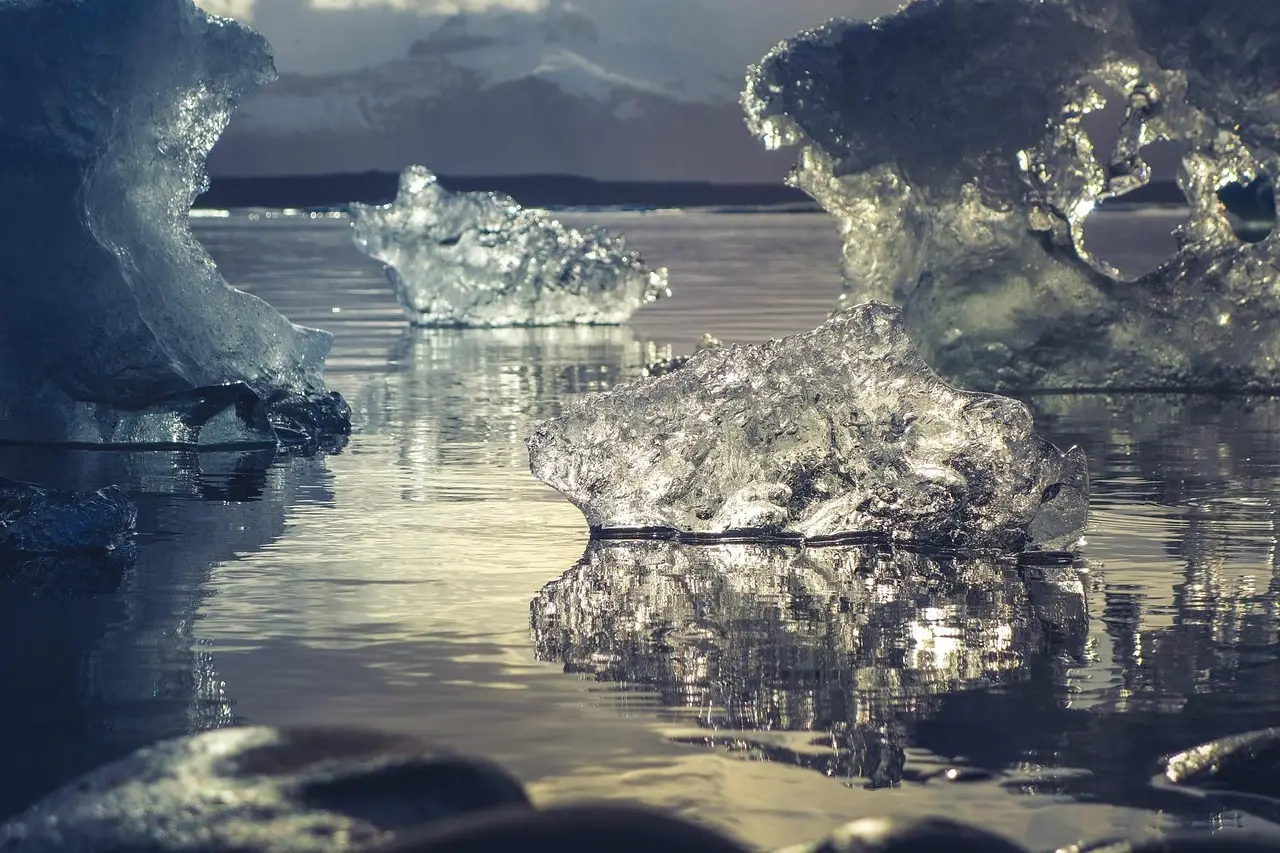
Switzerland has lost nearly 20% of its total glacier ice volume in just five years, according to the Swiss Academy of Sciences' annual report published in October 2026. The country's glaciers shed more than 5% of their ice in 2026 alone, and several smaller ones disappeared completely.
The losses did not quite match the record melt year of 2022. They came close. Glaciers thinned by an average of 2.5 to 4 meters, and the lower reaches of some ice bodies lost as much as 10 meters in a single year.
Two glaciers are now gone permanently: Bella Tola in the canton of Valais and Griessfirn in the canton of Glarus. Several of the country's best-known glaciers — the Rhône, the Aletsch and the Clariden — suffered their most severe melting on record in 2026.
The findings come from the annual report of the Swiss Academy of Sciences (SCNAT), which draws on long-term observations from the Glacier Monitoring Network, known as GLAMOS. The program is based at ETH Zurich and the universities of Fribourg and Zurich.
Why did the ice melt so fast?
Two forces worked together: snowless winters and relentless summer heat.
The winter of 2025–2026 ranked among Switzerland's ten least snowy winters since records began. That matters because snow acts as a protective blanket — a thick white layer reflects sunlight and shields the ice underneath from warm air. With little snow to start with, the glaciers entered summer exposed and vulnerable.
Conditions then got worse. Between May and September 2026, persistent heat and dry weather accelerated ice loss even at the highest elevations, where ice normally sits safe from summer warmth.
One number captures the summer's severity. The altitude at which temperatures reach freezing — called the freezing level — climbed above 4,000 meters on 76 days. That is more than double the usual figure, and it set a new Swiss record. By September, snow had vanished even at 3,500 meters, baring ice that would normally stay covered until the next winter.
In plain terms: the protective snow was gone, and the heat stayed for months.
What does the meltwater mean for water supplies?
The melting produced one short-term upside. From July through September, Switzerland's glaciers released roughly 2.2 trillion liters of water. That is more than four times what Swiss households drink in an entire year, and it temporarily eased the country's summer water shortages.
But the bonus is a loan against a shrinking account. Glaciers store centuries of accumulated snowfall, and once that ice melts away, it will not return on any human timescale. As the glaciers shrink irreversibly, the volume of meltwater they can release each summer will decline too — right when dry years put the most strain on water supplies.
The report's quiet warning is hard to miss: the resource that offsets summer shortages is disappearing.
How solid are the numbers?
The data come from one of the world's longest-running glacier monitoring efforts. GLAMOS researchers — including Matthias Huss, Andreas Bauder, Daniel Linsbauer and Margit Barandun — published the 2026 mass balance report on 1 October 2026 (DOI: 10.18752/annualrep_2026), based on direct, long-term field measurements rather than estimates.
The five-year, nearly 20% loss figure stands out because of its timescale. Glaciers have retreated since the mid-19th century, but the pace has sharply accelerated. Losing one-fifth of a nation's ice in half a decade illustrates how quickly Switzerland's mountain landscapes are being transformed.
The bottom line: 2026 was not a record year, but it confirmed a pattern — snow-poor winters and hot summers are dismantling Switzerland's glaciers, and the water they provide will shrink with them.
via ethz.ch (Original)
More from Elena Vasquez
Show full bio
Correspondent covering money, funding and market shifts around general science news at SciBeat.
288 articles
Nearby plates
- 76 km² Ice Island Breaks Off Greenland's Petermann Glacier
- Petermann Glacier Loses 76-Square-Kilometer Iceberg in August 2026
- Arctic Sea Ice Ties for 10th-Lowest Minimum in 2026 Satellite Record
- A 76-Square-Kilometer Ice Island Breaks Free From Petermann Glacier
- Tibetan Ice May Be 128,000 Years Old — and It Rewrites Climate History