Plate Nº 93 · recorded November 11, 2026
Biology & EvolutionReported finding
Large-scale transfer RNA analysis suggests an ancestral code
A 2026 PNAS study filtered nearly 500,000 sequences, then examined more than 70,000 transfer RNA genes from nearly 5,000 genomes for possible ancestral traces.
By Marcus Bennett4 min read791 words
In brief
- Researchers filtered nearly 500,000 sequences before analyzing more than 70,000 transfer RNA genes from nearly 5,000 genomes.
- The data set spans bacteria, archaea and eukaryotes and is the largest used to date for this type of analysis.
- In several tRNA groups, triplets occurred more often than equivalent-structure simulations predicted.
- Signals were stronger for glycine, alanine and valine than for tyrosine and tryptophan, matching a proposed amino-acid chronology.
- The PNAS paper appeared in 2026 with DOI 10.1073/pnas.2627541123.
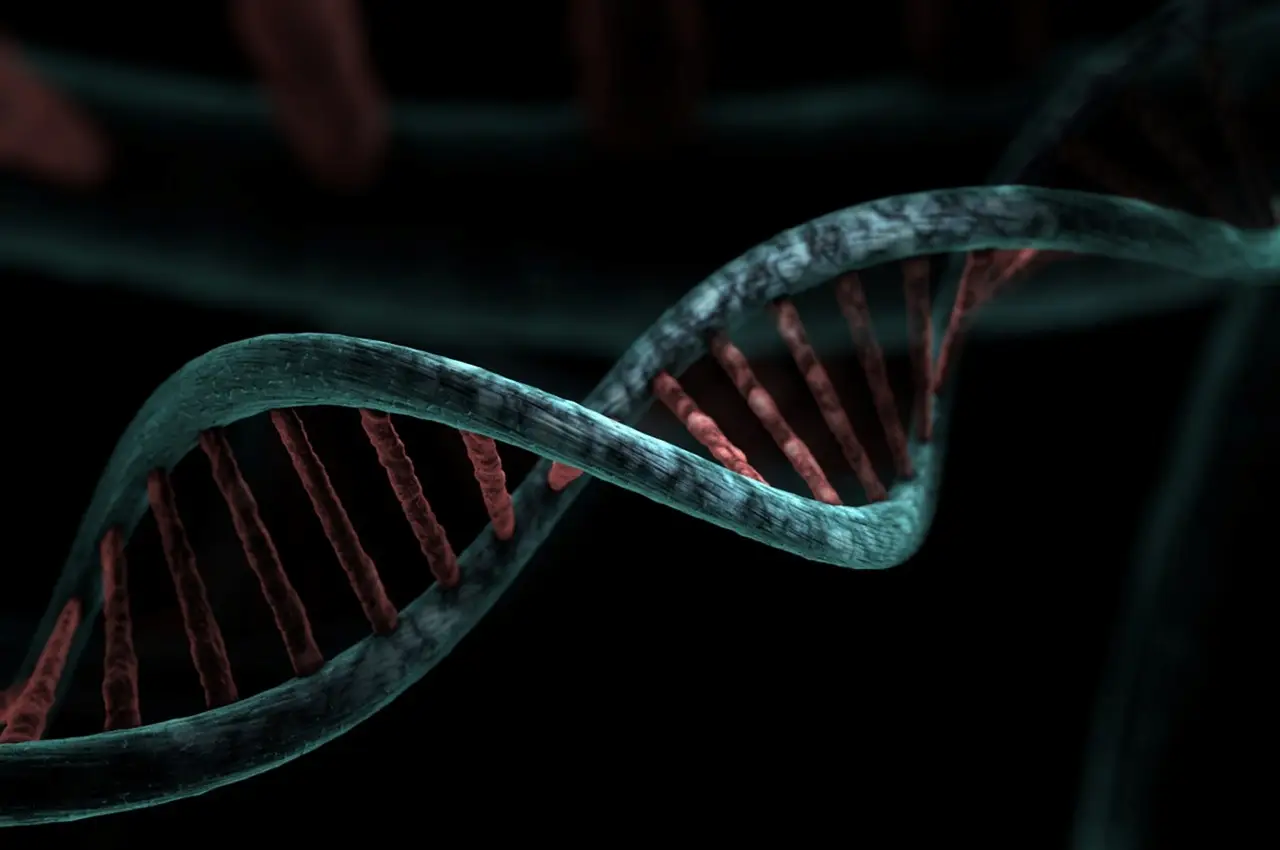
An analysis of more than 70,000 transfer RNA gene sequences from nearly 5,000 genomes has identified recurring triplet patterns that may preserve traces of an early amino-acid matching system.
The study, published in the Proceedings of the National Academy of Sciences (PNAS) in 2026, tested whether present-day transfer RNAs retain sequence signals from a simpler system that could have preceded the modern genetic code.
Dr. Lluís Ribas de Pouplana, an ICREA researcher at IRB Barcelona, and Dr. Paul Schimmel led the work with researchers from MIT and Scripps Research. They describe the patterns as possible molecular fossils rather than a complete reconstruction of the past.
How do transfer RNAs connect genetic instructions to proteins?
Transfer RNA, usually shortened to tRNA, acts as a bridge during protein synthesis. One region contains an anticodon: three RNA “letters” that recognize a genetic instruction. At the opposite end, the corresponding amino acid attaches to the molecule.
Those two sites lie far apart in today’s tRNA. Evolution therefore had to establish a way for the anticodon to specify which amino acid reaches the attachment site. Ribas de Pouplana said: “In current tRNAs we have identified signals compatible with a simpler system that linked RNA sequences to amino acids. These results provide new insights into how the genetic code developed.”
The genetic code sets the correspondence between genetic instructions and amino acids, the building blocks that form proteins. How that correspondence arose remains a major open question in evolutionary biology. In short, explaining how the molecule’s distant matching sites became linked remains the central problem.
What sequence signals did the researchers seek?
A main hypothesis proposes that tRNAs evolved from mini-helices: small RNA structures folded into a hairpin, or bent shape. Under that model, the three-letter groups that form today’s anticodons would already have existed in primitive RNAs near the amino-acid attachment site.
The model predicts a traceable consequence. If modern tRNAs descended from those hairpins, they might retain copies of those triplets in the same region, a paired section called the acceptor stem. Triplets are groups of three RNA letters.
Conserved signals persist across many lineages and through evolutionary time. The researchers looked for conserved triplets in the region where the mini-helix model predicts they should survive.
After filtering nearly half a million sequences, the team analyzed more than 70,000 tRNA genes from nearly 5,000 genomes across bacteria, archaea and eukaryotes. The researchers describe the resulting data set as the largest used to date for this type of analysis.
Could RNA folding alone explain the triplets?
The team compared actual sequences with simulated versions of equivalent structure. That control tested whether folding and other structural constraints could explain the patterns without an older matching system.
In several groups of tRNAs, triplets appeared more frequently than the simulations predicted. The excess frequency suggests that structure alone may not explain every signal. It does not prove the evolutionary interpretation, but it makes the proposed ancestry more plausible.
Ribas de Pouplana said: “The key was to verify that the signal persisted when taking into account the structural constraints of the molecule. This control supports the interpretation that the observed patterns may contain information about their evolutionary history.”
In plain terms, the observed patterns go beyond what RNA shape alone would predict.
Does the signal match the code’s expansion?
The researchers compared signal strength with a proposed timeline for adding amino acids to the genetic code. In general, the patterns followed that chronology:
- TRNAs associated with glycine, alanine and valine showed stronger signals. The proposed timeline places those amino acids earlier in the code.
- TRNAs associated with tyrosine and tryptophan showed weaker signals. The timeline places those amino acids later.
This agreement provides additional support for the proposed progressive development of the genetic code. Because the comparison uses a proposed chronology, it offers supporting evidence rather than a direct recording of the process.
In plain terms, the signal was strongest for amino acids proposed to enter the code earlier.
What remains unresolved?
The team also detected triplets in other arms of the tRNA molecule. The mini-helix hypothesis does not explain that observation on its own. The exact pathway from early RNA structures to present-day molecules therefore remains open.
The paper credits two undergraduate students as first authors. Both completed placements in IRB Barcelona’s Gene Translation Laboratory. The article, “Molecular fossils of an ancestral code revealed by large-scale analysis of tRNAs,” was published by Ash Nova Royo et al. in PNAS in 2026. Its DOI is 10.1073/pnas.2627541123.
For researchers testing origin models, the practical gain is a genome-wide comparison that controls for RNA structure; the evolutionary route remains unsettled.
via phys.org/rss-feed/ (Source)
More from Marcus Bennett
Show full bio
News editor covering regulation, policy and their impact on general science news at SciBeat.
370 articles
Nearby plates
- Pond Protist Rewrites a Rule of the Genetic Code
- Scientists identify first PLP-dependent tRNA-modifying enzyme
- One Oxygen Atom May Have Given RNA a Head Start in Forming Life
- Five Plant-Enzyme Mutations Rewired a Mirror-Image Sensor
- Eight-Letter DNA Works: Scientists Show Cells Can Read a Doubled Genetic Alphabet