Recorded November 28, 2026
Health & Medicine ResearchReported finding
Low-dose aspirin cut dementia risk by 70% in one genetic group
A trial of 13,541 people over 70 found aspirin cut dementia risk 70% in one genetic subgroup — but serious bleeding more than doubled, from 2.1% to 4.4%. Experts call the trade-off too high.
By James Calloway3 min read661 words
In brief
- Trial of 13,541 people over 70 found aspirin cut dementia incidence from 3.3% to 1% in a genetically defined subgroup with high platelet levels
- Major bleeding occurred in 4.4% of aspirin takers versus 2.1% on placebo
- US Alzheimer's cases projected to rise from 7 million today to 13 million by 2050; UK dementia cases from 982,000 to 1.4 million by 2040
- Study by Monash University, Melbourne, published in Alzheimer's & Dementia
- No drug currently exists that can prevent dementia onset
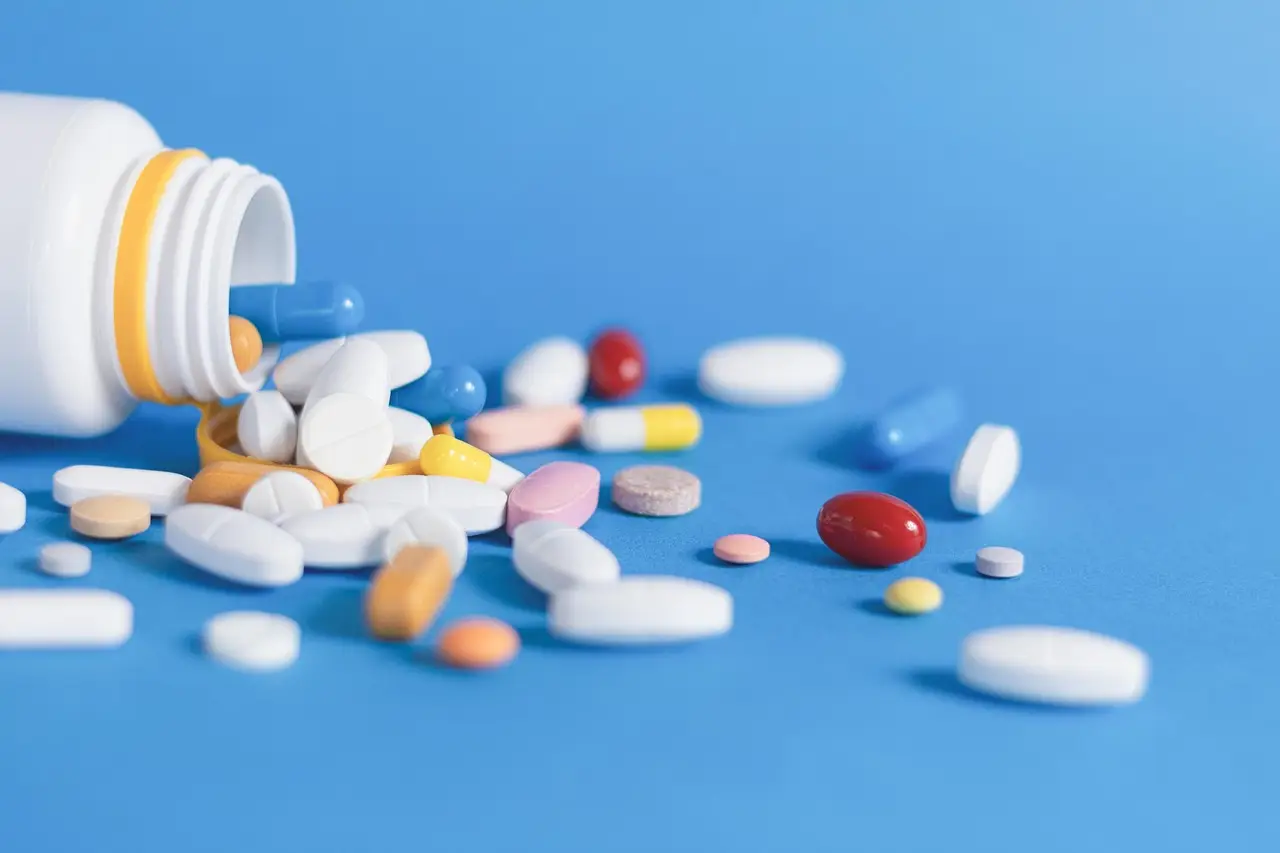
A daily low-dose aspirin reduced dementia risk by roughly 70 per cent in one genetically defined group of people over 70, a trial of 13,541 participants suggests. Before anyone reaches for the medicine cabinet, though, the same trial found the drug more than doubled the risk of serious bleeding.
The study, published in the journal Alzheimer's & Dementia and run by researchers at Monash University in Melbourne, followed people over the age of 70 to test whether aspirin could help protect against dementia. On the surface, the headline result looks dramatic. Dig into who benefited, and the picture narrows sharply.
Who actually saw the benefit?
The striking effect appeared only in people genetically predisposed to unusually high levels of platelets — the tiny cell fragments in blood that help it clot. In this subgroup, just 1 per cent of those taking aspirin developed dementia during the trial, compared with 3.3 per cent of those on a placebo.
That is a big gap for a cheap, common pill. But it comes with a mirror-image cost, and the researchers did not hide it.
What is the catch?
Serious bleeding — in the stomach or the brain, among other sites — hit 4.4 per cent of aspirin takers versus 2.1 per cent of the placebo group. Aspirin thins the blood by stopping platelets clumping together, which plausibly explains both the benefit and the harm.
Gill Livingston, a professor of psychiatry of older people at University College London, who was not involved in the study, was blunt: "It is of course too high a trade-off."
She did not leave it there. Livingston suggested ways to make treatment safer for people with this genetic profile, for instance pairing aspirin with drugs that reduce the risk of stomach bleeding. So the finding is not a dead end — it is a fork in one.
Why does this matter at all?
The stakes are large. In the US, the number of people living with Alzheimer's disease — the most common form of dementia — is projected to climb from seven million today to 13 million by 2050. In the UK, around 982,000 people currently live with dementia, a figure expected to reach 1.4 million by 2040.
And right now, no drug can prevent the disease from starting in the first place. That empty shelf is why a cheap generic pill, even one with bleeding risks, keeps drawing research attention.
What does this change for patients?
In the near term, very little. No one should start taking aspirin to prevent dementia on the strength of this trial — the bleeding figures make that a bad personal bet, and experts outside the study say so plainly.
What the finding changes is the research direction. The Monash team said their results "raise the possibility that future prevention strategies for dementia could be more precision-guided and targeted to defined subgroups based on genetics." In plain English: not one pill for everyone, but different approaches for different genetic profiles.
Livingston, who called the study's approach "novel", backed that reading. "This may be a new way of reducing dementia in a small section of the population with this genetic profile, with strategies in place to reduce the chance of bleeding and with risks explained," she said.
The fine print
A few things this study is not. It is not a licence for self-medication. It is not evidence that aspirin protects the general population against dementia — the strong effect appeared in one genetic subgroup, not across all 13,541 participants. And it does not yet identify a safe, practical way to deliver the benefit without the bleeding cost.
What it does offer is a credible lead: a measurable genetic marker, a measurable effect, and a known safety problem standing in the way. Whether that problem can be engineered around is now the question the next trial has to answer. Until one does, the aspirin bottle stays where it is.
via sciencefocus.com (Source)
More from James Calloway
Show full bio
Staff writer covering regulation, policy and their impact on general science news at SciBeat.
625 articles
Nearby plates
- Aspirin cut dementia risk by 70% in one genetic group, study finds
- Aspirin Rival Cuts Repeat Heart Attack Risk by 23%, Trial Analysis Finds
- Bodies Show Decline Years Before Heart Attacks and Strokes Strike
- Alzheimer's Drug Developers Accuse Trial Sites of Faking Data
- FDA Approves Asundexian, Cutting Repeat Stroke Risk by 26%