Recorded November 27, 2026
Health & Medicine ResearchReported finding
Bat RSV Can Enter Human Cells – But Existing Immunity Blocks It
A fruit bat virus from Ghana and Benin enters human cells in lab tests, but prior RSV antibodies and a broad monoclonal antibody neutralize it, researchers report in Science Advances.
By James Calloway3 min read661 words
In brief
- Researchers examined 1,778 bats from Ghana and Benin; 1.4% carried the virus and 9% had antibodies
- Bat RSV entered human cells in lab tests, but less efficiently than human RSV
- Antibodies from previously RSV-exposed individuals neutralized bat RSV, as did a broad monoclonal antibody
- The study was published in Science Advances (2026), DOI: 10.1126/sciadv.aei7060
- The cell experiments used a partial viral system, not the complete bat RSV virus
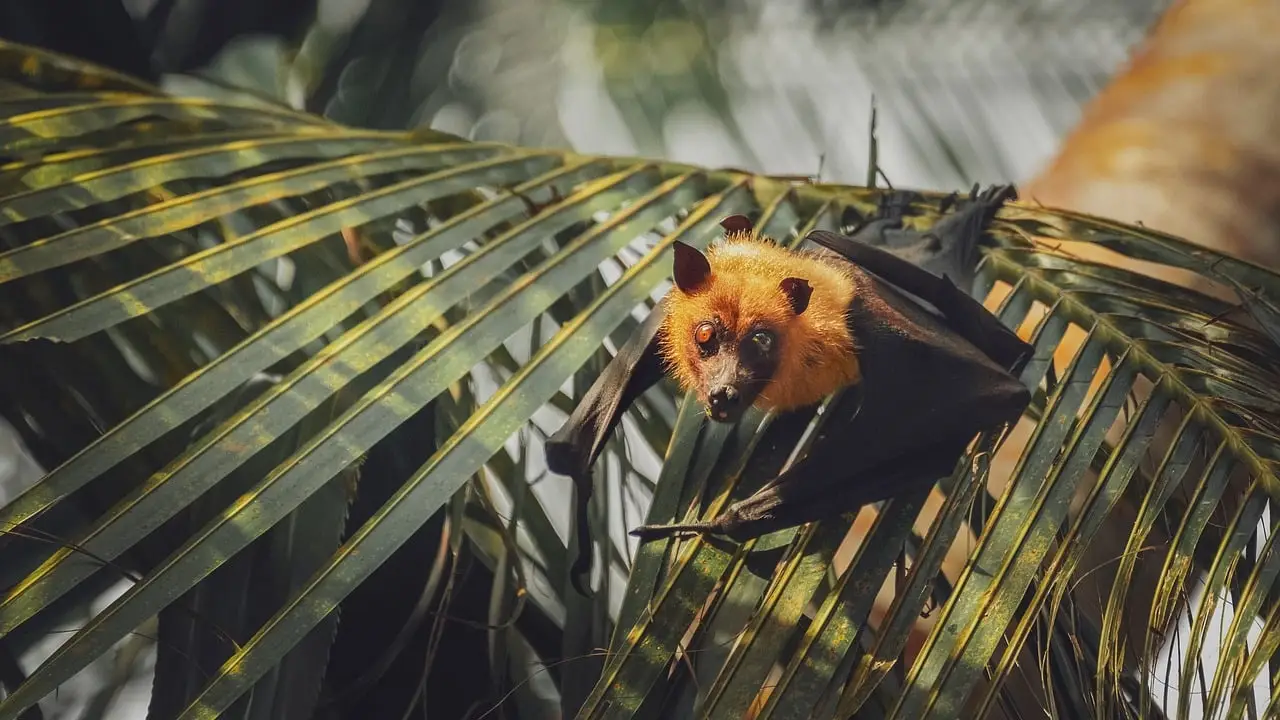
A virus found in West African fruit bats can enter human cells in the laboratory, but antibodies from people previously exposed to RSV stop it cold. That is the core finding of a study published in Science Advances by a team led by Dr. Wendy K. Jo and Dr. Jan Felix Drexler at Charité—University Medicine Berlin, together with Dr. Thomas Pietschmann and Dr. Sibylle Haid at TWINCORE in Hanover, all working under the German Center for Infection Research (DZIF).
Let's be clear about the stakes here. Respiratory syncytial virus, or RSV, causes severe respiratory disease and kills many people each year. The newly characterized bat virus belongs to the same viral family but is genetically distinct from known RSV variants. Whenever scientists find a close relative of a human pathogen in an animal reservoir, the obvious question follows. Can it jump to us?
What did the bats actually carry?
The team examined 1,778 bats from Ghana and Benin. Virus detection was rare: just 1.4% tested positive. Antibodies against the virus turned up in 9% of the bats, which means far more animals had been exposed at some point than carried the virus at the time of sampling.
The researchers then sequenced RSV genomes from two of those bats in detail. The result: bat RSV is not closely related to human RSV. Genetic distance, though, is not the whole story, and this is where the study gets interesting.
Can it infect humans?
In cell experiments, bat RSV entered human cells — but less efficiently than human RSV does. One caveat matters here. The experiments used a viral system containing only a portion of the bat RSV proteins, not the complete virus. It allows a comparison with human RSV, but it is not the same as watching a full virus replicate. The findings are suggestive, not definitive.
The virus also has a trick. It can inhibit the human innate immune response — the body's built-in first line of defense. Sounds alarming. But the defense held anyway.
"Bat RSV can inhibit the human innate immune response, the body's built-in first line of defense, but it is neutralized by antibodies from individuals who have previously been exposed to RSV," Jo said. "In addition, we show that a broadly effective monoclonal antibody can neutralize bat RSV."
A monoclonal antibody, for the unfamiliar, is a lab-made antibody designed to target one specific part of a virus. The one tested here is described as broadly effective, and it neutralized bat RSV in the experiments.
What does this change for the risk picture?
Not much for your daily life — no human cases are on the table in this study. What changes is the method. The team combined fieldwork in Ghana and Benin with computer-based and laboratory experiments, looking at epidemiology, genomic properties, treatment options, and host barriers, the biological obstacles a pathogen must overcome to jump between species. Their argument: genomic data alone cannot tell you whether a virus is dangerous. You need functional tests too.
"The results show how important it is to investigate newly discovered viruses in animal reservoirs using various scientific methods in order to better gauge potential risks," Drexler said.
The findings also lend support to developing broad-spectrum antiviral agents, drugs that work against a range of reservoir-associated viruses rather than one target at a time. The collaboration across DZIF sites with different expertise made the work possible, the researchers note.
What comes next?
The team plans to use a reverse genetics system — a technique that lets scientists deliberately modify viral genes — to study how specific genetic changes affect viral pathogenesis, meaning how the virus causes disease.
So the honest read is this: a bat virus with some theoretical ability to reach human cells, a documented immune brake on that ability, and a research roadmap for testing the next one properly. Preliminary, partial-virus experiments in a lab. Worth watching. Not worth losing sleep over.
via phys.org/rss-feed/ (Source)
More from James Calloway
Show full bio
Staff writer covering regulation, policy and their impact on general science news at SciBeat.
625 articles
Nearby plates
- Bats Carry a Double Antibody System No Other Mammal Has
- Climate Change and Habitat Loss Raise Risk of Deadly Bat Viruses
- COVID-19 immunity may shield against other bat coronaviruses
- Ranavirus outbreaks cut monkey frog population by 83% in Brazil
- Nasal Vaccine Additive Kept Mice Alive Against Flu 100 Days Later