Plate Nº 72 · recorded October 9, 2026
Biology & EvolutionReported finding
Microbe With 189 Genes Sets Record for Smallest Genome Ever Found
Scientists have discovered Candidatus Sukunaarchaeum mirabile, an archaeon with just 189 protein-coding genes — the smallest genome ever recorded. It cannot make its own nutrients or energy.
By Marcus Bennett3 min read581 words
In brief
- Sukunaarchaeum carries 189 protein-coding genes, the smallest genome ever recorded for a cellular organism.
- Its genome runs less than half the size of the previous smallest known archaeal genome.
- About 25% of its genes encode unusually large membrane proteins of unknown function.
- The findings were published in Current Biology, 2026 (DOI: 10.1016/j.cub.2026.09.042).
- Researchers have not yet directly observed the organism or identified its host.
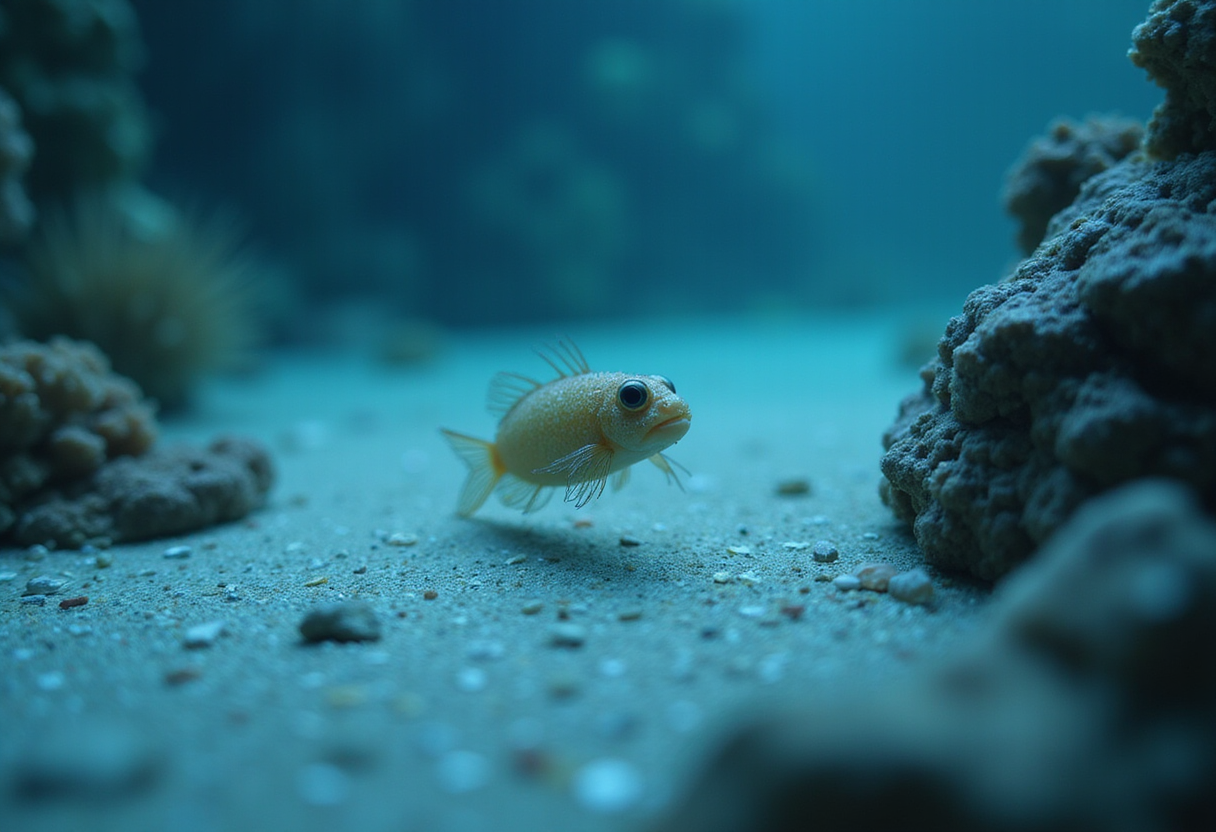
A marine microorganism carries just 189 protein-coding genes — the smallest genome ever recorded for any cellular organism. The discovery, published in Current Biology, pushes the lower boundary of how little genetic machinery a living cell needs to survive.
The new microbe, named Candidatus Sukunaarchaeum mirabile — "Sukunaarchaeum" for short, after a small Japanese deity — belongs to the archaea. Archaea are single-celled organisms as genetically distinct from bacteria as they are from animals or plants.
An international team including researchers from the University of Nottingham and the University of Tsukuba in Japan found Sukunaarchaeum while sequencing genetic material from individual plankton cells. Its genome runs less than half the size of the smallest archaeal genome previously known.
What did the team find?
Sukunaarchaeum keeps the genes it needs to copy DNA and turn genetic code into proteins, the two jobs every independent cell must perform.
It has shed nearly everything else. Most cells carry the instructions to harvest energy, build amino acids, and manufacture their own nutrients. Sukunaarchaeum has discarded almost all of them.
The organism also differs sharply from every previously known branch of archaea. Related genetic sequences scattered across marine samples suggest Sukunaarchaeum belongs to a much larger, previously hidden lineage.
How small is the genome?
The genome contains:
- 189 protein-coding genes
- Less than half the size of the previous smallest archaeal genome
- No recognizable genes for producing its own energy or most nutrients
- Full machinery for DNA replication and protein production
- Roughly 25% of genes encoding unusually large membrane proteins of unknown function
For comparison, even mitochondria and chloroplasts — the energy factories inside our own cells, which evolved from free-living microbes — have handed over most of their genetic machinery to their hosts. Sukunaarchaeum has done the opposite: it kept its replication gear.
What does this tell us about life?
"The key to defining life is whether something can replicate itself, and whether it can do this autonomously," said Thorsten Allers, a professor in the School of Life Sciences at the University of Nottingham and a co-author. "This exciting discovery provides new clues about how simple a living cell can become while remaining capable of reproducing and maintaining its own genetic information."
The phrase "minimal cell" has hovered over origin-of-life research for decades. Sukunaarchaeum may represent the closest biologists have come to defining a floor.
Could Sukunaarchaeum be a parasite?
About a quarter of its genome encodes outsized membrane proteins with no known function. Similar proteins appear in some parasitic archaea, hinting that Sukunaarchaeum might live inside or alongside another organism and draw food from it.
Scientists have not yet observed the microbe directly, and they have not identified a host. The team has only its genome, recovered from plankton samples.
"Although it has lost almost all of the genes needed to make nutrients and energy, it has kept much of the machinery required to copy its genome and produce proteins from its genetic information," Allers said. "This suggests that Sukunaarchaeum may be close to the minimum level of genetic information needed for an organism to remain an independent cell."
What's next?
The team plans to search ocean waters for Sukunaarchaeum, identify what feeds it, and map how it interacts with neighboring organisms. Related genomes in marine samples suggest a wider, previously hidden branch of life waits to be explored.
Seeing Sukunaarchaeum under a microscope, and pinning down its host, will test whether 189 genes really is the floor for independent cellular life.
via Phys.org Biology (Source)