Plate Nº 55 · recorded November 14, 2026
Health & Medicine ResearchReported finding
Milk and Mortality: A Chinese Study Finds Benefits and Risks at Different Doses
A study of 18,214 older Chinese adults links 1-3 weekly milk servings to lower cardiovascular death risk, but higher intake to more cancer deaths.
By Priya Raman3 min read567 words
In brief
- 18,214 adults aged 50+ in the Guangzhou Biobank Cohort Study were followed for an average of 11.5 years
- 1-3 weekly 250-milliliter milk servings were linked to lower risk of death from heart and blood vessel disease
- More than 3 servings a week was associated with higher cancer death risk, particularly esophageal cancer
- 2,697 participants died during follow-up: 917 from cardiovascular disease and 1,029 from cancer
- About 70% of participants drank no milk at all
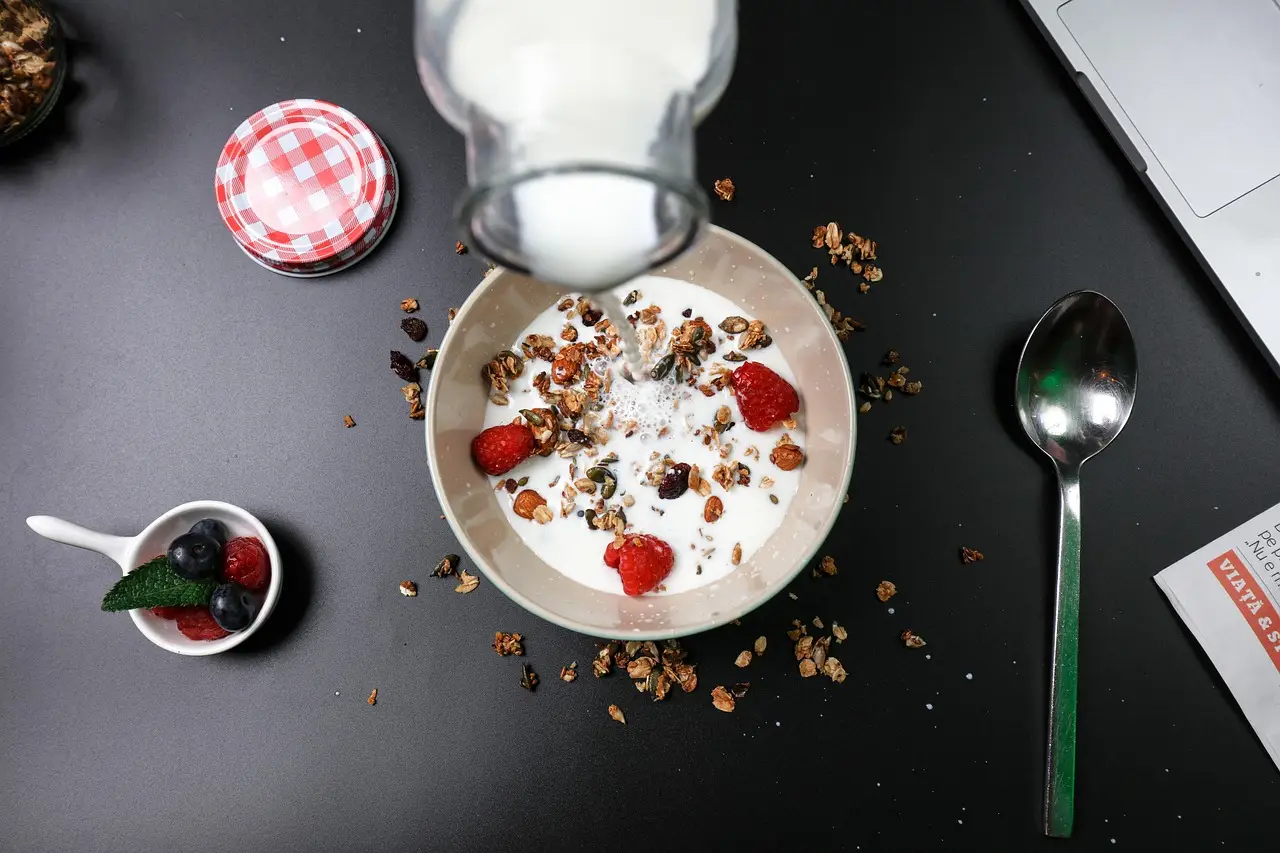
A study of 18,214 older adults in China found that drinking one to three servings of milk a week was linked to a lower risk of dying from heart and blood vessel disease, while more than three servings a week was associated with a higher risk of cancer death. The findings, published in Clinical Nutrition, show associations only. They do not prove that milk causes either benefit or harm.
The research team, from Sun Yat-sen University, drew on the Guangzhou Biobank Cohort Study. They analyzed data on adults aged 50 and older, none of whom had a history of heart or blood vessel disease when they joined between 2003 and 2006. The average follow-up lasted 11.5 years.
What did the participants drink?
Milk consumption in this population was far below what is typical in many Western countries. About seven in ten participants reported drinking no milk at all. Roughly 15% drank one to three 250-milliliter servings a week, and around 16% drank more than three.
Over the follow-up period, 2,697 participants died. Of those, 917 died from heart and blood vessel disease and 1,029 from cancer.
How did moderate drinking compare with none?
Compared with people who never drank milk, those in the one-to-three-servings group had a lower risk of death from heart and blood vessel disease. The same pattern appeared for deaths from ischemic heart disease (heart disease caused by reduced blood flow to the heart muscle) and for stroke.
The study did not, however, establish that moderate milk drinking reduced deaths from all causes. That distinction matters: a benefit for one category of mortality is not the same as an overall survival advantage.
What about higher intake and cancer?
The picture shifted for heavier drinkers. Participants who consumed more than three servings a week showed a higher risk of death from cancer overall, particularly cancer of the esophagus, the tube connecting the mouth to the stomach.
The association was not universal. The researchers found no clear link between higher milk intake and deaths from several other cancers, including lung and liver cancer.
Why the caution?
Several limitations temper these results. The study was observational: researchers recorded people's existing habits rather than assigning them to drink specific amounts of milk. Other differences in diet, income, health and lifestyle may have shaped the outcomes, even after statistical adjustments.
The population also limits generalization. These were older adults in China with relatively low milk consumption, so the findings may not apply to younger people or to countries where a daily glass of milk is routine.
Does everyone need milk?
Milk supplies protein, calcium and other nutrients that support bones and muscles, and some types are fortified with vitamin D (added during processing to boost nutritional content). But it is not essential for everyone. People with lactose intolerance (difficulty digesting the natural sugar in milk) or a milk allergy may need alternatives, and a balanced diet can provide similar nutrients through other foods or fortified drinks.
For now, the researchers' own framing is the sensible one: this work raises useful questions rather than a reason to fear milk. Larger studies in different populations are needed before anyone can draw firm conclusions about the safest amount to drink.
A glass a week may look different from a glass a day — and science has not yet settled the difference.
via knowridge.com (Source)
More from Priya Raman
Show full bio
Senior reporter covering people, launches and day-to-day practice in general science news at SciBeat.
395 articles
Nearby plates
- No Safe Sip: Major Study Finds Cancer Risk Starts at One Drink a Day
- Study Links Two Daily Drinks to 1-in-25 Mortality Risk
- Cancer Rising in Younger Adults, and Obesity Alone Cannot Explain It
- Tea Drinkers Show 11% Lower Vascular Disease Risk in 486,000-Person Study
- High-Quality Carbs in Midlife Linked to Healthy Aging, 30-Year Study Finds