Plate Nº 14 · recorded October 23, 2026
Space & AstronomyReported finding
NASA Fires RS-25 Engine for 500 Seconds in Stennis Hot Fire Test
NASA hot-fired developmental RS-25 engine No. 10001 for 500 seconds at 111% power on Oct. 21, 2026, matching an SLS launch burn to gather engine data.
By Elena Vasquez2 min read479 words
In brief
- RS-25 engine No. 10001 fired for 500 seconds (almost 8.5 minutes) at 111% power on Oct. 21, 2026.
- The test took place at NASA's Stennis Space Center near Bay St. Louis, Mississippi.
- Four RS-25 engines produce up to 2 million pounds of combined thrust for each Artemis SLS launch.
- The developmental engine won't fly, but the test data helps NASA and L3Harris improve performance and reliability.
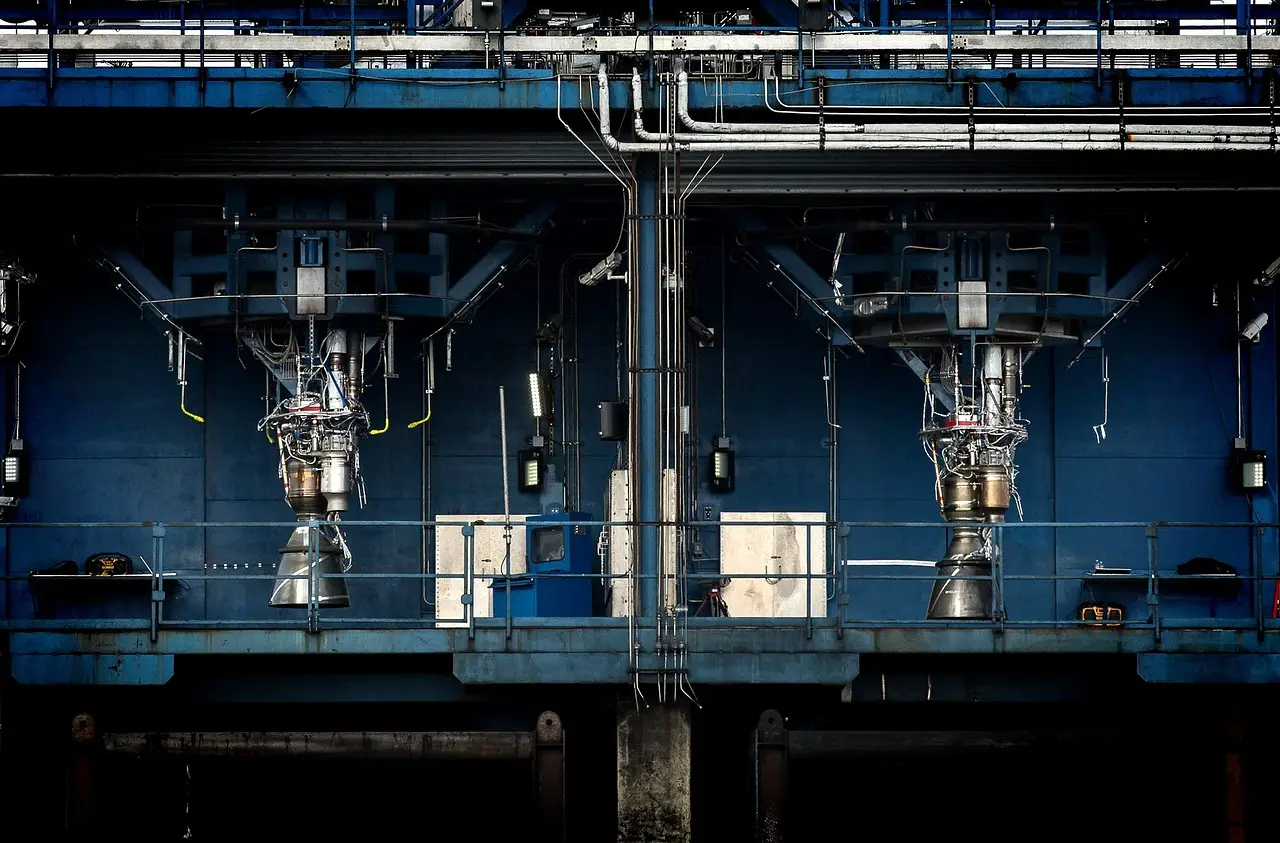
NASA fired RS-25 engine No. 10001 for nearly eight and a half minutes on Oct. 21, 2026, running a 500-second hot fire at 111% power level at the agency's Stennis Space Center near Bay St. Louis, Mississippi.
That duration is not arbitrary. It matches, almost to the second, the time RS-25 engines burn during an actual launch of NASA's SLS (Space Launch System) rocket. In other words, the engine experienced a full mission's worth of firing without leaving the ground.
A massive cloud of white vapor billowed from the test stand as the engine roared, with flames barely visible through the structure, according to a NASA image from the test shot by photographer Danny Nowlin.
What is the RS-25 engine?
The RS-25 is the workhorse engine behind NASA's Artemis Moon program. Each SLS rocket carries four of them. Together, those four engines produce up to 2 million pounds of combined thrust, the pushing force that lifts the rocket off the pad and toward orbit.
The engines have a heritage. They're derivatives of the engines that powered the space shuttle, but they've been upgraded and requalified for the heavier demands of the SLS. Running a test at 111% power means the engine fired slightly beyond its original rated baseline, a standard margin NASA uses to prove hardware can handle real-flight stress.
Why test an engine that won't fly?
Here's the twist: engine No. 10001 is a developmental engine, and it will never fly. So why burn it for 500 seconds on a stand in Mississippi?
Because that's how NASA proves and improves the design. The hot fire gives NASA and its prime engine contractor, L3Harris Technologies, critical data on engine performance and reliability. Engineers use that data to refine production engines, the ones that will actually carry astronauts.
It's a proving ground arrangement. Every RS-25 engine destined for flight must first demonstrate it's flightworthy at NASA Stennis before NASA will trust it on a launch pad. The developmental engines take the extra punishment so the flight engines don't have to gamble.
What happens next?
The Oct. 21 test feeds a continuous improvement loop. Data flows to NASA and L3Harris engineers, who look for ways to squeeze out more performance and fewer failure modes across the RS-25 fleet supporting Artemis missions.
The stakes are real. Artemis is NASA's program to return humans to the Moon and eventually push on to Mars, and every one of those missions begins with four RS-25 engines lighting at once beneath an SLS rocket.
Takeaway in plain words: NASA just made one of its rocket engines run a full launch, from start to finish, while bolted to the ground, because the data from that rehearsal makes the engines that do fly safer and better.
via NASA Breaking News (Source)
More from Elena Vasquez
Show full bio
Correspondent covering money, funding and market shifts around general science news at SciBeat.
261 articles
Nearby plates
- Starship Reaches Orbit for the First Time and Deploys 26 Starlink Satellites
- Starship reaches Earth orbit for the first time — with 26 satellites and an engine failure
- NASA Tests CubeSat with Single-Fuel Dual Propulsion System
- SpaceX Aims for First Starship Orbital Flight on 14th Test
- NASA Finds 40% More Amazon Fires Than Satellites Officially Show