Plate Nº 97 · recorded November 12, 2026
Space & AstronomyReported finding
NASA Launches New Plan to Bring Mars Samples Home by 2035
NASA has launched a new Mars sample return strategy, PSRA, kicking off in January 2027. China's Tianwen-3 aims to grab 500 grams of Mars rock by 2031.
By Nathan Brooks4 min read782 words
In brief
- NASA announced the Perseverance Sample Retrieval Architecture (PSRA) on November 9, with a team kickoff in January 2027 and a final report due winter 2027-2028.
- A rejected Mars Sample Return plan cost about $11 billion with a 2040 return date; an alternate appraisal found 2035 feasible for roughly $8 billion.
- China's Tianwen-3 mission plans to launch around 2028 and return about 500 grams of Martian samples to Earth in 2031.
- Perseverance has been collecting sealed samples in Jezero Crater since landing in February 2021.
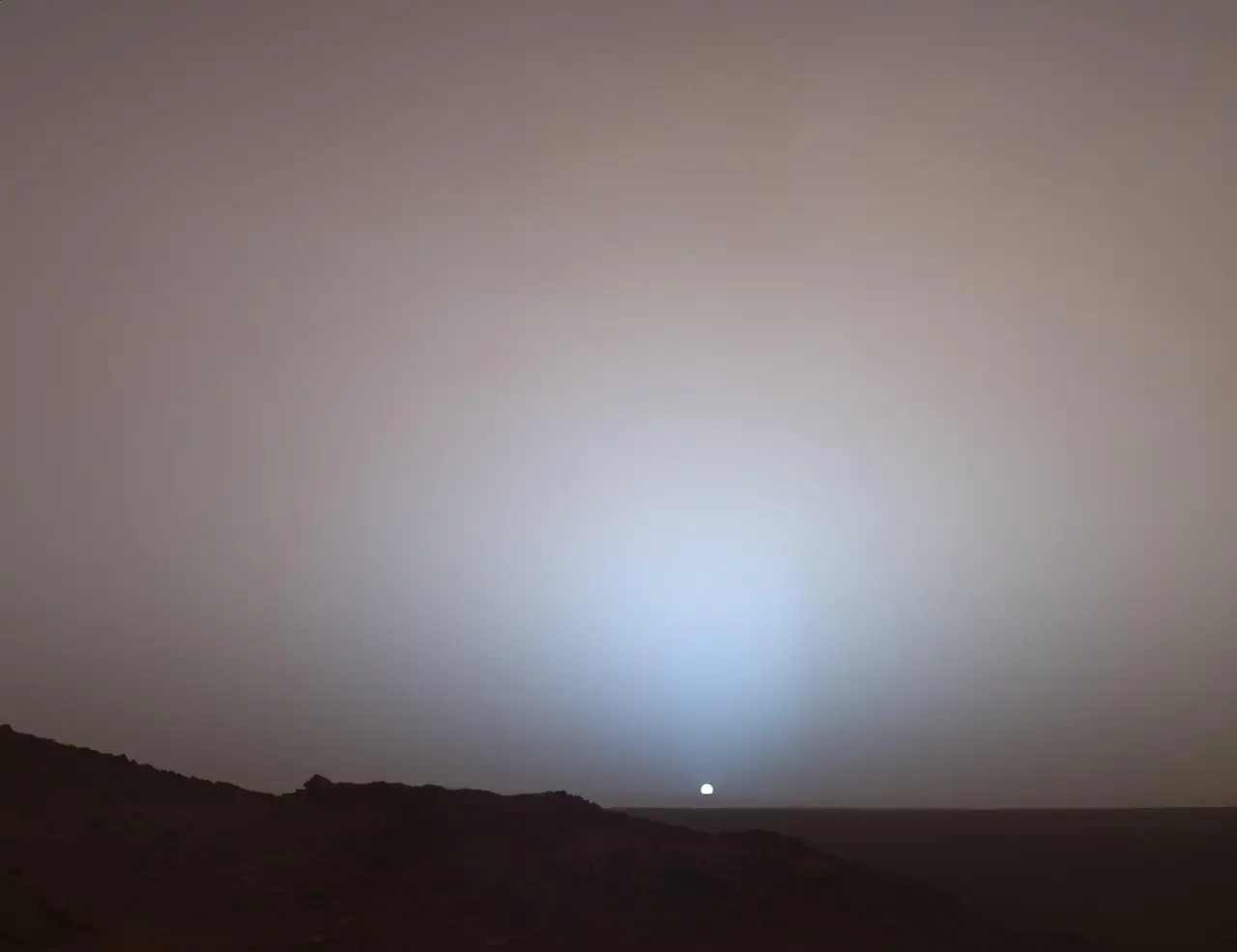
NASA has opened a fresh push to bring Mars samples back to Earth, announcing a new strategy effort on November 9 that could deliver Martian rock to laboratories years ahead of the agency's rejected $11 billion plan.
Tiffany Morgan, director of NASA's Mars Exploration Program, unveiled the initiative — called the Perseverance Sample Retrieval Architecture, or PSRA — during a virtual meeting of the Mars Exploration Program Analysis Group, or MEPAG. The panel is the community group that advises NASA on Mars science priorities.
What will the PSRA team actually do?
The team has four jobs, according to the strategy Morgan outlined:
- Develop impartial recommendations for retrieving the samples collected by NASA's Perseverance rover and delivering them to Earth
- Assess proposed mission requirements
- Review lessons learned from earlier planning efforts
- Evaluate current capabilities and acquisition options
A strategy team kickoff is scheduled for January 2027, with a final report due in winter 2027-2028. That timeline matters because China may beat NASA to the punch by several years.
Why the old plan fell apart
The backdrop is a program in trouble. Independent reviews of NASA's Mars Sample Return effort have repeatedly flagged sticker shock. One recent estimate put the price at roughly $11 billion, with samples not landing on Earth until 2040. NASA itself judged that too costly and too slow.
A separate appraisal group found a faster path: return samples as early as 2035 for around $8 billion — a saving of about $3 billion, roughly the cost of an entire flagship-class space telescope mission. How the PSRA review weighs those competing figures remains, for now, in the to-be-determined column.
The samples are already waiting
One thing isn't in question: the goods exist. Perseverance, a car-sized rover that touched down in Jezero Crater in February 2021, has spent years drilling select rock specimens. It has stashed sealed tubes inside its body and dropped others onto the Martian surface.
Scientists think those tubes may hold evidence of past life on Mars. NASA and the European Space Agency have spent years planning spacecraft that would collect the rover's pickings — including sniffs of Martian atmosphere — and fly them home for study with lab equipment too heavy to fly to Mars.
Why robots instead of astronauts?
Speaking at the same MEPAG meeting, Bruce Jakosky of the Laboratory for Atmospheric and Space Physics at the University of Colorado Boulder argued samples must come back before humans go. He drew on recommendations from a workshop last May organized by Explore Mars, Inc.
That report focused on how Mars Sample Return reduces risk for crewed missions rather than on pure science, Jakosky told Space.com. "The purpose is to understand the risk to astronauts and to hardware," he said.
"The risk includes that from compounds that are present in the soil that are hazardous to astronauts if breathed in," Jakosky said. "This includes perchlorates and chloromethanes that have been identified already, and detection of other species that might be present. It also includes dust that can be breathed in by astronauts and that can affect hardware wear and tear."
His list of reasons to return samples before humans land includes:
- Identify and characterize hazardous chemicals such as perchlorates and chloromethanes to protect astronaut safety
- Characterize fine dust particles that could cause respiratory problems for crews
- Study dust and regolith behavior to inform spacesuit design and wear patterns
- Search in advance for any existing Martian life that could interact with terrestrial life
- Provide early context that boosts astronaut effectiveness and science return on the surface
- Demonstrate a successful round trip to Mars, including entry, descent, landing and surface ascent
- Rehearse planetary protection protocols, making equivalent rules for human missions easier to plan
The China factor
Pressure is also coming from abroad. China's Tianwen-3 Mars Sample Return mission is moving forward, and it's moving fast.
According to the China National Space Administration, the Tianwen-3 probe will carry a lander, an ascender, a service capsule, an orbiter and an Earth reentry module. The mission appears on track to launch around 2028 aboard two Long March-5 heavy-lift rockets from the Wenchang Space Launch Site on Hainan, China's southernmost island province.
China's target: roughly 500 grams of Martian material back on Earth in 2031 — about the weight of a stick of butter. That would be four years before NASA's cheapest projected timeline, and nine years before the 2040 date NASA already rejected as too slow.
For now, NASA's answer is a study team that won't even meet until January 2027. Whether PSRA can close that gap is the open question hanging over the entire program.
via space.com (Source)
More from Nathan Brooks
Show full bio
Market editor covering companies, deals and strategy in general science news at SciBeat.
325 articles
Nearby plates
- NASA Books a Ride for Its $400 Million Moon Rover PROMISE
- NASA Details Its Role in Japan's Mission to Mars's Moons
- Perseverance rover uncovers three water histories in Jezero Crater
- NASA Picks Three New Payload Suites to Scout Its Future Moon Base
- NASA Joins Japan's MMX Mission to Bring Home a Piece of Phobos