Plate Nº 42 · recorded October 10, 2026
Biology & EvolutionReported finding
Native Nature-Strip Gardens Multiply Urban Insects Sevenfold
Melbourne researchers found native gardens on nature strips raised insect numbers sevenfold and doubled species counts, with bees responding most strongly.
By Priya Raman3 min read681 words
In brief
- Insect abundance was seven times higher on nature strips planted with native gardens compared with grass strips.
- The number of insect species approximately doubled after native plantings.
- The study, led by Dr. Philippa Bell, appears in the Journal of Applied Ecology (2026).
- Fieldwork covered nature strips across Merri-bek City Council in Melbourne's north.
- Councils across Greater Melbourne already permit residents to garden in nature strips.
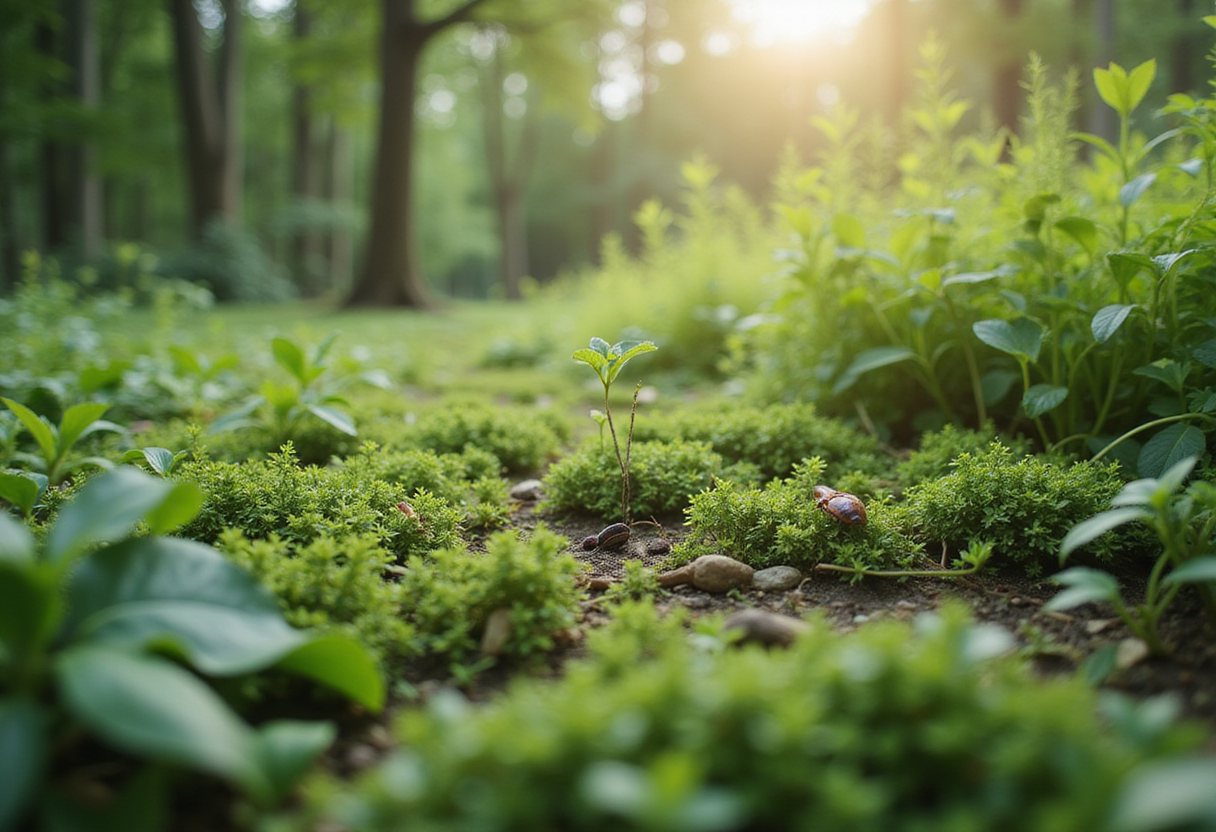
Insect numbers rose sevenfold and species counts roughly doubled after residents replaced conventional grass on suburban nature strips with native habitat gardens, University of Melbourne researchers report.
The study, published in the Journal of Applied Ecology, examined nature strips across Merri-bek City Council in Melbourne's north. Researchers surveyed the strips before and after planting to measure how these overlooked slivers of urban land can support native pollinators — the bees, beetles and butterflies that ecosystems and agriculture depend on.
Why does it matter?
Lead author Dr. Philippa Bell, of the University of Melbourne's School of Agriculture, Food and Ecosystem Sciences, said many pollinator species are declining because of habitat loss and environmental change.
"As pollinator populations decline, the ecosystems and agricultural industries that depend on them face increasing pressure," Bell said.
The problem, in plain terms, is that traditional lawn nature strips offer insects almost nothing.
"Like us, insects need food and shelter to survive and thrive. Traditional lawn nature strips offer little in the way of shelter, and frequently mowed lawns rarely allow plants to flower," Bell said.
A nature strip — also called a road verge — is the strip of grass between a footpath and the road. These strips are found throughout cities and, according to Bell, are usually covered in simplified vegetation that offers little value to urban fauna.
What did the researchers find?
After native habitat gardens went in, the results were striking:
- Insect abundance: seven times higher than on conventional grass strips.
- Species richness: approximately double that of grass-only strips.
- Bees: the strongest responders, closely tied to the number and diversity of flowering plants.
- Butterflies and beetles: positive responses, though more variable.
"Bees showed the strongest affinity for these gardens and were positively associated with the number of flowers and the number of different plants in flower," Bell said.
The study used a before-after-control-impact design, meaning researchers compared the same strips before and after planting while tracking unplanted strips as controls. That approach strengthens the case that the gardens themselves — not seasonal swings or site differences — drove the insect gains.
Still, the findings come from a single council area in Melbourne's north, so results in other cities, climates or vegetation types may differ.
Can one garden make a difference?
Bell argues that individual gardens are valuable but collective action is far more powerful. Because road verges thread through entire suburbs, linking many small plantings could create connected habitat corridors for pollinators and other wildlife.
"While individual nature-strip gardens are a great start, collective urban-greening actions on nature strips have the capacity to effectively support pollinators in cities," Bell said.
The findings carry implications for local governments and policymakers seeking practical ways to improve urban biodiversity. Councils across Greater Melbourne already permit residents to garden in nature strips, and many actively encourage the practice through urban greening and biodiversity programs.
"Many people still hold the perception that gardening in their nature strip is prohibited or discouraged, but councils across Greater Melbourne permit it. We encourage residents to check their local council guidelines and consider getting involved," Bell said.
"This research provides evidence that can support council investment in nature-strip gardening and help inform future biodiversity strategies."
What about people, not just bugs?
The benefits extend beyond biodiversity, Bell said. As cities and human populations grow, more people encounter less nature in daily life — a phenomenon researchers call the "extinction of experience," in which people become disconnected from and apathetic toward the natural world.
"As people in cities become disconnected from nature, the streetscape presents an opportunity to support well-being and nature connectedness," Bell said. "People who are more connected to nature do more to protect it."
In other words, a patch of native flowers beside the road may feed bees in the short term — and nourish human commitment to conservation in the long run.
Publication details: Philippa L. Bell et al., "Enriching streetscape habitat for urban insects: A before–after-control-impact study in Melbourne, Australia," Journal of Applied Ecology (2026). DOI: 10.1111/1365-2664.70567.
via Phys.org Biology (Source)
More from Priya Raman
Show full bio
Senior reporter covering industry trends and analytics at SciBeat.
207 articles
Nearby plates
- Over 80% of Insect Species Live in the Tropics. Science Keeps Missing Them
- Small Crop Patches Draw 70% More Birds, Three-Year Study Finds
- Insects Keep Vertebrates Alive as Food, Medicine and Home Builders
- Climate, not latitude, drives global plant-pollinator specialization
- Cities May Be Training Invasive Plants to Survive Climate Change