Recorded November 24, 2026
Health & Medicine ResearchReported finding
Newborns Skipping Vitamin K Shot More Than Doubled Since 2017
U.S. newborns skipping the vitamin K shot rose from 3.1% in 2017 to 6.8% in 2025, per JAMA. Unvaccinated babies are 81 times more likely to suffer brain bleeding; 1 in 5 who do, die.
By Nathan Brooks5 min read1,049 words
In brief
- Newborn vitamin K refusal rose from 3.1% in 2017 to 6.8% in 2025, per JAMA research published in November.
- Babies without the shot are 81 times more likely to develop serious vitamin K deficiency bleeding; 1 in 5 of those babies die.
- Pediatrician Torrie LeBlanc converts about 50% of refusing parents; other doctors report 20%–40% success.
- HHS Secretary Robert F. Kennedy Jr. declined in April to affirm the shot's safety at a congressional hearing.
- LeBlanc's two-year initiative at Corewell Health in Grand Rapids has flattened refusal rates despite daily refusals.
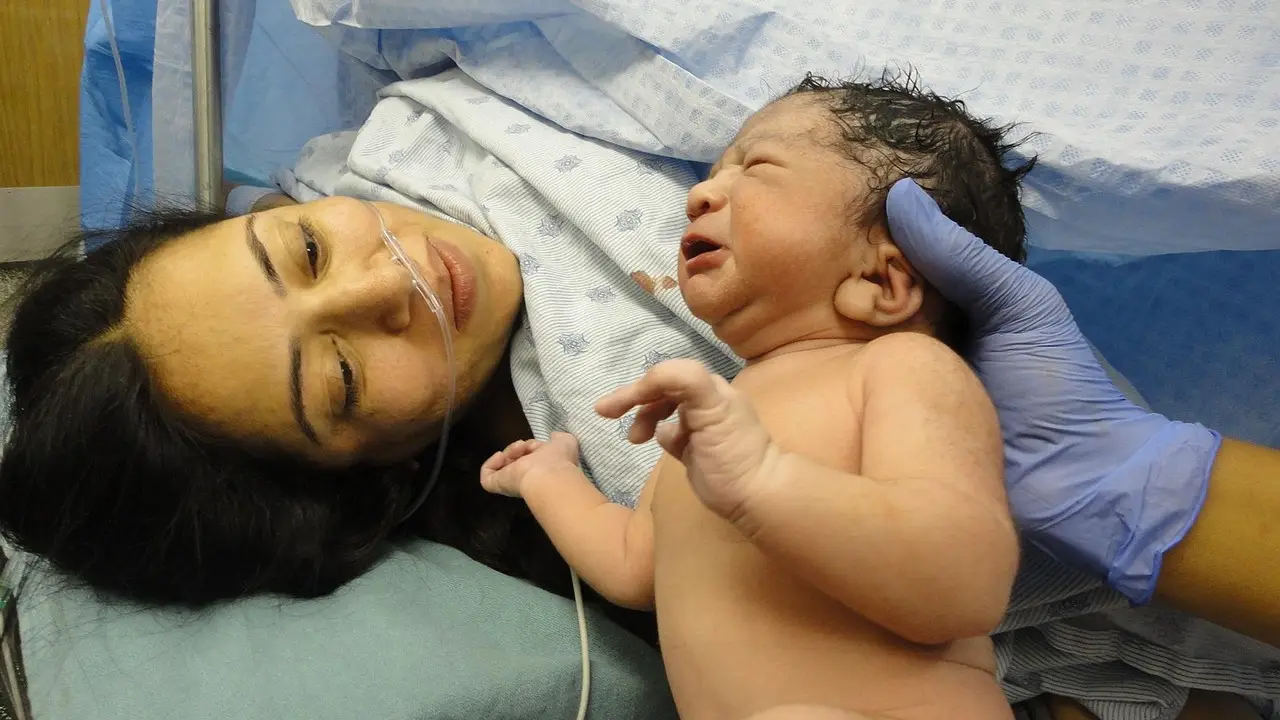
The share of U.S. newborns who leave the hospital without a vitamin K injection has more than doubled, from 3.1% in 2017 to 6.8% in 2025, according to research published in JAMA in November. Doctors at multiple hospitals say the consequence is no longer theoretical: babies are arriving with life-threatening bleeding from a condition that was once a rarity.
Vitamin K deficiency bleeding, or VKDB, strikes babies born with naturally very low levels of the vitamin. Since the 1960s, a single injection given within six hours of birth has been routine newborn care, and the Centers for Disease Control and Prevention says the shot is safe, with virtually no severe side effects.
What do the numbers say about the risk?
Among babies who get the shot, fewer than 1 in 100,000 develop the most serious form of VKDB, which can involve bleeding in the brain. Babies who don't get the shot are 81 times more likely to develop the condition, according to the CDC — and of those who do, 1 in 5 die.
At Corewell Health in Grand Rapids, Michigan, at least one family refuses the injection for their newborn every day. Pediatrician Torrie LeBlanc, who began a two-year fellowship at the system's children's hospital in 2024, launched an initiative to push refusal rates down. Two years in, the team won a modest victory: refusals there are now flat, even as refusals of other standard newborn medications, including the hepatitis B vaccine, keep climbing.
How bad can it get?
LeBlanc still remembers one case from last year. Roughly 36 hours after birth, a baby girl started bleeding "from everywhere" — her eyes, nose, and rectum all oozed blood. Nurses and doctors rushed her from the labor and delivery unit to the neonatal intensive care unit, pumping fresh frozen plasma and other blood products into her small body.
Her parents had declined the vitamin K shot. With their daughter on the verge of bleeding to death, they finally agreed to let doctors administer vitamin K. It worked. The baby survived largely because treatment came almost instantly, according to LeBlanc and an attending physician who helped care for her. Had the bleeding started at home, they believe she would have died.
Solomon Behar, a pediatric emergency medicine doctor in Los Angeles, recently treated an infant with VKDB who died. "It just made me sad more than anything else," he said. "This was something that literally was a historical footnote up until the recent modern time."
Why are parents refusing?
The refusals track a broader wave of vaccine hesitancy. Prominent conservative influencers suggest the shot is tied to childhood cancer. Parenting forums and wellness influencers on podcasts and TikTok — including some medical professionals — allege babies have been injured by the shot or call it unnecessary or unnatural.
When Health and Human Services Secretary Robert F. Kennedy Jr. was asked at a congressional hearing in April to assure parents the injection is safe, he demurred. "I've never said anything about vitamin K," he said.
LeBlanc gets about 50% of initially refusing parents to change their minds; other doctors at the hospital report success rates closer to 20% to 40%. "I honestly thought it would be easier," LeBlanc said. "The more people I talk to, the more I learn about the misinformation that's online."
What's working in the exam room?
LeBlanc's team built concrete tools. A basic fact sheet answers the most common parent questions about the shot and the risks of skipping it. Labor and delivery nurses now use a script: "The standard of care for all babies born here includes vitamin K, hepatitis B vaccine, and erythromycin eye ointment. Do we have your permission to give these medications to your baby following delivery?"
The harder part is teaching doctors to handle the fears behind refusals. LeBlanc trained staffers in motivational interviewing, a technique developed for treating substance use disorders that is gaining ground for addressing vaccine hesitancy. The approach requires treating parents with "unconditional positive regard or acceptance," one study urged, with parental autonomy paramount.
"We can't walk into rooms where families don't know us from the doorknob and say, 'You have to do this,'" said Jaspreet Loyal, a pediatrician at Yale New Haven Hospital in Connecticut and a longtime leader in vitamin K refusal research. Her advice to doctors: "We are on the same team. You're looking out for your child. I'm looking out for your child."
A refusal is now logged in the electronic medical record, so the family's regular pediatrician can raise it at the first well-child visit — and ER staff will know immediately if a bleeding baby never got the shot.
Is there a middle ground?
LeBlanc and Loyal argue that doctors should be more open to parents who decline the injection but want liquid drops or crushed tablets instead. That's controversial: oral vitamin K isn't as effective as the shot, requires multiple doses over weeks or months, and no oral supplement has federal approval.
"The injection is the gold standard," LeBlanc said. "However, I would rather have them have some protection with the oral than no protection at all."
The stakes showed up again in May, when a 2-week-old baby arrived at Helen DeVos Children's Hospital with symptoms of meningitis. The parents had declined the vitamin K shot, making a lumbar puncture — a needle inserted into the lower back to sample spinal fluid — risky, since the baby might not stop bleeding. Then the parents refused the puncture too, the mother saying she did not believe her child had meningitis.
After hours of debate, doctors offered a compromise: treat the baby for meningitis without a confirmed diagnosis, meaning two weeks of intravenous antibiotics. The mother later wrote the medical team a thank-you note, now hanging on a staff room wall: "Almost every single one of you has shown so much grace to us."
Both families — the near-fatal VKDB case and the suspected meningitis case — still declined routine vaccinations when they left the hospital. LeBlanc worries each time she fails to persuade a family. "What if the next time she sees that baby is in the ICU?" she thinks. "I couldn't convince them."
via feeds.npr.org (Source)
More from Nathan Brooks
Show full bio
Market editor covering companies, deals and strategy in general science news at SciBeat.
582 articles
Nearby plates
- Vitamin K Refusals Rise, and Newborn Bleeding Cases Rise With Them
- Model: Ending Birth-Dose Hepatitis B Vaccination Could Leave 1.8 Million Unprotected
- Maternal RSV vaccine cuts infant hospitalization by 74%, but uptake lags
- HPV Vaccination Before Pregnancy Linked to Lower Preterm Birth Risk
- Iron Pills for Kids: 50,000-Child Review Finds Real Benefits, Real Limits