Plate Nº 75 · recorded October 10, 2026
Health & Medicine ResearchReported finding
HPV Vaccination Before Pregnancy Linked to Lower Preterm Birth Risk
A Swedish study of 624,713 first-time births linked HPV vaccination before pregnancy to lower odds of preterm birth and other complications, especially when given before age 17.
By Priya Raman3 min read555 words
In brief
- Researchers tracked 624,713 first-time singleton births in Sweden between 2006 and 2023.
- 92,620 women (about 15%) had received the quadrivalent HPV vaccine before pregnancy.
- Statistically significant reductions appeared for preterm birth, very preterm birth, spontaneous preterm birth, preterm prelabor rupture of membranes, and delivering a severely small baby.
- Risk reduction was generally larger among women vaccinated before age 17.
- The BMJ published the study in 2026 (DOI: 10.1136/bmj-2026-100739).
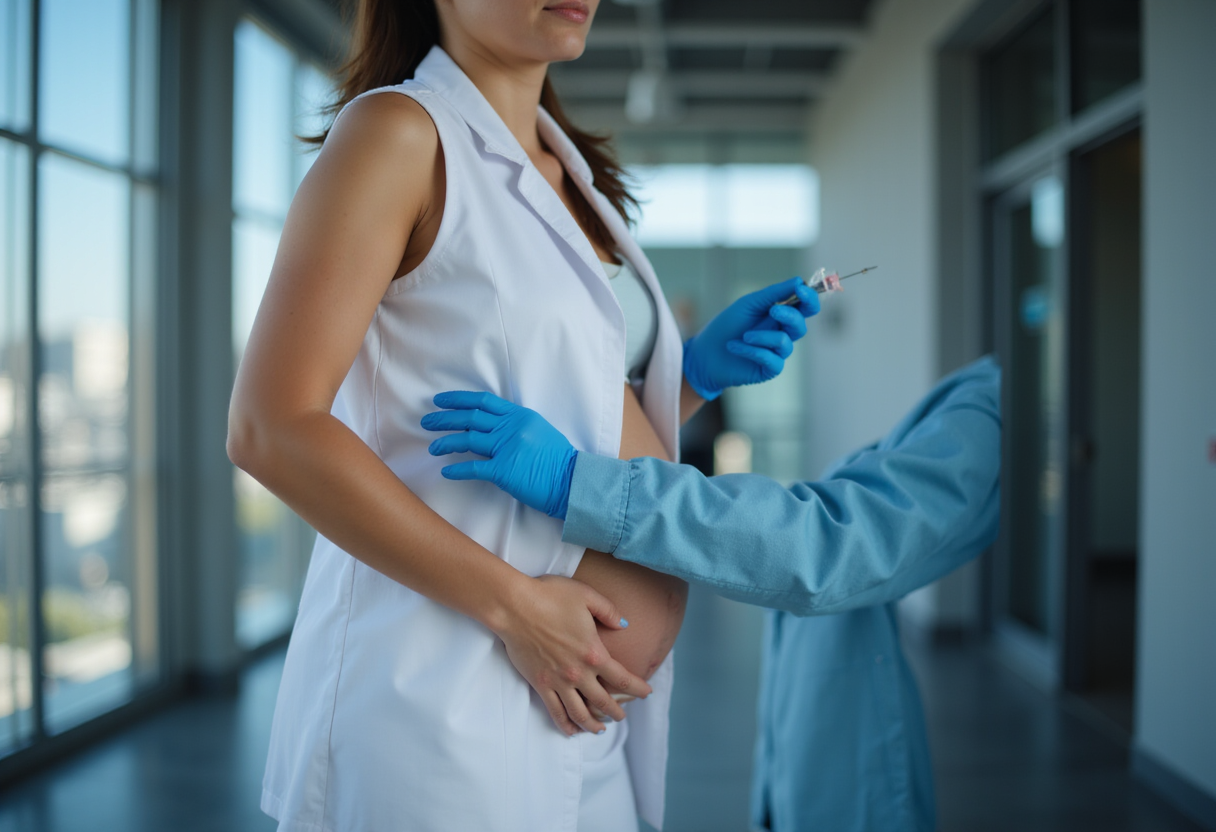
A Swedish study tracking 624,713 first-time births found that women who received the quadrivalent HPV vaccine before pregnancy had lower odds of preterm birth and several other serious complications. The strongest reduction appeared in those vaccinated before age 17.
The research, published in The BMJ, adds to evidence that HPV vaccination's benefits extend well beyond cancer prevention.
How was the study done?
Researchers drew on nationwide Swedish registries covering 624,713 singleton, first-time births to women ages 16 to 35 between 2006 and 2023. Of those women, 92,620 — about 15% — had received the quadrivalent HPV vaccine before conceiving.
The quadrivalent HPV vaccine targets four strains of the virus, including types 16 and 18, which cause roughly 70% of cervical cancers. HPV itself ranks among the most common sexually transmitted infections.
The team defined "cases" as women who experienced at least one of these adverse outcomes:
- Preterm birth (before 37 weeks)
- Very preterm birth (28 to 31 weeks)
- Spontaneous preterm birth
- Preterm prelabor rupture of membranes
- Delivering a severely small baby
- Stillbirth or newborn death
Investigators matched each case with up to 10 control women of the same age and year of conception. The analysis accounted for smoking, body mass index at the first prenatal visit, maternal diagnoses, assisted reproduction, country of birth, family income, and education level.
What did the researchers find?
After controlling for these factors, HPV vaccination before pregnancy correlated with lower odds of every adverse outcome the team tracked. The reductions reached statistical significance for:
- Preterm birth
- Very preterm birth
- Spontaneous preterm birth
- Preterm prelabor rupture of membranes
- Delivering a severely small baby
Risk reduction was generally larger among women vaccinated before age 17.
Why might HPV vaccination matter before pregnancy?
Previous studies have linked both HPV infection itself and the procedures used to treat HPV-related cervical lesions to higher rates of pregnancy complications, including preterm birth. Preventing the infection from taking hold could spare mothers and babies some of that risk, the team notes.
What are the study's limitations?
Because the design was observational, no firm cause-and-effect conclusion is possible. The authors flag incomplete data on spontaneous abortions and limited investigation of the biological pathways linking HPV vaccination to pregnancy outcomes. Unmeasured factors could also have skewed the results.
Still, the researchers argue that the study's large sample, long follow-up, and consistent results across sensitivity analyses minimize bias and misclassification.
What does the study add?
The results extend HPV vaccination's known benefits beyond cancer prevention to include potential protection against pregnancy complications. Risk reduction was largest in women vaccinated before age 17, suggesting that vaccinating girls well before they reach reproductive age offers the greatest pregnancy-related benefit. The team says their findings support the global strategy of HPV vaccination and its continued use in routine immunization programs.
What do the authors say?
The team writes: "Together with previous research showing the safety of human papillomavirus vaccination during pregnancy, our results suggest that human papillomavirus vaccination is not only safe with respect to pregnancy outcomes." They add that it "may also confer additional benefits by reducing the risk of adverse events."
They add: "Collectively, this evidence supports the global strategy for human papillomavirus vaccination and its continued implementation in routine immunization programs."
The BMJ published the study in 2026.
via Medical Xpress (Source)
More from Priya Raman
Show full bio
Senior reporter covering industry trends and analytics at SciBeat.
207 articles
Nearby plates
- Maternal RSV vaccine cuts infant hospitalization by 74%, but uptake lags
- Newborn Heel-Prick Blood Samples May Help Measure Infection Protection
- No Clear Link Between Rotavirus Vaccination and Type 1 Diabetes
- Researchers track two pathways behind recurrent bacterial vaginosis
- Shingles Vaccine Tied to 24% Lower Dementia Risk in Older Adults