Plate Nº 72 · recorded November 13, 2026
Biology & EvolutionReported finding
Nine Young Sea turtles Settle Into a Human-Made Lagoon in the Gulf of Oman
Tracked juvenile green turtles spent over 80 percent of their time in a human-made UAE lagoon, a study finds — but the site works only with its natural mangroves intact.
By James Calloway4 min read700 words
In brief
- Nine tracked juvenile green turtles spent over 80 percent of their time in the human-made Al Qurm Wa Lehhfaiiah Protected Area lagoon
- The lagoon was excavated in 2003 as an extension of the Khor Kalba mangroves and has been a Ramsar wetland since 2013
- Turtles were five times more likely to be found in the artificial basin than in surrounding habitats
- One tracked turtle swam over 430 miles south to central Oman
- The study was published in the journal Aquatic Conservation, led by Brendan Whittington-Jones of Sharjah's EPAA
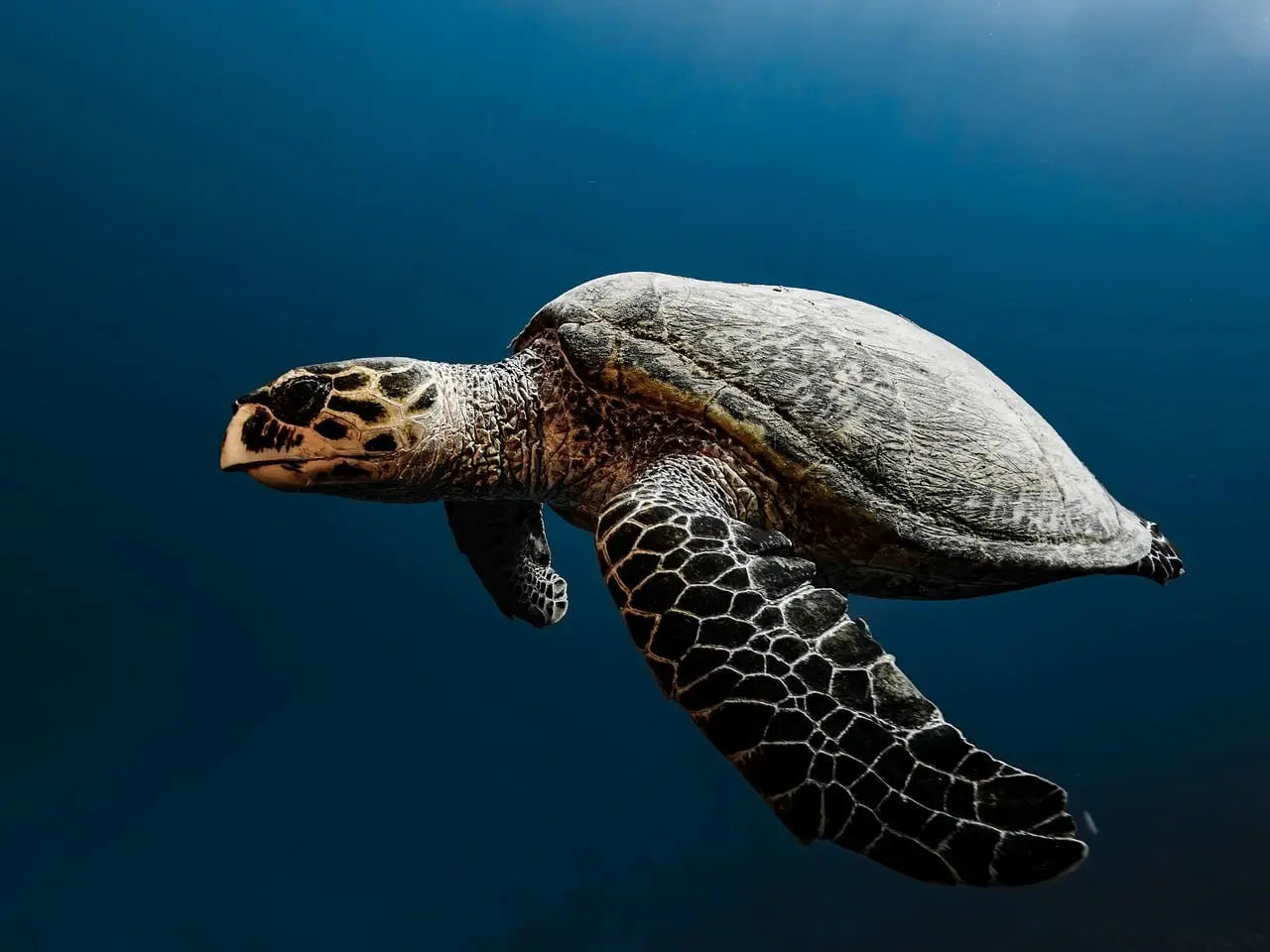
Nine juvenile green turtles are spending more than 80 percent of their time inside a human-made lagoon on the United Arab Emirates' Gulf of Oman coast. That is the headline finding of a study published in the journal Aquatic Conservation, and it comes with a twist: nobody designed the lagoon for turtles.
The basin sits within the Al Qurm Wa Lehhfaiiah Protected Area, an artificial wetland excavated in 2003 as an extension of the Khor Kalba mangrove trees. Since 2013, the site has held Ramsar Convention status as a wetland of international importance and recognition as a Key Biodiversity Area. Turtles now gather there in large numbers, beyond the salt-tolerant trees and shrubs lining the coast.
What did the tracking actually show?
The research team fitted nine juvenile green turtles (Chelonia mydas) — animals with shells under 23 inches across — with tracking devices and followed their movements. The results point to what the researchers call "strong reliance" on the man-made basin. A turtle in the study was five times more likely to turn up in the lagoon than in the surrounding habitats.
Why stick around? The basin floor is covered in algae, which likely means the turtles have plenty to eat. A few sharks have also made their way into the habitat, though the study does not dwell on what that means for the turtles.
Was the lagoon built for turtles?
No. And that is the interesting part.
"The fact these turtles are using the artificial basin appears to be a happy accident, and an example of how wildlife can find a way in a world increasingly shaped by humans," said Dr. Owen Exeter, a study co-author and marine conservation ecologist at the University of Exeter. But he immediately added a caveat: "However, without the natural mangroves connecting to this system, it's unlikely that this would have occurred."
In other words, the engineered basin works only because the natural mangrove channels feed into it. Those channels let juvenile turtles move with the tides and reach the open sea. Protect the lagoon alone, the finding implies, and you may lose the turtles anyway.
The turtles' life cycle raises another problem the study cannot solve. These animals depend on nesting beaches, and many of those beaches have already been lost to coastal development in the region. Fishing, vessel traffic and pollution affect other nearby areas. One tracked turtle swam more than 430 miles south to central Oman, which highlights the need for conservation management once these mobile animals grow old enough to leave their wetland nurseries.
What does this change for conservation?
For coastal planners, the study offers a qualified lesson. Engineered wetlands can host real biodiversity — but only, as study leader Brendan Whittington-Jones of the Sharjah Environment and Protected Areas Authority put it, "provided they are designed for ecological connectivity and subsequent human pressures and threats are minimised."
There is also a policy angle closer to home. "The government of Sharjah currently protects most of this area from building development, fishing and boating — preserving the last mangrove ecosystem on UAE's east coast," Exeter said. That protection covers most, not all, of the area. The gap matters.
Wetlands rank among the most threatened ecosystems on the planet, and coastal wetlands in particular serve as nurseries and feeding grounds for turtles and other marine species. "We urgently need to understand how key species use both modified and protected wetlands," Exeter said.
How solid are the numbers?
Here the skepticism kicks in. Nine turtles is a small sample, and the study tracked juveniles only in one corner of one Gulf. The 80 percent figure describes where those specific animals spent their time, not a regional trend. Nobody yet knows whether the basin supports successful long-term survival, or whether the turtles that leave — like the one that reached Oman — fare well on their journeys.
Still, the core finding stands on its own evidence. An artificial lagoon, dug in 2003 for mangrove extension, now functions as a de facto turtle nursery. Wildlife found a way. Whether we keep the door open is a separate question, and one the study's authors clearly want answered with more protection, not less.
via popsci.com (Source)
More from James Calloway
Show full bio
Staff writer covering regulation, policy and their impact on general science news at SciBeat.
364 articles
Nearby plates
- Green turtles rebound to 'least concern' amid steep global wildlife declines
- Record Leatherback Nests in Ecuador Offer Hope for a Dying Turtle Subspecies
- Swimming Sea Cucumbers Intercept Sinking Carbon in the Deep Ocean
- Two Remote Pacific Atolls Rank Among the World's Last Intact Reefs
- Aldabra's giant tortoises near 183,000 in first rigorous atoll-wide count