Plate Nº 93 · recorded November 17, 2026
Earth & ClimateReported finding
Pharmaceuticals Found at 90% of River Sites Take UN Stage
Pharmaceuticals appeared at 90% of 2,135 monitored river and estuary sites worldwide. Scientists now take the data to a landmark UN chemicals summit in Geneva.
By Nathan Brooks3 min read684 words
In brief
- At least one pharmaceutical was found at 90% of 2,135 river and estuary sites across 100+ countries.
- Antibiotics exceeded antimicrobial-resistance risk levels at 15% of sites.
- York and Health Care Without Harm nominated pharmaceutical pollution as a UN Issue of Concern, one of four being considered in Geneva.
- Two 2026 papers propose a four-criteria 'safe pharmacy' framework and nine management solutions with milestones for 2030, 2040 and 2050.
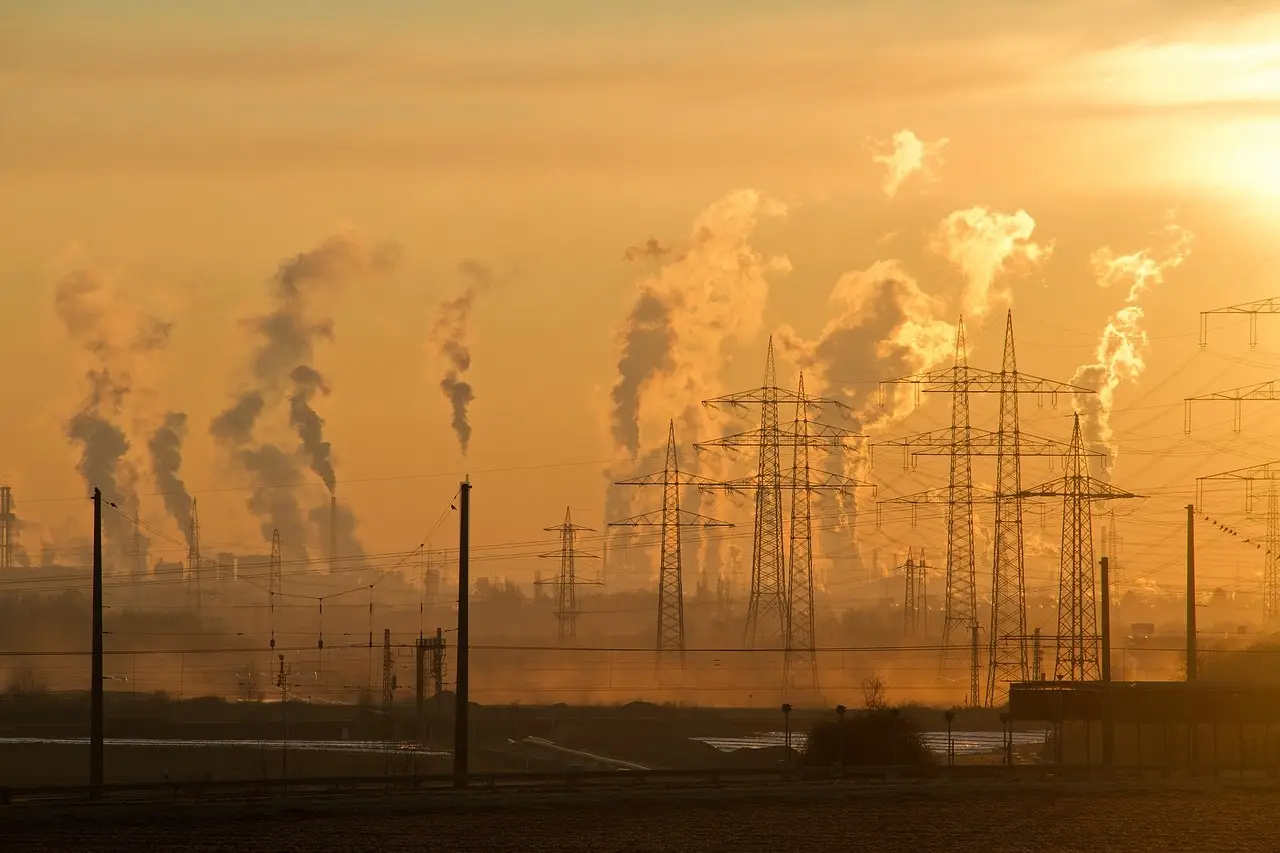
At least one pharmaceutical turned up at 90% of the 2,135 river and estuary sites scientists have tested worldwide — and this week that dataset gets its moment on the diplomatic stage. Researchers from the University of York and City University of Hong Kong will present the numbers at the first International Conference of the Global Framework on Chemicals, running November 16–20 in Geneva.
The meeting is the first since governments adopted the global chemicals-and-waste agreement in 2023. York's team, working with more than 220 partner organizations, will urge countries to treat medicines in waterways as an international problem rather than a local one.
What did the monitoring actually find?
The Global Pharmaceutical Monitoring Project is one of the largest studies of its kind, combining a global river survey led by York with the Global Estuaries Monitoring Programme led by City University of Hong Kong. Together they cover 370 rivers and estuaries across more than 100 countries, in areas home to roughly a billion people — about one in eight people on Earth.
The headline figures:
- At least one pharmaceutical appeared at 90% of sites.
- Carbamazepine, an antiepilepsy drug, was the most widespread compound, detected at 77% of sites.
- At 30% of sites, at least one compound exceeded levels considered safe for aquatic life.
- At 15% of sites, antibiotics sat at concentrations that could encourage antimicrobial resistance.
- The worst-hit rivers and estuaries were mostly in low- and middle-income countries, where wastewater treatment is limited.
Anyone can explore the underlying data at globalpharms.org and globalestuaries.org.
Who is pushing for action in Geneva?
Alistair Boxall, a professor in York's Department of Environment and Geography, put the stakes plainly. "Pharmaceutical pollution is a global problem that no country can solve alone," he said. "This conference is the moment to place the problem on the international agenda to catalyze action to bring concentrations of pharmaceuticals in the environment down to levels that are safe for humans and the planet."
Kenneth Leung, a professor in City University of Hong Kong's State Key Laboratory of Marine Environmental Health, stressed the consistency of the science. "This is a rare international collaboration on this scale, using the same methods to collect and analyze samples worldwide," he said. The results, he added, show where pollution occurs, where the hot spots are and which contaminants matter most — "much like a thorough health checkup that identifies problems so they can be treated."
Throughout the week, the team will run an exhibition booth with an interactive world map, country-specific information sheets in more than 50 languages, and an interactive quiz, "The Big Water Quiz: Pharmaceuticals from Source to Sea," on the conference's Spotlight Stage.
What are the two new papers?
The team will promote two studies published earlier this year that map out fixes. The first, in Environmental Science & Technology, was written by 13 experts and proposes a framework for an "Environmentally Safe and Just Pharmacy." It defines four criteria and 12 subcriteria the pharmaceutical life cycle must meet to be safe for the planet — and finds current practice only partly, or poorly, aligns with them.
The second, in npj Emerging Contaminants, turns that diagnosis into a plan. It lists nine management solutions spanning drug design, regulation, manufacturing, prescribing, agriculture, and waste and wastewater treatment. Six cross-cutting actions back them up, with measurable milestones for 2030, 2040 and 2050.
Could this become a formal UN issue?
Possibly. York and the NGO Health Care Without Harm jointly nominated "Pharmaceutical pollution and its effects on human health and the environment" as a new Issue of Concern under the Global Framework. It's one of four new nominations governments will weigh in Geneva, according to UNEP.
Adoption is far from guaranteed — but if it happens, countries and other stakeholders would commit to coordinated international action. That could mean shared monitoring, better management of manufacturing and wastewater, and more responsible use and disposal of medicines. In other words, the billion people living along those sampled waterways would get more than a diagnosis; they'd get a treatment plan.
via phys.org/rss-feed/ (Source)
More from Nathan Brooks
Show full bio
Market editor covering companies, deals and strategy in general science news at SciBeat.
456 articles
Nearby plates
- 180 Million Water Tests Show Pollutants Hit Even Protected Rivers
- PFOS fell about 30% and PFOA 29% in England’s rivers over a decade
- UK commits £54 million to biosecurity, AMR and animal vaccines
- Microplastics Found in Blood of Wild Tapirs 40 Miles From Any Human Development
- Wastewater Bacteria Linked to Chronic Disease Rates in Ohio Study