Plate Nº 35 · recorded November 17, 2026
Earth & ClimateReported finding
Microplastics Found in Blood of Wild Tapirs 40 Miles From Any Human Development
Scientists found microplastics in 43 of 47 wild tapirs and giant anteaters in Brazil, some living 65 km from any human development. All 14 Pantanal animals tested positive.
By James Calloway4 min read733 words
In brief
- Microplastics appeared in the blood of 43 of 47 wild tapirs and giant anteaters tested in Brazil between 2021 and 2022.
- Blood concentrations averaged 73.8 particles per milliliter; one animal carried more than 1,200 particles per milliliter.
- All 14 animals sampled in the Pantanal had microplastics, some living 65 km from development and 112 km from the nearest waste facility.
- Animals living closer to human infrastructure generally carried more plastic particles, per GPS tracking analysis.
- The study, published in Nature, did not test whether the particles harm the animals and could not detect nanoplastics.
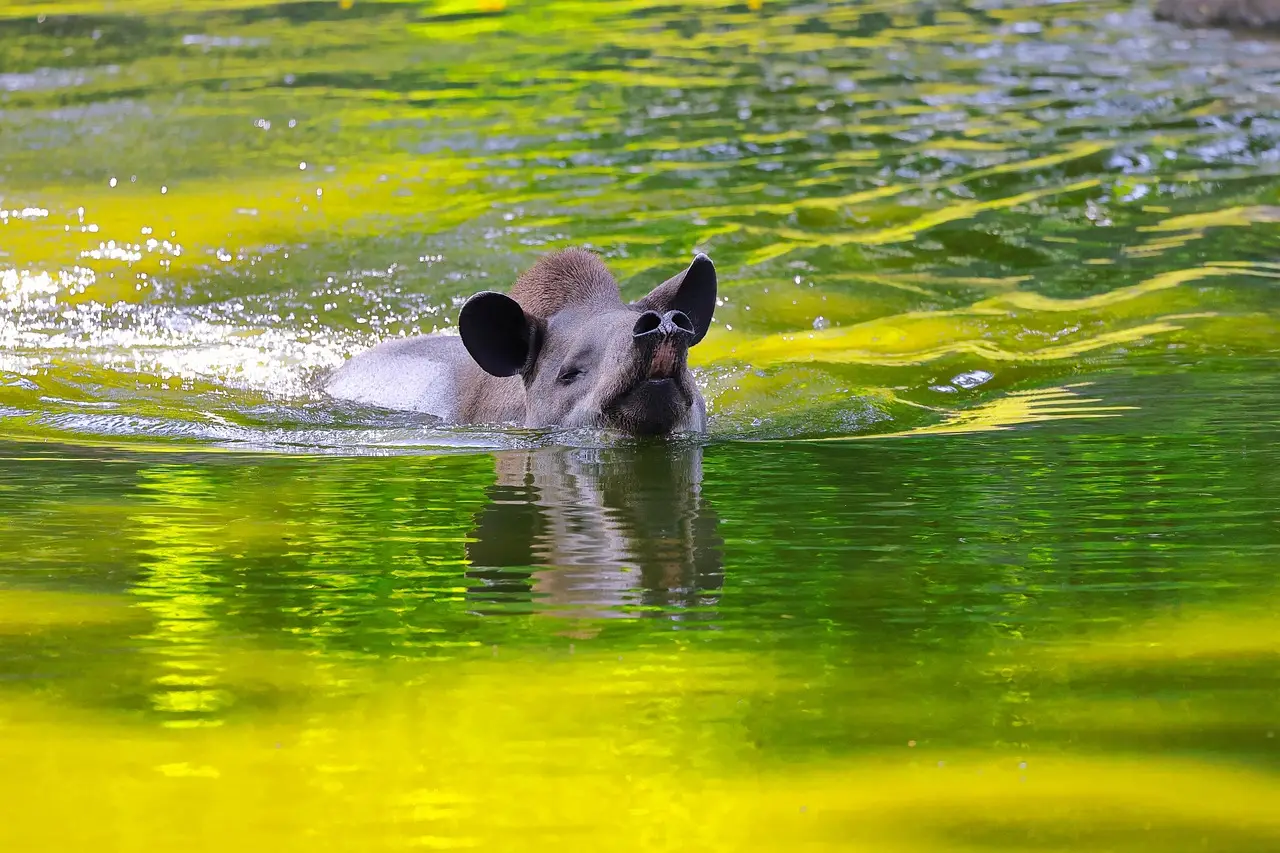
Scientists found microplastics in the blood of 43 out of 47 wild tapirs and giant anteaters in Brazil — and some of those animals lived more than 65 kilometers (40 miles) from the nearest human development.
The study, published in the journal Nature, is the latest sign that plastic pollution has reached even places we like to call pristine. One animal carried more than 1,200 particles per milliliter of blood. That's not a trace finding. That's contamination, full stop.
The numbers deserve a close look before the alarm bells ring too loudly, though. Let's walk through what the researchers actually did, and what they couldn't.
What did the study find?
Between 2021 and 2022, researchers collected blood samples from 26 lowland tapirs and 21 giant anteaters across three Brazilian regions: the Amazon rainforest, the Cerrado savanna, and the Pantanal wetlands. The sampling happened through existing conservation programs, which also monitored the animals with GPS trackers.
In the lab, the team used Raman spectroscopy — a technique that identifies materials by how they scatter laser light — to detect the particles. The results:
- 2,815 microplastic particles identified across all samples
- An average of 73.8 particles per milliliter of blood
- Tapirs averaged 98.9 particles per milliliter; giant anteaters 42.8
- That species difference wasn't statistically significant, the researchers noted
The most troubling finding came from the Pantanal, a vast wetland holding some of Brazil's least disturbed habitat. Every single one of the 14 animals sampled there had microplastics in its blood. Some lived more than 65 kilometers from development and 112 kilometers from the nearest waste-management facility.
"I honestly wish we had found no microplastics in those animals," lead researcher Marcia Ferraz told National Geographic. "Brazil has some of the most unique wildlife in the world, and it is also a place where that wildlife faces serious pressure, so finding plastic inside these animals, even in the most preserved places, was hard to see."
These aren't arbitrary species, either. Tapirs disperse seeds across forests — they're nicknamed "gardeners of the forest" — while giant anteaters help regulate insect populations. Contamination in animals that keep ecosystems running is a concern worth taking seriously.
How did the plastic get there?
To trace the source, researchers used GPS data from 40 animals with enough location records to reconstruct their home ranges. They compared those ranges against detailed maps of farms, roads, settlements, industrial development, and waste facilities, and calculated each animal's exposure to the Human Footprint Index — a measure of how extensively people have altered a landscape.
A clear pattern emerged. Animals whose territories included more heavily disturbed areas generally carried more microplastics. Those living closer to development and waste facilities tended to carry more particles.
"Our goal was to understand how the areas and habitats that animals move through influenced their uptake of microplastics," co-author Justin Calabrese said in a statement.
The backdrop matters here: human pressure on Brazilian landscapes rose 42% between 2001 and 2020, compared with 26% globally.
Microplastics also travel. They move enormous distances through the atmosphere, settle with rainfall, and spread through rivers and seasonal floods. Researchers have previously found microplastics in Arctic snow and in human blood.
What does this change for wildlife protection?
Honestly, the study raises more questions than it answers — and its own authors are careful about that. The research didn't investigate whether the particles harmed the animals. The tools used couldn't detect nanoplastics, the even smaller particles that may penetrate biological tissues more readily. And because the design was observational, it couldn't pinpoint where each animal picked up its plastic.
So no, this doesn't prove harm. But it does prove reach. The world's remaining wilderness areas aren't automatically safe from the human footprint, and protecting remote ecosystems means tackling pollution that travels far beyond its source. Better waste management and limiting wildlife exposure to heavily developed areas could reduce contamination, the researchers suggest.
"This project nicely goes beyond simple observation of plastics contamination to quantifying the plastics and assessing a spatial relationship with a human footprint," Matthew Campen, a University of New Mexico expert on microplastics in the body who wasn't involved in the study, told National Geographic.
That outside endorsement counts for something. Still, the next step — showing what these particles actually do inside a tapir's body — remains undone.
via zmescience.com (Source)
More from James Calloway
Show full bio
Staff writer covering regulation, policy and their impact on general science news at SciBeat.
473 articles
Nearby plates
- Microplastics Reach Wild Mammals' Blood 40 Miles From Any Human Infrastructure
- Polyethylene plastic linked to fatty liver disease in new study
- Pharmaceuticals Found at 90% of River Sites Take UN Stage
- Kimchi Bacterium Trapped 87% of Nanoplastics — In a Lab Beaker
- Kimchi bacterium more than doubles nanoplastic excretion in mice