Plate Nº 24 · recorded November 17, 2026
Earth & ClimateReported finding
Norway to Move Salmon Farms From Fjords to the Open Sea
Norway proposed moving salmon farms to three offshore zones after record $19 billion seafood exports, hoping deeper water will cut sea lice and coastal pollution.
By Elena Vasquez3 min read511 words
In brief
- Norway's government proposed Tuesday three offshore salmon farming zones in the North and Norwegian seas
- Seafood exports hit a record 181.5 billion kroner (nearly $19 billion) in 2025, with farmed fish at about $14 billion
- A study last month from Norway's marine research institute found offshore farms can significantly reduce sea lice
- Wild salmon numbers in Norwegian waterways have plunged in recent years, partly linked to lice from coastal farms
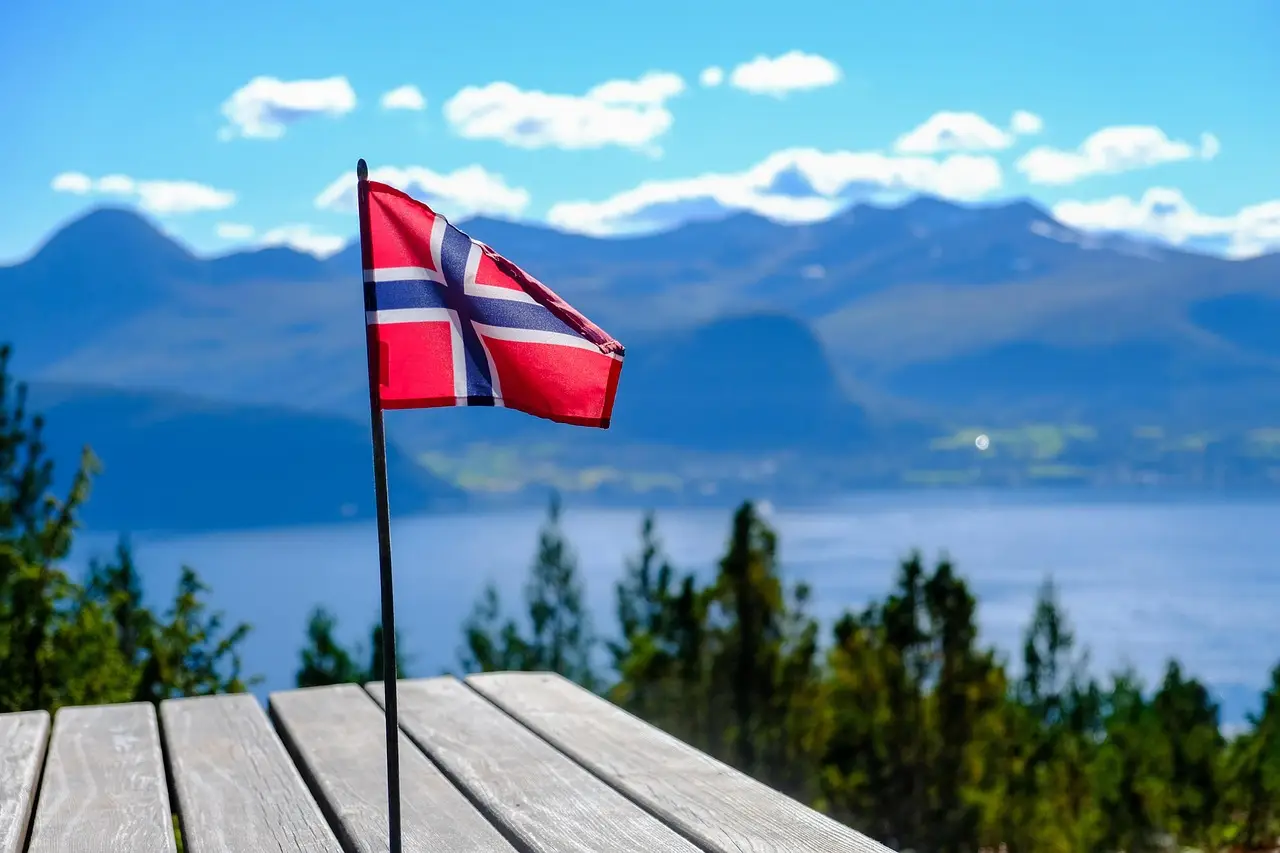
Norway's government proposed Tuesday to move salmon farming out of its fjords and onto the open sea, targeting three new zones in the North and Norwegian seas where deeper water could curb a growing environmental crisis.
The stakes are enormous. Fish products are Norway's biggest export after oil and gas, and seafood exports hit a record 181.5 billion kroner — nearly $19 billion — in 2025. Farmed fish accounted for around $14 billion of that.
Why move the farms at all?
The problem is the way salmon are currently raised. Fish are packed into coastal cages, and those crowded conditions almost always trigger outbreaks of sea lice. Treating the parasites often requires chemicals dumped into the water.
The lice don't stay put. They spread to wild salmon, whose numbers in Norwegian rivers and waterways have plunged in recent years.
There's a second pollution problem, too. Excess excrement and nutrients from the pens build up in fjord water. That feeds runaway plant and algae growth, which strips oxygen from the sea and threatens other fish.
Farming in deeper, more exposed water would dilute both problems. That's the theory behind the government's plan to open three offshore zones.
What did the prime minister say?
Prime Minister Jonas Gahr Store framed the move as an economic opportunity, not just an environmental fix. "Pisciculture on the sea could be a significant contributor to value creation along our coasts in the coming years," he said in a statement.
Pisciculture is simply fish farming — raising fish in captivity for food rather than catching them in the wild.
Does the science back it up?
Partly, and it's preliminary. A study published last month by Norway's marine research institute found that placing farms farther from the coast can significantly reduce sea lice infestations.
But the same study can't erase the physics of the open ocean. Harsher weather conditions offshore mean production would likely be more complex and more expensive than fjord-based farming. The government proposal doesn't spell out how the industry will absorb those costs.
The sea lice evidence also comes from a single recent study, and the offshore zones remain a proposal, not law. It's too early to say whether wild salmon stocks will actually recover.
Who wins and who waits?
Coastal communities stand to gain if new offshore jobs follow the new zones. The industry gets a path to keep growing without the reputational damage of lice outbreaks and chemical treatments. Wild salmon, in theory, get relief from parasite pressure near the coast.
The losers, at least short term, are costs. Offshore platforms must survive North Sea storms that fjord pens never face, and nobody has proven the economics at scale yet.
For now, the proposal is a starting gun. Norway has decided its salmon industry's future lies farther from shore; the hard engineering and the price tags come next.
The bottom line: Norway is betting roughly $14 billion in annual farmed-fish revenue that the open sea can fix what the fjords couldn't.
via phys.org/rss-feed/ (Source)
More from Elena Vasquez
Show full bio
Correspondent covering money, funding and market shifts around general science news at SciBeat.
503 articles
Nearby plates
- Microalgae Fully Replace Fishmeal and Fish Oil in Trout Feed
- 35 Years of Data Reveal How Warming Is Rewiring the Marine Food Web
- North Atlantic Right Whales Fall to 382, Reversing Recent Gains
- MIT's Water-Resistant Microneedles Could Vaccinate Fish Weighing Just 1 Gram
- Half the Groundwater Sustaining US Produce Isn't Coming Back