Plate Nº 32 · recorded November 13, 2026
Earth & ClimateReported finding
35 Years of Data Reveal How Warming Is Rewiring the Marine Food Web
Combining 35 years of microscope records with 11 years of eDNA, Plymouth scientists show warming-driven nutrient loss is favoring small-particle feeders among zooplankton.
By Nathan Brooks4 min read861 words
In brief
- PML combined 35 years of zooplankton microscopy records with 11 years of eDNA data from Station L4, 11 km south of Plymouth
- The study appears in Communications Biology (DOI: 10.1038/s42003-026-10901-w)
- Warming-driven nutrient decline favors small phytoplankton and zooplankton that filter tiny particles
- Plant-like plankton produce more than 50% of Earth's oxygen
- eDNA showed meroplankton increases are driven by soft-sediment species, not human-made structures
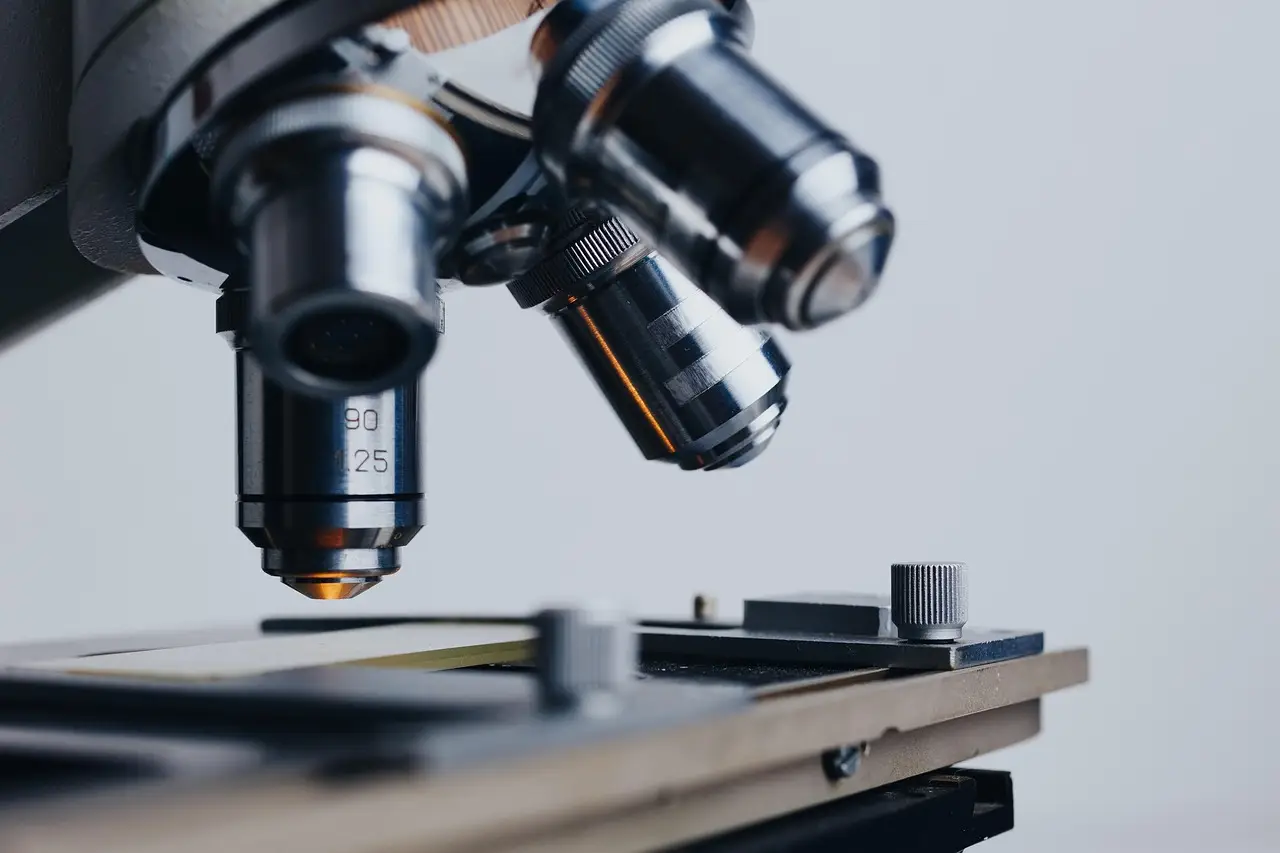
Thirty-five years of records, combined with 11 years of genetic data, have finally revealed what's driving a decades-long shake-up at the base of the UK's marine food web. The answer, according to Plymouth Marine Laboratory (PML), comes down to how plankton feed.
The study, published in Communications Biology, shows that climatic warming is reducing nutrient availability in UK coastal waters. That favors smaller plant-like plankton, and the "winners" among zooplankton—the tiny animals that eat them—are the species that can efficiently filter and survive on very small particles.
It's the first time scientists have pinned down the exact mechanisms behind such sweeping shifts, something made possible only by combining two long-term datasets.
Why does the plankton shift matter?
Plant-like plankton—phytoplankton and mixoplankton—photosynthesize, producing more than 50% of Earth's oxygen while absorbing and locking away carbon. Zooplankton, sometimes called the "cows of the sea," convert that carbon into food for fish and everything above them in the chain.
For decades, scientists have watched key zooplankton groups decline across parts of the northeast Atlantic, especially copepods. Because zooplankton sit so low in the chain, their declines are projected to amplify into larger losses among fish, marine mammals and seabirds—along with commercially important fish stocks and the communities that depend on them.
Who are the winners and losers?
The research, led by PML's Dr. Karen Tait, found a remarkable correlation between feeding style and survival:
- Losers: suspension-feeding copepods and omnivorous grazers that rely on relatively large phytoplankton
- Winners: fine filter feeders capable of exploiting much smaller particles
The pattern mirrors long-term changes at Station L4, a monitoring site roughly six nautical miles (11 kilometers) south of Plymouth. Declining nutrients there have favored smaller phytoplankton and mixoplankton, effectively reorganizing the ecosystem from the bottom up.
Tait, a microbial ecologist and lead author, said: "Our findings suggest that changes in the smallest components of the food web are cascading upwards and influencing which zooplankton thrive—and which decline. The 'winning' and 'losing' groups are defined mainly by their feeding method."
The mechanism works through the water column itself. As the ocean warms, it becomes more strongly stratified—layered—so nutrients from deeper water reach surface phytoplankton less easily. Smaller phytoplankton cope better with those limited nutrients, changing the menu for zooplankton.
"Plankton are often described as 'sentinels of change'—and act as an early warning sign to us of things to come," Tait added. "This shift could have far-reaching consequences: reducing the quality of food available to marine life, affecting fish size and populations, changing fisheries productivity, and even altering how much carbon sinks into the deep ocean."
What did eDNA add to the picture?
Environmental DNA, or eDNA, lets scientists detect organisms through genetic traces they leave behind—skin cells, fecal matter, reproductive material or even the bodies of small animals. Tait's team combined 35 years of traditional microscope records with eDNA data from seawater samples collected since 2012, all through PML's Western Channel Observatory.
The study marks one of the most comprehensive comparisons of traditional and molecular monitoring ever undertaken. Each method has clear strengths.
Microscopy counts individual organisms across the whole water column, surface to seafloor, and its long history suits climate-relevant timescales. "Only through PML's 35-year zooplankton data set have we been able to distinguish short-term variability from genuine ecological change," Tait said.
eDNA, meanwhile, offers sharper identification. Its biggest payoff came with meroplankton—the young, drifting stages of animals such as crabs, lobsters, worms, corals, octopuses and fish. These are hard to identify under a microscope and often lumped into broad categories. Genetic analysis identified them down to class, order, family and sometimes genus level, revealing a diverse cast including polychaete worms, sea squirts, shellfish, sea urchins, brittle stars and ribbon worms.
Co-author Angus Atkinson MBE, head of the Western Channel Observatory, said the eDNA showed for the first time that the meroplankton increase was driven by inhabitants of soft sediments, not by barnacles and bryozoans attached to hard surfaces. "This argues against the idea that increases in human-made structures in the sea are responsible for meroplankton increases, and adds to the evidence that we are instead seeing the ramifications of wider climate change impacts on the water column," he said.
eDNA does have limits: it detects sequences, not headcounts, so it can't match microscopy for population numbers.
What's the bigger message?
For co-author Pennie Lindeque, head of PML's Marine Ecology and Society group, the changes are personal. The copepod Calanus helgolandicus, once dominant in local seas, is now losing ground. "What we are witnessing is not simply a change in species composition, but the restructuring of the marine food web in response to climate change," she said.
Tait concluded: "eDNA doesn't compete with traditional monitoring; it enhances it. But the message I want to drive home is, this isn't just a story about eDNA and microscopy. It's a story about rapid ecosystem change, driven by climate change, and eDNA helped us finally understand what's driving it."
via phys.org/rss-feed/ (Source)
More from Nathan Brooks
Show full bio
Market editor covering companies, deals and strategy in general science news at SciBeat.
330 articles