Recorded November 22, 2026
Neuroscience & MindReported finding
PTSD brains carry distinct chemical marks, 302-brain study finds
A study of 302 donated brains found PTSD-linked methylation patterns in the prefrontal cortex that differ from both healthy brains and major depression, though cause and effect remain unclear.
By James Calloway3 min read649 words
In brief
- Study analyzed DNA methylation in 302 donated brains: 101 PTSD, 101 major depressive disorder, 100 healthy controls
- Published Nov. 20 in Cell Reports; PTSD methylation differences concentrated in the prefrontal cortex, depression's in the amygdala
- PTSD methylation patterns varied by sex, ethnicity and age at trauma; depression affected the same genes across regions
- Substance use, a known cause of methylation change, was not controlled for as a confounding factor
- Findings cannot yet diagnose PTSD; researchers hope future blood tests could link brain changes to measurable markers
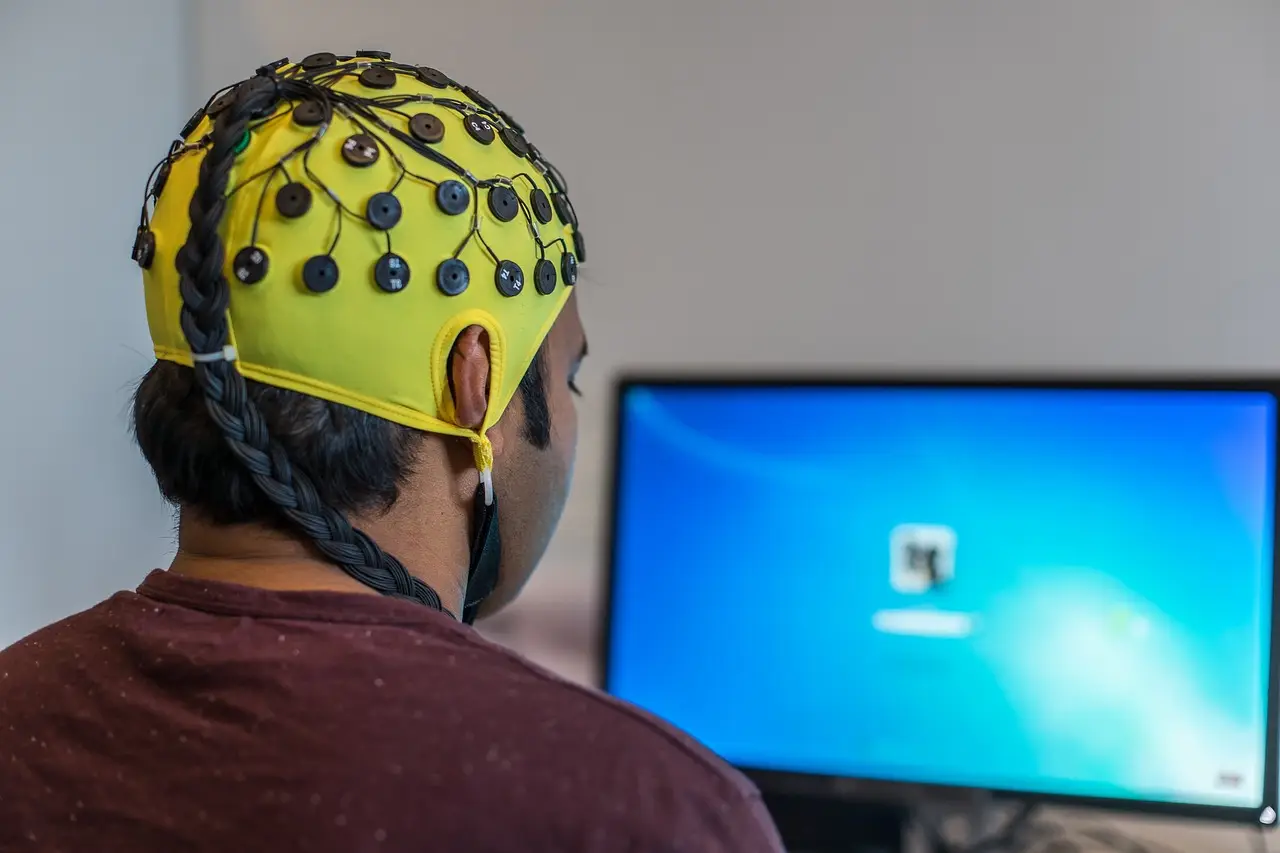
Scientists have found unique molecular marks in the brains of people with post-traumatic stress disorder (PTSD) — marks that differ both from healthy brains and from the brains of people with major depression. The study, published Friday, Nov. 20 in the journal Cell Reports, examined DNA methylation in 302 donated brains: 101 from people diagnosed with PTSD, 101 from people with major depressive disorder, and 100 from people with no diagnosed psychiatric disorders. The researchers also had access to the donors' medical records.
The differences matter because of how epigenetics works. Our environment and experiences don't rewrite the genetic code itself; instead, they trigger epigenetic changes — chemical attachments to DNA that alter its structure and change which genes can switch on. One such change, methylation, can act like a "dimmer switch" for genes, dialing their activity up or down, or blocking them entirely.
"These epigenetic features of the brain are important for shaping the way the brain functions," study co-author Frances Champagne, a psychologist at the University of Texas at Austin, told Live Science. "This can give us some insight into why individuals with PTSD develop PTSD, or how [their brains] are different from a healthy brain."
Which brain regions showed the differences?
The team focused on three regions with distinct jobs:
- The prefrontal cortex, which handles planning and decision-making
- The amygdala, a major hub for emotional processing
- The hippocampus, which is key for memory and learning
Compared with healthy brains, PTSD brains showed different methylation patterns in the prefrontal cortex in particular. Depression told a different story: there, the amygdala stood out as the region with distinct methylation. The two conditions also diverged in another way. In depression, the methylation differences tended to hit the same set of genes across different brain regions. PTSD did not. It showed more inconsistency in which specific genes were involved. The PTSD patterns also varied with patients' sex, ethnicity, and the age at which they experienced trauma.
"The goal of our study was to look at the epigenetics of the PTSD brain and ask how [it] is different from that of an individual who does not have PTSD," Champagne said, "or who comparatively has another diagnosis, like major depressive disorder."
What does this change for diagnosis?
Right now, nothing. The findings cannot be used to diagnose PTSD. But Seyma Katrinli, an investigator in the Grady Trauma Project at Emory University School of Medicine, who was not involved in the study, called the results a valuable resource. Down the line, she said, this line of research could let scientists correlate methylation changes measurable in blood with changes in the brain — and blood tests could then help guide diagnosis and treatment of PTSD. That's a promise with a long road attached.
What the study can't tell us
The limitations deserve their own billing. Because the scientists analyzed postmortem brains, they relied on medical reports rather than assessing the study subjects directly. Both PTSD and major depression are associated with substance use, and substance use itself causes DNA methylation — a potential confounding factor the study did not account for.
There's a bigger gap, too. Nobody can yet say what triggered the observed methylation differences. They could be a consequence of PTSD, a pre-existing risk factor for it, or a downstream effect of other things that co-occur with the disorder. The study design cannot distinguish among those possibilities.
Champagne framed the work as groundwork rather than a breakthrough. The research sets the stage to "help us ask better questions," she said, and her team now plans to investigate the factors that may be driving variation within PTSD — including sex, the timing of traumatic experiences, and history of substance use.
"It's a very exciting foray into epigenetic profiling in the brain," she said. Exciting, yes. But preliminary — and the caveats here are not footnotes. They're the story.
via livescience.com/feeds/news (Source)
More from James Calloway
Show full bio
Staff writer covering regulation, policy and their impact on general science news at SciBeat.
570 articles
Nearby plates
- Childhood Stress May Leave a Molecular 'Scar' That Reshapes the Adult Brain
- Scientists Program Lifelong Stress Sensitivity in Mice With One Epigenetic Tag
- Jumping Genes May Explain Why Big Dogs Age Faster and Die Younger
- One Patient, One Procedure: Right Amygdala Tied to PTSD
- Common Genes Carry Nearly Triple the Alzheimer's Risk We Thought