Recorded November 27, 2026
Health & Medicine ResearchReported finding
Retatrutide Beat Ozempic, Doubling Weight Loss in 80-Week Trial
In an 80-week Phase 3 trial of 1,298 adults with type 2 diabetes, Lilly's retatrutide cut 47 pounds on average, beating Ozempic's 21 — but side effects pushed nearly 8% to quit.
By Elena Vasquez4 min read806 words
In brief
- Retatrutide produced 47 pounds (21.5 kg) of average weight loss over 80 weeks, versus 21 pounds (9.5 kg) for the highest Ozempic dose.
- The Phase 3 trial enrolled 1,298 adults with type 2 diabetes; retatrutide cut A1C by 2.2 percentage points versus 1.8 for Ozempic.
- 7.9% on the highest retatrutide dose quit due to side effects, compared with 2.7% on Ozempic.
- Lilly plans to seek US regulatory approval in 2027; full trial results are not yet peer-reviewed.
- A separate Phase 3 study found retatrutide produced up to 25% body weight loss in adults with obesity, comparable to some bariatric surgeries.
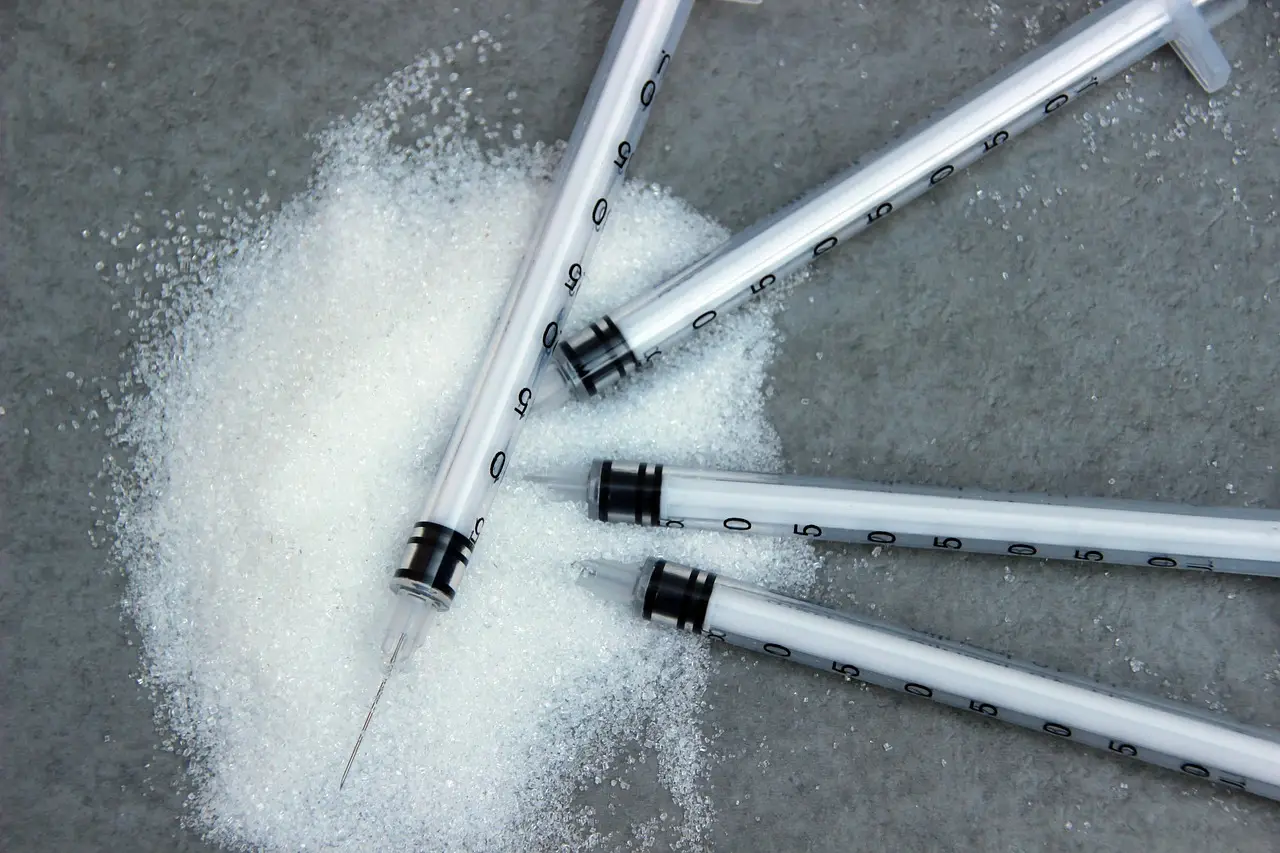
Patients on the experimental drug retatrutide lost an average of 47 pounds (21.5 kilograms) over 80 weeks — more than double the 21 pounds (9.5 kilograms) shed by those taking the highest approved diabetes dose of Ozempic, Eli Lilly's first head-to-head Phase 3 trial has shown.
The trial, involving 1,298 adults with type 2 diabetes, also found retatrutide improved blood sugar control and several heart-related measures. But the drug caused more side effects, drove more participants to quit treatment, and remains unapproved. Lilly plans to seek US regulatory approval in 2027, according to Reuters.
In short: a more powerful generation of weight loss drugs appears to be closing in, with real caveats attached.
What did the trial actually find?
Lilly enrolled 1,298 adults whose existing medications were not adequately controlling their blood sugar. Researchers randomly assigned participants to weekly injections of either 9 or 12 milligrams of retatrutide, or 2 milligrams of Ozempic — the highest dose approved for diabetes.
The company shared the results of the trial, the first late-stage study directly comparing retatrutide with another drug, just last month.
Key numbers after 80 weeks of treatment:
- Weight loss: 47 pounds (21.5 kg) on the highest retatrutide dose versus 21 pounds (9.5 kg) on the highest Ozempic dose.
- Blood sugar: both retatrutide doses cut hemoglobin A1C — a measure of average blood sugar over the preceding two to three months — by 2.2 percentage points, versus 1.8 points for Ozempic.
- Cardiovascular markers: retatrutide produced greater improvements in blood pressure and in certain measures of cholesterol and other fats circulating in the blood.
"Based on these results and those from across our Phase 3 program, we believe retatrutide, if approved, could shift the treatment paradigm for people living with type 2 diabetes, obesity and related cardiometabolic conditions," said Kenneth Custer, president of Lilly Cardiometabolic Health, in the company's press release.
The takeaway: on the numbers Lilly released, retatrutide outperformed Ozempic on weight, sugar and several metabolic markers at the same time.
How does one drug beat another at weight loss?
The mechanism comes down to how many appetite and metabolism hormones each drug mimics. Semaglutide, the active ingredient in Ozempic and Wegovy, mimics a single naturally occurring hormone called GLP-1. That hormone stimulates insulin production when blood sugar rises, slows digestion, and helps people feel full.
Tirzepatide, sold as Mounjaro and Zepbound, goes one step further. It targets GLP-1 plus a second hormone, GIP, which improves both blood sugar control and weight loss.
Retatrutide targets GLP-1, GIP and a third hormone: glucagon. Besides regulating blood sugar, glucagon promotes the breakdown of stored fat and may increase the amount of energy the body burns. That three-pronged design has earned the drug the nicknames "triple G" and "King Kong" among weight loss drug enthusiasts.
The latest findings reinforce earlier results. In a separate Phase 3 study published in The New England Journal of Medicine, adults with obesity but without diabetes lost up to 25% of their body weight over 80 weeks on retatrutide — weight loss comparable to some forms of bariatric surgery.
A tougher test awaits. In a 2025 head-to-head trial, tirzepatide helped people with obesity lose 20.2% of their body weight, compared with 13.7% for semaglutide at doses approved for weight management. Lilly is now running its own trial pitting retatrutide against tirzepatide.
The takeaway: each added hormone target has so far bought more weight loss, and the next comparison will show whether that pattern holds.
What are the catches?
They're serious ones. The most common side effects across the trial were diarrhea, nausea, constipation and vomiting. Around 6.5% of participants on the highest retatrutide dose experienced dysesthesia — an unpleasant sensation that can manifest as tingling or burning skin — compared with 2.7% of those on Ozempic.
Dropout rates tell a similar story. Overall, 7.9% of participants receiving the highest retatrutide dose stopped treatment because of side effects, nearly triple the 2.7% who quit Ozempic for the same reason.
Long-term safety is an open question too. Semaglutide has established benefits beyond weight loss, including protection against serious kidney complications. Whether retatrutide offers comparable or greater protection remains unknown.
Lilly has not yet published the full results of the head-to-head trial in a peer-reviewed journal, so outside scientists have not had the chance to scrutinize the data.
There's also an existing gray market. An underground trade for retatrutide has already emerged, with online peptide vendors targeting bodybuilders and people seeking rapid weight loss. The US Food and Drug Administration has warned against buying such unapproved products.
The takeaway: more weight loss came with more side effects and more people giving up, and the strongest data hasn't faced peer review yet.
via zmescience.com (Source)
More from Elena Vasquez
Show full bio
Correspondent covering money, funding and market shifts around general science news at SciBeat.
659 articles
Nearby plates
- Retatrutide Succeeds in Two More Phase 3 Obesity Trials, Lilly Reports
- Retatrutide Delivers Up to 71.2 Lbs Weight Loss in Phase 3
- Lilly's Retatrutid Cuts Blood Sugar and Weight in First Phase 3 Trial
- Triple-Action Drug Retatrutide Delivers Major Weight Loss in Type 2 Diabetes
- Lilly to seek FDA approval for obesity drug retatrutide