Recorded November 19, 2026
Health & Medicine ResearchReported finding
Stem cell–derived vesicles delay diabetes in mice, UCLA study finds
Stem cell-derived vesicles reduced inflammatory immune activity and delayed diabetes in mice. A hydrogel released them near lymph nodes, and 55% of treated animals remained diabetes-free at day 90.
By Priya Raman4 min read803 words
In brief
- A 2026 UCLA study found that stem cell-derived extracellular vesicles delayed diabetes in mice.
- Two vesicle delivery conditions delayed diabetes onset compared with untreated controls.
- At day 90, 55% of mice receiving hydrogel-delivered vesicles remained diabetes-free.
- Three-dimensional stem-cell culture increased vesicle production 3.4-fold per million cells.
- Laboratory tests included mouse and human immune cells, but no people received the treatment.
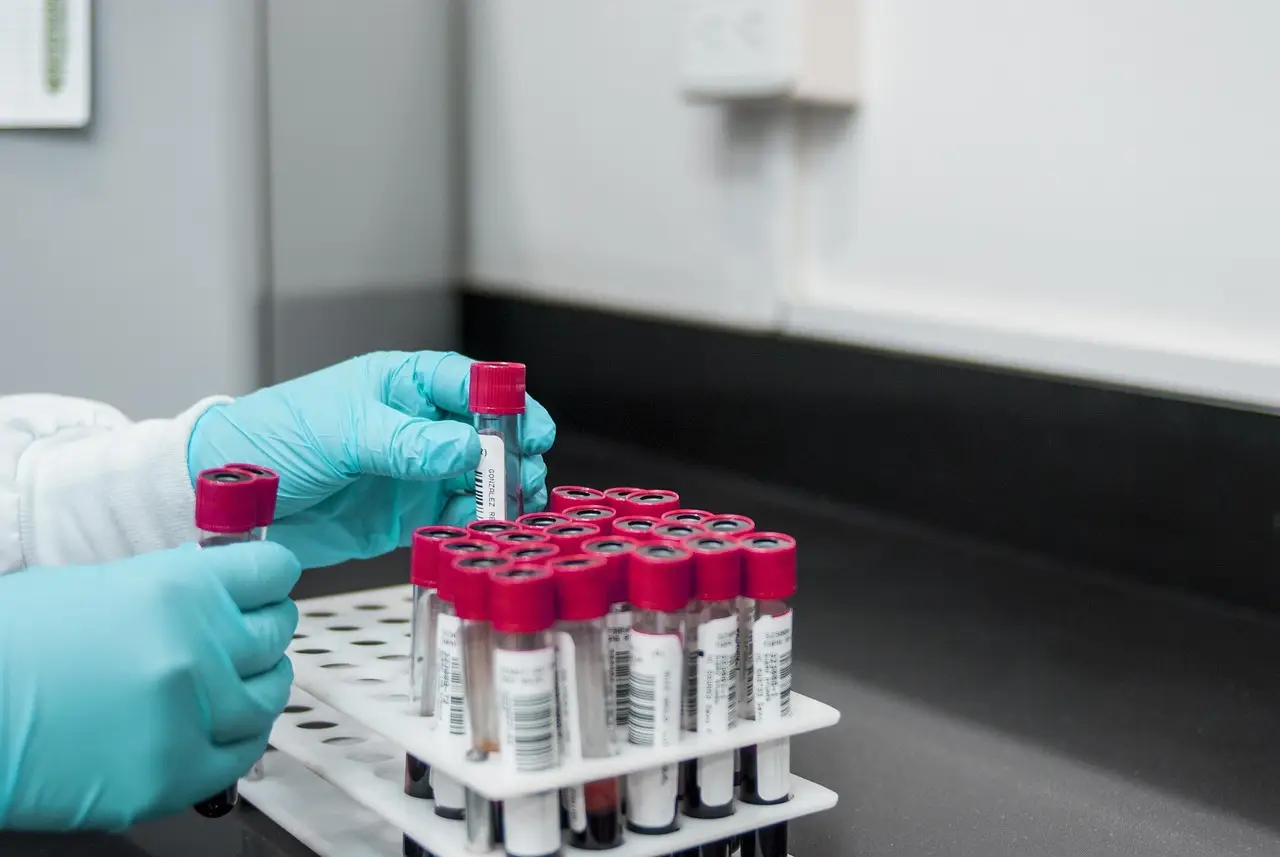
At the end of a 90-day experiment, 55% of mice receiving stem cell–derived extracellular vesicles in an injectable hydrogel remained diabetes-free, according to a 2026 UCLA study in Nature Nanotechnology.
What did the mouse study show?
The result came from a study in which researchers introduced immune cells that attack insulin-producing pancreatic cells into mice, then treated the animals with vesicles made from induced pluripotent stem cells (iPSCs).
In type 1 diabetes, the immune system mistakes those insulin-producing cells for foreign tissue and attacks them, leaving the body unable to regulate blood sugar properly. Insulin therapy helps manage the disease but does not stop the underlying immune attack.
The researchers tested extracellular vesicles alone and vesicles delivered through the hydrogel. Both conditions significantly delayed diabetes onset compared with untreated controls. At the end of the 90-day study, the hydrogel group had the reported 55% diabetes-free rate.
Mice in the hydrogel group also had more regulatory T cells in their lymph nodes and retained more insulin-producing pancreatic tissue than controls.
What did the vesicles do to immune cells?
Senior author Song Li is a professor of bioengineering at the UCLA Samueli School of Engineering and associate dean for graduate and professional education. Li also belongs to the UCLA Broad Stem Cell Research Center, UCLA Health Jonsson Comprehensive Cancer Center and California NanoSystems Institute.
The work drew on a feature of pregnancy: a mother’s immune system generally tolerates a developing embryo even though the embryo carries paternal genetic material that the maternal immune system could recognize as foreign.
“Nature has designed something amazing,” Li said. “If we can better understand how an embryo avoids rejection by the mother’s immune system, it could be very useful for a lot of immune-related diseases.”
Li’s team tested whether extracellular vesicles—tiny particles that nearly all cell types naturally release to communicate—might regulate immunity. The researchers compared vesicles from embryonic stem cells and iPSCs with those from mesenchymal stem cells, which scientists have widely studied for their ability to regulate inflammation.
Pluripotent stem cells share characteristics with cells found in early embryonic development. In laboratory experiments with mouse and human immune cells, vesicles from both pluripotent sources produced three notable effects:
- Stronger anti-inflammatory effects than vesicles from mesenchymal stem cells.
- Greater promotion of regulatory T cells, specialized immune cells that help prevent attacks on the body’s own tissues.
- A distinctive cargo of proteins, lipids (fat-related molecules) and genetic material that may contribute to immune regulation.
Why did the treatment use a hydrogel?
Free extracellular vesicles rapidly cleared from the injection site, so the team developed an injectable hydrogel, a material that releases particles gradually. It delivered the vesicles over several days rather than allowing them to disappear immediately.
The researchers injected the material beneath the skin near the mouse’s neck, placing the vesicles where they could interact with immune cells in nearby lymph nodes, small immune organs where cells gather. Those cells could then circulate throughout the body, potentially reducing harmful immune activity in the pancreas.
“One thing that surprised us was that a local injection could provide protection throughout the body,” Li said. “That’s the beauty of this approach.”
Can the method make enough vesicles?
Producing sufficient quantities of consistent, high-quality particles remains a major obstacle for extracellular vesicle treatments. Rather than growing stem cells on flat laboratory surfaces, the team grew them in three-dimensional clusters suspended in gently moving liquid.
This method increased vesicle production 3.4-fold per million cells while preserving important characteristics of the particles. Because iPSCs can multiply extensively in the laboratory, they could provide a more consistent and scalable source than adult stem cells, whose growth potential is more limited.
Could the approach help people?
The approach remains experimental. Researchers have not tested the treatment in people, and further studies must determine its safety and effectiveness in humans.
Li sees the greatest potential for people in the earlier stages of type 1 diabetes, when some insulin-producing cells remain functional. Regulating the immune cells at that stage may help preserve those remaining cells.
In more advanced disease, immune regulation alone would not replace pancreatic cells already lost. The treatment might instead help prevent immune rejection of transplanted insulin-producing cells.
The team hopes to test the approach in larger animal models and investigate appropriate dosing, long-term effectiveness and whether the treatment could weaken the body’s defenses against infection. Beyond diabetes, the findings could inform research into other autoimmune diseases and strategies for protecting transplanted cells from immune rejection.
Jana Zarubova and colleagues published “Pluripotent stem cell-derived extracellular vesicles for systemic immune modulation in diabetes therapy” in Nature Nanotechnology in 2026. The DOI is 10.1038/s41565-026-02320-z.
via phys.org/rss-feed/ (Source)
More from Priya Raman
Show full bio
Senior reporter covering people, launches and day-to-day practice in general science news at SciBeat.
549 articles
Nearby plates
- Implant Converts Blood Sugar Into Harmless Byproduct in Diabetes Breakthrough
- Electric Implant Cuts Blood Sugar Without Drugs — In Mice, So Far
- Why Diabetic Wounds Refuse to Heal: Immune Cells Stay Stuck
- Early Trial: Some Type 1 Diabetes Patients Off Insulin
- Mouse study: Wireless implant normalized blood sugar without insulin