Plate Nº 90 · recorded November 18, 2026
Earth & ClimateReported finding
Study: Acidic soil can worsen plant-root damage during extreme heat
A 2026 Nottingham study links neutral soil to better root growth under heat stress and suggests liming may reduce acid-related damage, though field results remain unreported.
By James Calloway4 min read789 words
In brief
- A 2026 University of Nottingham study found neutral soil favored root growth during heat stress, while acidic soil could worsen heat damage.
- Liming raises acidic soil's pH and may help roots grow and recover during extreme heat, but no farm-scale results are reported.
- The paper appeared in Nature Communications under DOI 10.1038/s41467-026-79399-4.
- U.K. temperatures exceeded 40°C (104°F) in July 2022 for the first time.
- 10 of the U.K.'s warmest years on record have occurred since 2000, according to the Met Office.
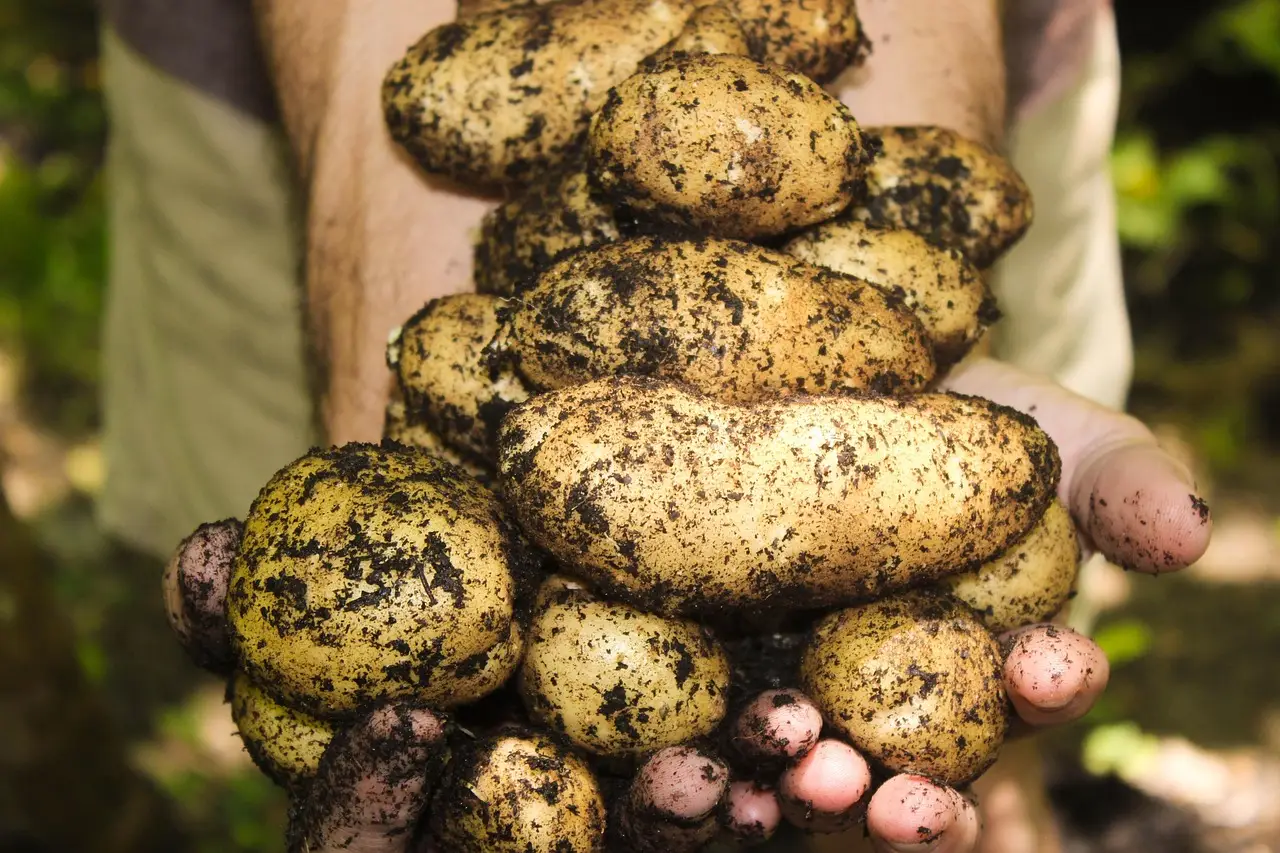
A 2026 study identifies a new mechanism linking soil pH to how plant roots respond to extreme heat, with neutral soil supporting better root growth than acidic soil.
University of Nottingham scientists report in Nature Communications that liming to improve a soil's pH-buffering capacity could help roots survive heat waves and maintain crop productivity under high temperatures. The result points to an existing farm practice, but only as a possible safeguard. A promising pathway, not a proven rescue.
The mechanism
Soil pH measures how acidic or alkaline soil is; pH-buffering capacity means the soil's resistance to chemical change. The researchers found that pH alters roots' response to high temperatures. Neutral soils favored better root growth during heat stress, while acidic soils could exacerbate heat damage.
That link matters because soil temperature closely follows air temperature. As air warms, soil can warm too, exposing roots to damaging conditions. Roots absorb water and nutrients, so injury can leave a plant less able to grow and produce food. A heat wave's effect on a crop may therefore depend on both its temperature and the soil beneath it.
Dr. Aneesh Lale, a research fellow in the School of Biosciences, said:
“One possible way to improve root health during periods of high heat could be through liming, the practice of adding agricultural lime to acidic soils to raise their pH. By reducing soil acidity and helping maintain a more stable pH, liming could create conditions that are more favorable for root growth and recovery during periods of extreme heat.”
The proposed mechanism is straightforward: reduce acidity, hold pH steadier, and give roots better conditions for growth and recovery. The caveat is immediate. The finding does not show that lime alone can neutralize extreme heat or prevent yield losses.
Dr. Rahul Bhosale, an associate professor of functional genomics in the same school, said: “The findings highlight soil management as a potentially valuable tool for helping agriculture adapt to climate change.” He also said farmers may be able to reduce some negative effects of extreme temperatures on crop growth through established practices such as liming.
Understanding soil properties, he added, will be critical for developing climate-resilient cropping systems, or farming methods designed to withstand climate stress.
What does this change for farmers?
The practical answer is modest: for acidic soil, pH management may become another tool for limiting some heat-related root damage. The material provided reports no farm-scale results and leaves out several practical details:
- Lime rate and application timing
- Crop species and growing locations
- Experimental design and field conditions
- Numerical effects on root growth and crop yield
Without those details, farmers cannot infer a prescription, and researchers still need to show whether the response holds across soils, crops and field settings. The study sharpens the hypothesis. It does not settle the harvest question.
A hotter backdrop, not proof of a field remedy
Countries worldwide are experiencing increasingly extreme temperatures. In the U.K., July 2022 marked the first time temperatures exceeded 40°C (104°F). More recently, the Met Office reported that 10 of the U.K.'s warmest years on record have occurred since 2000.
Those numbers explain the urgency. They do not measure the effect of lime. The research concerns a biological link between soil pH and root behavior; the climate statistics describe the conditions that make that link worth investigating. Conflating the two would overstate the evidence.
What remains unresolved
The paper is Rhizospheric pH mediated thermo-signalling coordinates root growth under heat stress, by Aneesh S. Lale and colleagues. Nature Communications published it in 2026. The DOI is 10.1038/s41467-026-79399-4. In plain English, the title says pH in the soil around roots helps coordinate heat-related signaling and root growth.
The provided summary does not describe the experimental design, plant species, number of lime treatments, or the size of any effect on root growth and crop productivity. It also does not say whether the work covers only controlled conditions or includes field trials. Readers therefore cannot judge from this summary whether the effect is large, consistent or commercially important.
The opening claim—liming could protect crops during heat waves—is consequently a research direction rather than a guarantee. The mechanism is credible enough to pursue, and liming already exists as an established soil-management practice. That combination justifies testing. It does not justify calling lime heat-proof.
The work opens new opportunities to study root biology as protection for crops in a warming world. The cautious takeaway is simple: acidic soil may make roots more vulnerable to heat, and raising pH may help. How much it helps, for which crops and soils, and under what field conditions remain unanswered.
via phys.org/rss-feed/ (Source)
More from James Calloway
Show full bio
Staff writer covering regulation, policy and their impact on general science news at SciBeat.
473 articles
Nearby plates
- Roots dominate soil-carbon change in hyper-arid afforestation
- COP1 protein turns heat into a signal for plant growth
- Nitrogen's Effect on Soil Respiration Flips Over Time, Study Finds
- U.S. Irrigation Avoids 6.86 Gigatons of Emissions via Spared Land
- Land-Based Climate Action Could Cut Carbon Price From $400 to $130