Plate Nº 30 · recorded November 16, 2026
Neuroscience & MindReported finding
Supernatural delusions drove 177 psychedelic-linked killings, studies find
Two studies of 626 psychedelic-linked homicides find supernatural delusions — demons, God, unreality — motivated many attacks, often against loved ones. Sentences varied sharply by country.
By Nathan Brooks4 min read878 words
In brief
- 626 psychedelic-linked homicides across 33 countries were documented between 1962 and July 2025.
- Delusions appeared in 28.3 percent of cases, with religious themes in about 45 percent of detailed cases.
- Reported delusion cases rose from 2 per year (1966-2010) to 5.9 per year (2011-2025).
- Average sentences: 26.4 years in the U.S., 13 in Australia, 6.9 in Canada.
- 88 percent of cases involved LSD; psilocybin users were about twice as likely to show delusions.
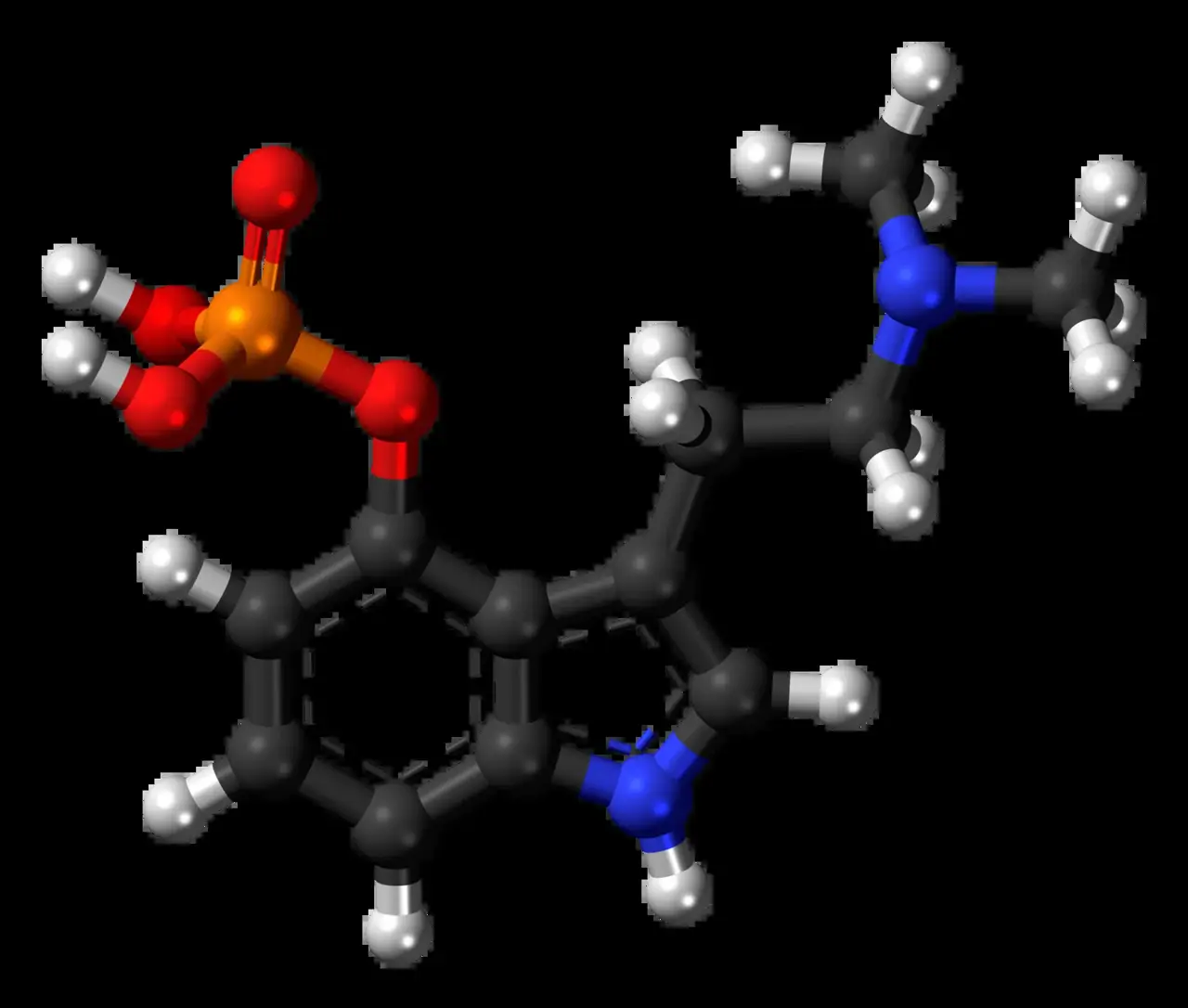
Sudden breaks with reality — often involving demons, the devil or God — motivated a large share of the 626 homicides committed worldwide under classic psychedelics between 1962 and July 2025, according to two new studies led by Jesse J. Norris, an associate professor of criminal justice at SUNY Fredonia.
The broader analysis, published in the Journal of Police and Criminal Psychology, searched court archives, academic journals, news databases and web engines in 31 languages. It found 626 homicide events involving 660 perpetrators across 33 countries. Roughly 86 percent of cases occurred in the United States or Canada, and about 88 percent involved LSD while 11 percent involved psilocybin, the active ingredient in "magic mushrooms."
A companion study in Psychiatry, Psychology and Law, co-authored with Dr. Brian Holoyda, chief psychiatrist at Contra Costa County Detention Health Services in California, profiled 22 offenders in detail, from the United States, Canada, Australia and the United Kingdom.
How common are delusions in these killings?
Delusions — firmly held false beliefs that persist despite contrary evidence — appeared in 28.3 percent of cases, or 177 homicides. Reported cases rose from an average of two per year between 1966 and 2010 to 5.9 per year between 2011 and 2025, which Norris suggests may reflect wider use, larger doses or fuller reporting.
Among the 129 cases where sources detailed the delusions' content, religious themes showed up in roughly 45 percent. Specifically:
- About 23 percent involved perceived threats from demons or the devil.
- Roughly 9 percent involved beliefs about communicating with God.
- Six percent involved offenders claiming to be God or an angel.
- Another 20 percent centered on secular persecutory delusions — beliefs that others were plotting against them.
"I was surprised at how many psychedelic-intoxicated homicide offenders were experiencing vivid supernatural delusions that motivated their offenses," Norris told PsyPost. "Compared to other forms of psychosis, supernatural delusions might be more common in psychedelic-associated psychosis."
Countering an imagined human, animal or supernatural threat drove 52 percent of specified cases. Smaller shares involved obeying hallucinated commands to kill (9 percent) or attempting to "wake up" into normal reality.
Who were the victims?
Delusional offenders more than twice as often killed an intimate partner and nearly twice as often killed a friend or a parent, compared with non-delusional offenders. Parents accounted for 8.4 percent of all victims versus roughly 2 percent of homicides overall — meaning parents were about four times overrepresented. Many attacks targeted loved ones without any prior hostility.
Two findings ran against expectations. Offenders mixing psychedelics with alcohol, cannabis or other drugs — 58 percent of all cases — were roughly one-third less likely to show delusions than solo users, perhaps because mixed-drug killings more often involve alcohol-fueled impulsivity. And psilocybin-intoxicated offenders were about twice as likely to exhibit delusions as users of other psychedelics, a pattern Norris ties to a cultural trend toward very large mushroom doses.
About 14 percent of cases involved "overkill" — injuries far beyond what is fatal — and 15 percent of offenders reported amnesia. Neither difference reached statistical significance.
What happened in the 22 profiled cases?
The case profiles echoed the database, where only about 5 percent of offenders had a delusion-related psychiatric diagnosis, almost always assigned after arrest. Just one of the 22 had prior schizophrenia. At least four, possibly six, had experienced psychedelic-associated psychosis before yet took the drugs again.
One Canadian teen, experienced with large psilocybin doses, hallucinated his father turning into a werewolf. A British teenager on a synthetic psychedelic fatally stabbed a friend he perceived as a skull, believing the act would wake him from what he took to be a dream.
"Some of these offenders seemed genuinely surprised when they learned that their murders were real," Norris said.
Several killings unfolded at remote campsites or hiking trails, and accessible knives, guns or car keys heightened danger across nearly all 22 cases.
Sentences ranged from two years of juvenile probation to life imprisonment plus one California death sentence. U.S. offenders averaged 26.4 years, versus 13 in Australia and 6.9 in Canada — gaps that align with legal standards, since most U.S. states bar voluntary intoxication as an insanity defense, while Canada permits acquittals for unforeseeable drug-induced automatism. These comparisons, though, rest on a small, non-representative sample.
What are the limits and the takeaways?
The studies include no control group, so they cannot estimate overall risk. Six hundred twenty-six cases across six decades represent a tiny fraction of total psychedelic trips; a large international survey found only 0.2 percent of past-year mushroom users sought emergency care. Court and news records also omitted medical charts, dosages and drug tests, with nine in ten cases from English-speaking countries.
"We don't have any particular agenda that we're trying to promote through this research," Norris said, adding that psychedelics may also prevent some crime by easing psychological conditions.
His harm-reduction advice is concrete: users should avoid weapons and vehicles, be cautious about doses and mixing drugs, skip isolated wilderness settings, and seek immediate psychiatric care if delusions persist. People with any history of delusions, he stressed, should avoid psychedelics entirely. Norris says further projects on psychedelic-related crimes beyond homicides are already underway.
via psypost.org (Source)
More from Nathan Brooks
Show full bio
Market editor covering companies, deals and strategy in general science news at SciBeat.
393 articles
Nearby plates
- Major Review Links Cannabis Use to Higher Violence Risk
- McGill Launches Largest-Ever Psychedelics Study for Mental Health
- Florida mushroom contains both psilocybin and toxic amatoxins
- Single Magic Mushroom Dose Can Anatomically Change the Brain
- Short-Acting Psychedelic Tested Against Major Depression in Phase IIa Trial