Plate Nº 65 · recorded November 17, 2026
Neuroscience & MindReported finding
Tau buildup preceded subtle mood shifts in healthy older adults
Three analyses of 390 older adults suggest rising tau preceded mild depressive symptoms in cognitively healthy people, but the observational study cannot establish causation.
By Nathan Brooks5 min read1,073 words
In brief
- The cohort included 390 adults: 197 women and 193 men.
- Among 226 cognitively healthy participants, faster tau accumulation predicted steeper depressive symptoms; the pattern was not significant in impaired participants.
- Follow-up averaged roughly three years, with at least two PET brain scans per participant.
- Estimated tau onset averaged 67.6 years in the impaired group versus 72.2 in the cognitively healthy group.
- About 59% of cognitively healthy participants were amyloid-negative when the study began.
By Nathan Brooks
Among 390 older adults followed for about three years, faster tau buildup preceded steeper depressive symptoms only in cognitively healthy participants, a Journal of Neuroscience study reports. The observational study could not establish causation; the pattern was not significant in people with cognitive impairment or dementia.
Why does the timing matter?
Alzheimer’s involves amyloid-beta plaques outside brain cells and misfolded tau tangles inside neurons. Subtle mood changes may precede memory loss, and symptoms below a clinical depression threshold have been linked to higher later dementia risk.
A 2017 pilot linked more tau in memory-related areas with more depressive symptoms at one visit. In 2025, lead author Teodora Z. Markova and co-author Anne S. Berry linked worsening mood to amygdala tau in shared Alzheimer’s Disease Neuroimaging Initiative data, but could not establish direction.
Markova said: “A significant change in mood or a new neuropsychiatric symptom in later life could offer meaningful information about what’s going on in your brain.” Alongside other biomarkers, tracking mood could help identify elevated Alzheimer’s risk, she said. The effects were small and subtle, but remained detectable with tau PET imaging.
How did researchers test the sequence?
Records covered 390 adults: 197 women and 193 men. At baseline, 226 had normal cognition; 164 had mild cognitive impairment, which does not yet interfere with daily independence, or Alzheimer’s dementia.
None had clinical depression; all scored 6 or lower on the 15-point Geriatric Depression Scale, a yes-or-no mood and life-satisfaction questionnaire. Over roughly three years, each completed at least two positron emission tomography, or PET, brain scans, depression questionnaires and memory tests.
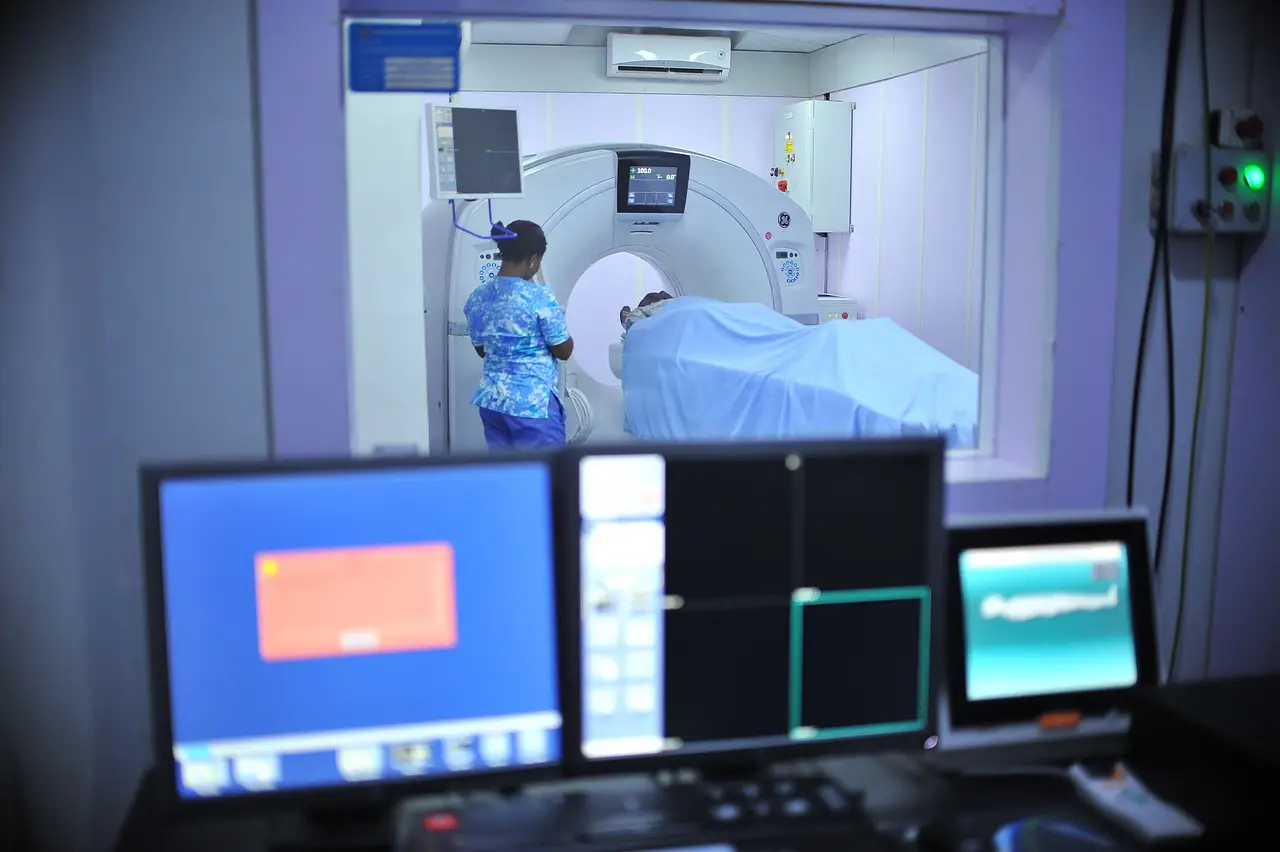
Each tau PET scan used a small injection of radioactive tracer that binds brain tangles. Because tau spreads in stages, researchers tracked the most advanced region where the first scan detected tau. Of 226 cognitively normal participants, 194 had no detectable tau anywhere initially, so they followed the earliest affected region.
Separate scans assessed amyloid plaques; models also considered APOE ε4, the strongest known late-onset Alzheimer’s risk variant. The team expected a two-way loop between tau and depression, with tau exerting the larger effect.
Which changes came first?
Impaired participants started with more tau and depression, and both rose faster than in healthy participants. Average depression scores were 2.1 and 0.8, respectively.
Among healthy participants, faster tau increases accompanied steeper mood worsening. The reverse was not significant: worsening mood did not predict faster tau. A simpler test of starting tau versus later mood, or vice versa, found no significant association in either group.
Amyloid plaques and APOE ε4 predicted higher starting tau, especially among impaired participants. Neither predicted initial depression scores or changes over time.
The third analysis used continuous time structural equation modeling, which estimates how one changing variable predicts another across uneven visit gaps. It excluded 95 healthy and 26 impaired participants with flat scores, leaving 131 cognitively healthy adults.
Higher tau at one scan then predicted higher later depression. Depression changes did not predict later tau, and neither pathway was significant in impaired participants. A check using objective memory scores showed higher tau predicted later memory decline in both groups.
Researchers did not estimate how the association’s strength changed between visits because each person had only a few scans. Full statistical outputs are public on the Open Science Framework.
The final algorithm estimated when participants first had detectable tau in the entorhinal cortex, an early region near the hippocampus. Among 62 cognitively normal and 96 impaired participants with a positive scan, onset averaged 67.6 years in the impaired group, 4.5 years earlier than 72.2 in the healthy group.
Healthy participants who had been tau-positive longer showed steeper depressive increases. That relationship was not statistically significant in the impaired group.
What might explain the pattern?
Rate-of-change and onset results survived adjustment for amyloid plaques and APOE ε4. Continuous-time models omitted these and other background factors to remain workable. Because about 59% of cognitively normal participants were amyloid-negative initially, the authors propose that early tau can contribute to emerging depressive symptoms independently of amyloid plaques.
One proposed pathway is that tau damages deep brain regions producing serotonin, a mood-regulating chemical. Another possibility involves emotion hubs such as the amygdala, or brainstem clusters supplying mood chemicals. The study tested neither mechanism, and tau PET cannot measure brainstem tau.
Markova said: “I was particularly surprised that we only observed significant tau-depressive symptom effects in the cognitively unimpaired sample and not in the MCI/AD dementia sample.” Understanding relationships after diagnosis may require “different, more targeted approaches,” she said.
Markova wants longer follow-up as participants develop depression or Alzheimer’s dementia. This could identify factors that increase risk or support resilience.
What could change the conclusion?
Researchers removed the depression-scale question, “Do you feel you have more problems with memory than most people?” The tau-mood link in healthy participants then lost statistical significance, and the continuous-time model could not produce stable estimates.
In impaired participants, slower 14-item mood increases were unexpectedly associated with faster tau buildup. The narrower score range may have hidden small effects. Awareness of subtle cognitive decline may also influence both mood and subjective memory complaints, potentially overlapping expressions of pathology.
How strong is the evidence?
Because the study was observational, it could show which change tended to come first, not that tau directly caused depression. With two to three scans per person on average, timing estimates were rough, and effects were small.
The study excluded clinical depression at entry and mostly included very mild symptoms, so it cannot rule out severe depression accelerating tau spread. Animal studies of chronic stress have suggested such a loop. More than 40% of cognitively healthy participants had flat mood scores and were dropped from the continuous-time analysis, restricting it to adults whose mood changed.
Null results in impaired participants may reflect less reliable self-reports as memory and thinking decline. Behavioral symptoms and widespread brain changes may also obscure tau’s influence.
Future studies could add caregiver ratings, smartphone mood check-ins and wearable sleep trackers in more racially and ethnically diverse populations, including people with clinical depression. The paper, “Tracking the Continuous Time Dynamics of Tau and Depressive Symptoms Across the Alzheimer’s Disease Continuum,” was authored by Markova, Margo B. Heston and Berry.
via psypost.org (Source)
More from Nathan Brooks
Show full bio
Market editor covering companies, deals and strategy in general science news at SciBeat.
456 articles
Nearby plates
- Alzheimer's Trials Boost Interest in Drugs That Target Tau
- Tau Spreads More Than Twice as Fast in Early-Onset Alzheimer's
- Blood marker rises 21 years before Alzheimer's diagnosis in Down syndrome
- Alzheimer's Blood Test May Also Detect Advanced CTE, Study Finds
- Alzheimer's Reshapes Brain Communication Before Symptoms Appear